
Collaborative Human-AI Systems
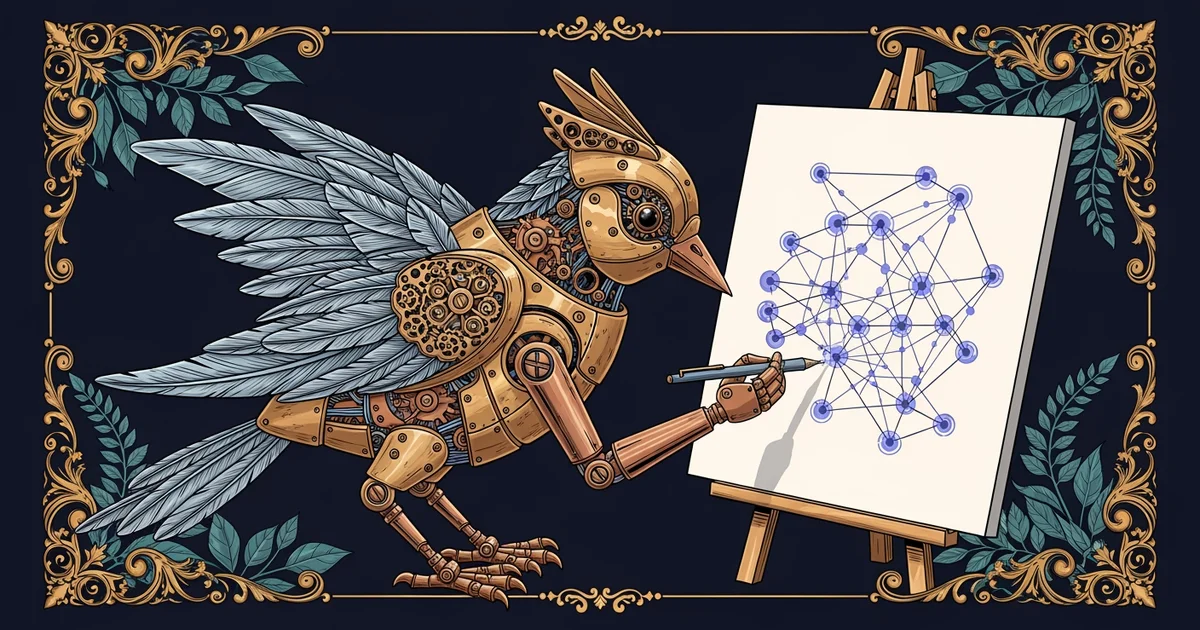
When a graphic designer uses a generative tool to iterate on logo concepts, they act as the director of a digital assistant. This specific scenario illustrates the Human-AI Collaboration model, where human intent guides machine speed. The designer provides the vision, while the computer provides the rapid variations. This partnership mirrors the division of labor found in modern creative studios. Like a master painter who employs apprentices to fill in background details, the designer delegates repetitive tasks to the software. This allows the human to focus on high-level aesthetic choices and emotional resonance. By leveraging the AI for execution, the designer manages the creative flow rather than performing every single brushstroke by hand.
Structuring The Creative Partnership
Effective workflows require clear boundaries between human judgment and machine processing capabilities. You must define which parts of a project benefit from algorithmic speed and which demand human nuance. In this collaborative system, the human serves as the architect of the final output. The machine acts as the engine that generates multiple paths based on that architecture. This is an evolution of the automated narrative design from Station 12, as it now demands active, real-time input from the user. You can organize these tasks by analyzing the unique strengths of both participants in the creative cycle.
Key term: Human-AI Collaboration — a workflow model where human oversight directs machine processing to achieve complex creative goals.
To build a balanced system, consider the following distribution of creative labor:
- The human partner sets the core constraints, defines the emotional tone, and makes the final aesthetic selections that align with the project goals.
- The AI partner processes vast datasets to suggest patterns, generates rapid variations of a theme, and handles the technical heavy lifting of rendering images.
- The feedback loop involves the human refining the AI parameters based on the initial output, which then forces the machine to adjust its next set of results.
Optimizing The Hybrid Workflow
Transitioning from manual creation to a hybrid model requires a shift in how you view your own role. You are no longer just a maker of things, but a curator of machine-generated possibilities. This change in perspective helps you manage the creative tension between your vision and the machine output. The following table outlines how to manage different stages of a project using this hybrid approach.
| Project Stage | Human Responsibility | AI Responsibility |
|---|---|---|
| Concept Phase | Defining core vision | Generating variations |
| Design Phase | Selecting best drafts | Rendering high detail |
| Review Phase | Final aesthetic edits | Suggesting improvements |
The diagram above shows the iterative nature of the partnership. The human vision drives the AI generation, which is then reviewed and either accepted or sent back for further refinement. This loop ensures that the final product remains grounded in human intent while benefiting from the speed of the computational system. By using this structured approach, you avoid the trap of letting the machine dictate the creative direction entirely. You remain the primary creative force while the machine acts as a highly efficient tool that expands your reach.
Maintaining this balance is vital for ensuring that the work retains its original purpose and emotional impact. If you rely too heavily on the machine, you risk losing the unique human perspective that defines true creative work. If you ignore the machine, you lose the efficiency that makes modern creative projects viable at scale. The goal is to find the sweet spot where your intuition guides the machine toward a better result than either could achieve alone.
True creative partnership happens when human intent provides the vision and machine processing provides the scale to realize that vision.
This model works well until the AI begins to struggle with subjective nuance, which raises the question of how we define originality in the future.