
Future Space Weather Resilience
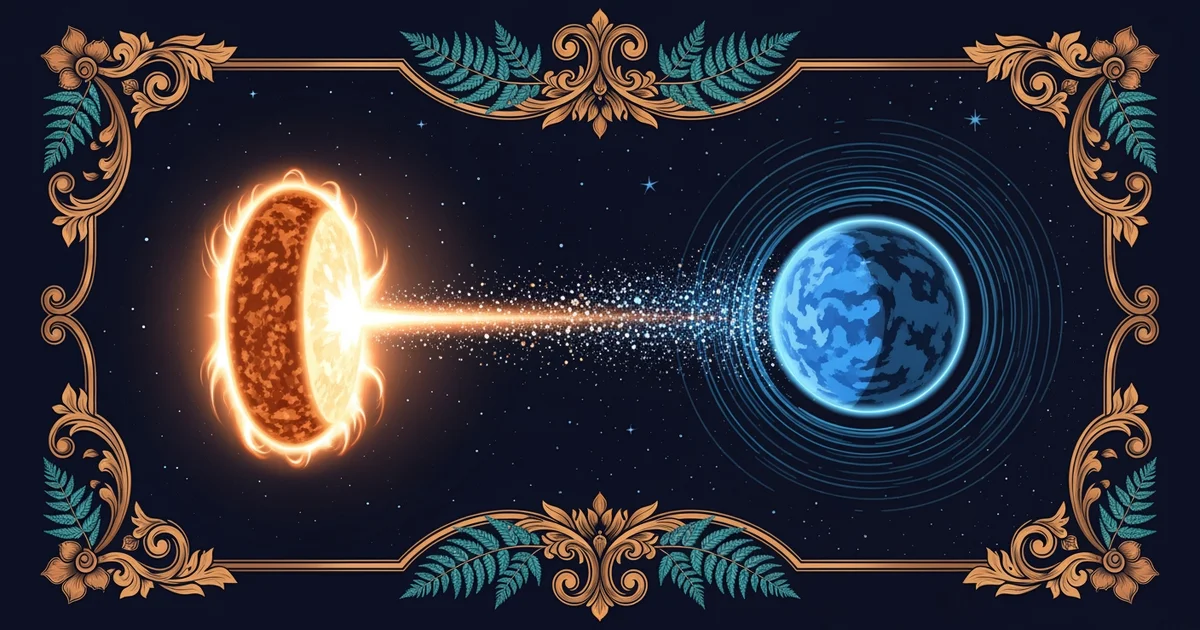
Modern society relies on a complex web of technology that remains vulnerable to the sun's volatile outbursts. Imagine a sudden storm that shuts down your power grid while you are halfway through a task. This is the reality when solar activity interacts with our fragile orbital and ground infrastructure. Future resilience requires us to treat space weather as a core risk to global stability. We must build systems that can withstand the intense magnetic energy flowing from our sun.
Protecting Critical Infrastructure Systems
To safeguard our world, engineers are developing new ways to harden the power grid against solar storms. The primary danger comes from geomagnetically induced currents which flow through long metal lines during solar events. These currents can overload transformers and cause widespread blackouts that last for many weeks or months. By installing specialized capacitors, we can block these harmful flows before they reach sensitive equipment. This strategy is like installing a surge protector on your home computer to stop a lightning strike. We must also upgrade our satellite fleets to ensure they can survive the intense radiation of a solar flare.
Key term: Geomagnetically induced currents — electrical surges caused by fluctuating magnetic fields that damage ground-based power systems and pipelines.
Strategies for Orbital Resilience
Our reliance on space-based assets creates a unique challenge for long-term safety and digital connectivity. Satellites orbiting Earth face constant bombardment from high-energy particles during active solar cycles. We must design hardware that can detect these threats and enter a safe mode automatically. This process involves powering down non-essential circuits to prevent permanent damage from electrical shorts or data corruption. If we build satellites with modular designs, we can replace damaged parts more easily in the future. Protecting these assets ensures that navigation, communication, and climate monitoring systems remain functional during major events.
| Strategy | Benefit | Primary Target |
|---|---|---|
| Hardening | Prevents failure | Power transformers |
| Redundancy | Maintains flow | Satellite networks |
| Forecasting | Provides warning | Emergency services |
We must also improve our ability to predict solar activity with greater precision and speed. The heliospheric monitoring network acts as our early warning system for incoming solar plasma clouds. By placing sensors at the Lagrange point, we gain vital minutes to prepare for a storm. These sensors measure the speed and magnetic orientation of incoming solar wind before it hits Earth. This data allows grid operators to reduce loads and protect their most vulnerable equipment from potential failure.
Key term: Heliospheric monitoring — the continuous observation of the solar environment to track plasma clouds moving toward our planet.
The Path Toward Global Stability
Resilience depends on global cooperation and the sharing of real-time data between nations and private companies. No single country can monitor the entire sun effectively on its own without global support. We need a unified approach to space weather that includes standardized protocols for industry responses. When a major storm approaches, every power provider must know exactly how to adjust their operations. This high level of coordination minimizes the risk of cascading failures that could impact millions of people. We are learning to live with a star that is both our source of life and a constant threat.
Our foundation question asked how solar activity impacts our modern world. We now see that the sun's violent behavior threatens our power grids and satellite networks. By investing in hardening and better forecasting, we can protect our technological way of life. Future survival depends on our ability to adapt to the sun's unpredictable and powerful nature. We must continue to study the sun to ensure our modern systems remain safe and reliable for generations to come.
Building a resilient future requires active infrastructure protection and global coordination to mitigate the impact of solar activity on our technology.
Understanding how to protect our systems from the sun is a vital skill for anyone interested in future space exploration and global security.