
Developing a Design Concept
You stare at a blank wall and feel the heavy pressure of making a choice that lasts for years. Designing a room is like building a complex engine where every single gear must turn in perfect harmony to function.
Establishing the Foundation of Your Vision
Starting a design process requires you to define a clear concept that acts as your guiding North Star. This concept is the central idea that unites your furniture, color choices, and lighting into one cohesive story. You might begin by gathering images that evoke specific feelings or memories of comfort and utility. Think about how your space must serve your daily life while reflecting your unique identity. When you define your goals early, you avoid the common mistake of buying items that look good alone but clash in a shared environment. A strong plan acts like a budget for your creative energy, ensuring you spend time only on elements that truly support your vision. By connecting your functional needs with your aesthetic desires, you create a home that feels intentional rather than accidental.
Organizing Elements Through Visual Synthesis
Once you have your core idea, you must organize your thoughts into a mood board to see how pieces interact. A mood board is a visual collage that displays textures, colors, and shapes side by side for comparison. This tool helps you spot conflicts before you spend money on expensive furniture or paint. If you pick a bold rug, you can place it next to your fabric swatches to ensure they do not fight for attention. We can categorize the essential components of a room design into three distinct groups that help balance the overall look and feel of the space:
- The anchor pieces provide the structural base of the room, such as a sofa or a large table, which define how the area is used.
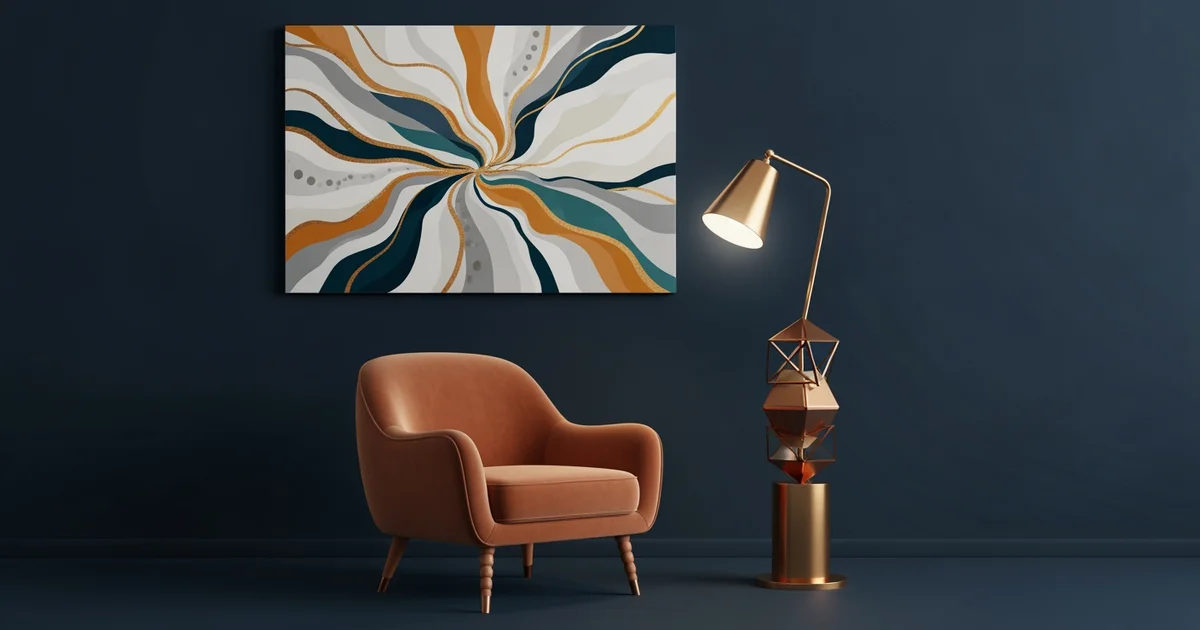
- The accent elements add personality and depth through smaller items like throw pillows, artwork, or decorative lamps that highlight your specific taste.
- The functional layers involve lighting and storage solutions that ensure the room remains practical for daily activities while maintaining a clean appearance.
Key term: Mood board — a physical or digital collection of images, materials, and colors used to visualize a design concept before execution.
To manage these elements effectively, consider the relationship between your items using the following table as a guide for your planning stage:
| Element Type | Primary Function | Design Impact |
|---|---|---|
| Anchor | Structural base | Defines room flow |
| Accent | Visual interest | Adds personal style |
| Functional | Daily utility | Improves room use |
By evaluating each item against these categories, you ensure that every choice serves a purpose in your final room layout. This systematic approach helps you reconcile your budget-friendly styling from previous lessons with your desire for a professional aesthetic. You might ask yourself if your chosen colors from earlier lessons actually support the mood you want to create in this specific room. Does the cold blue paint you selected harmonize with the warm wood furniture, or do they create a visual tension that disrupts the room's energy? This is the core challenge of synthesis. You are not just picking pretty things; you are solving a puzzle where the pieces must fit both logically and emotionally. If you can answer why every object belongs in your room, you have successfully developed a design concept that reflects your true identity and functional requirements.
Developing a design concept requires balancing personal identity with functional needs through the careful synthesis of anchor, accent, and utility layers.
Executing the final vision now depends on how well you follow your mood board during the actual installation phase.