
Lighting Design Strategies
Imagine you walk into a dimly lit room and struggle to find your keys on the table. You then flip a switch, and the space suddenly reveals its hidden potential through clear, bright light. Lighting design functions like the conductor of an orchestra, directing your eyes toward specific features while keeping others in the shadows. Without a thoughtful plan, even the most expensive furniture looks flat and uninviting to the eye. You must learn to layer your illumination to transform a basic room into a functional home sanctuary.
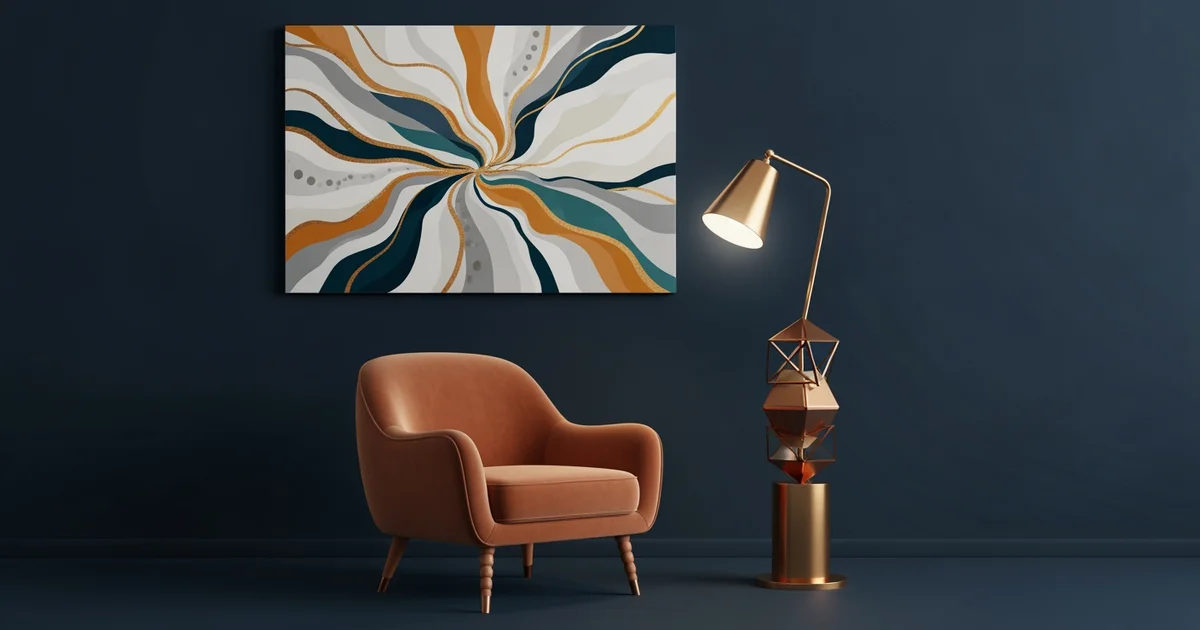
The Three Pillars of Lighting Design
Effective lighting design relies on three distinct layers that work together to balance your visual environment. You first establish ambient lighting, which acts as the general base layer for the entire room. This light fills the space evenly, allowing you to move safely without bumping into objects during the evening. Think of this layer like the foundation of a house; it provides the necessary support for everything else you add later. Without a solid ambient base, the room feels cold, disjointed, or difficult to navigate.
Once the base layer is set, you introduce task lighting to support your specific daily activities. This focused light helps you read a book, chop vegetables in the kitchen, or finish paperwork at your desk. You should position these lights close to the surface where the actual work happens to avoid straining your eyes. By concentrating brightness in small areas, you prevent the shadows that often occur when using only overhead lights. This layer ensures that your home supports your functional needs throughout the busy day.
Lighting layers serve different purposes, which you can see in the comparison below:
| Lighting Layer | Primary Purpose | Best Application | Typical Source |
|---|---|---|---|
| Ambient | General visibility | Entire room glow | Ceiling fixtures |
| Task | Focused activity | Reading or cooking | Desk or pendant |
| Accent | Visual interest | Highlighting art | Wall sconces |
Creating Depth Through Strategic Placement
After you establish your basic functional needs, you should focus on the aesthetic impact of your design choices. You use accent lighting to draw attention to textures, paintings, or architectural details that define your personal style. This technique adds depth to your walls, making a small room feel much larger and more dynamic. By carefully selecting which items to highlight, you dictate the mood and focus of the entire space. You are essentially painting with light to create a unique atmosphere that reflects your identity.
Key term: Layering — the practice of combining multiple light sources to create depth and flexibility within a single room.
Consider the analogy of a professional stage production to understand the importance of these three distinct lighting zones. If the stage manager only used one giant spotlight, the actors would look flat and lack any sense of physical presence. By adding side lights and backlights, the scene gains texture, drama, and a clear sense of distance for the audience. Your living room works the same way; you need multiple sources to create a rich, inviting environment. A single overhead light source will always fail to provide the warmth and character your home deserves.
When you plan your layout, remember that your needs change depending on the time of day or your current mood. You might want bright, clear light while working on a project, but prefer soft, warm tones for relaxing in the evening. Installing dimmers allows you to adjust the intensity of your lights to match these shifting requirements throughout the day. This flexibility turns a static room into a versatile space that adapts to your life. You gain total control over the environment by simply adjusting the brightness of your chosen light sources.
Effective lighting design requires balancing ambient, task, and accent layers to ensure your home is both functional and visually engaging.
The next Station introduces furniture arrangement logic, which determines how your lighting zones interact with the physical layout of your space.