
Minimalism vs Maximalism
Imagine walking into a room where every single surface is covered in colorful trinkets, patterned textiles, and layers of history. Now, contrast that image with a silent, empty space featuring only one sleek chair and a single piece of art on the wall. These two rooms represent the core tension between two primary design philosophies that shape our living environments. Choosing how to decorate a space is not just about personal taste, but about how we want our daily surroundings to feel and function. Understanding these approaches helps you decide which style aligns with your personal identity and your need for calm or stimulation.
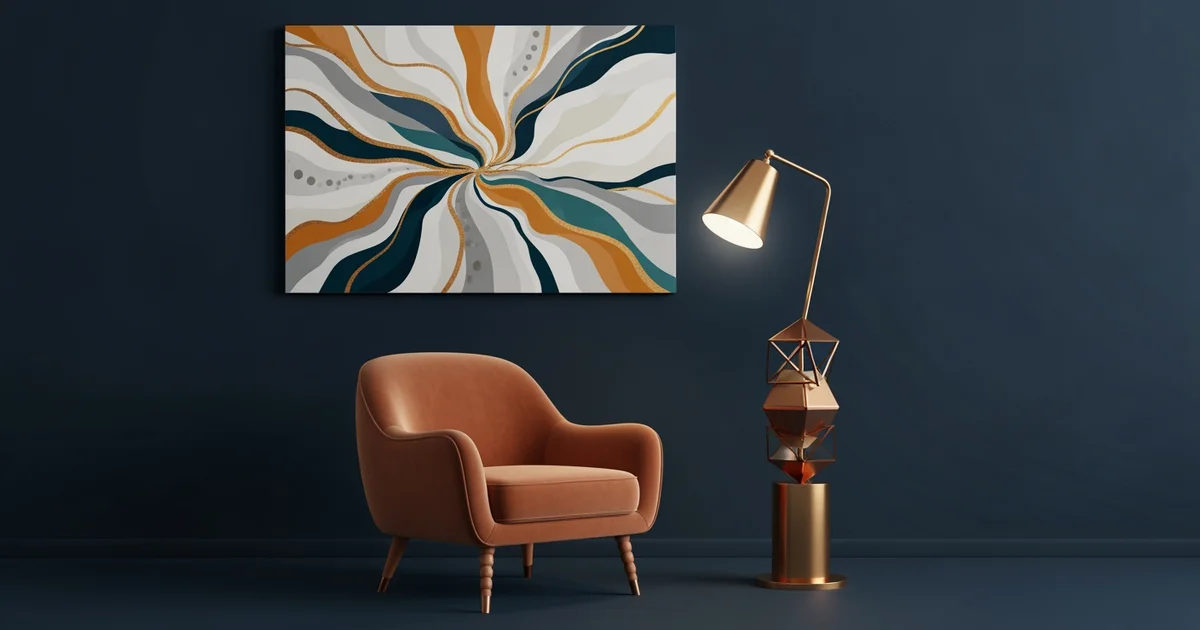
The Philosophy of Minimalist Design
When you embrace minimalism, you are choosing to strip away the unnecessary to highlight the essential. This design approach focuses on clean lines, neutral color palettes, and a deep respect for open space. By removing clutter, you allow the architecture of a room to breathe and become the main focus. Think of this style like a focused budget where you only spend money on things that provide genuine value. Every object in a minimalist home serves a specific purpose or brings a clear sense of peace. Because there are fewer distractions, your mind can often feel lighter, clearer, and more ready to handle the demands of your busy life.
Key term: Minimalism — a design philosophy that emphasizes simplicity, functionality, and the removal of excess items to create a calm living environment.
Minimalism is not about living with nothing, but about living with the right things. It requires careful curation where you evaluate every item for its utility and emotional impact. When you keep only what is necessary, you gain more time and energy because you spend less effort cleaning or organizing. This aesthetic creates a backdrop that is easy to maintain and visually soothing. It is an excellent choice for those who feel overwhelmed by visual noise and want their home to act as a quiet sanctuary from the external world.
The Philosophy of Maximalist Design
If minimalism is a quiet whisper, maximalism is a vibrant, expressive conversation that celebrates abundance and personality. This design approach encourages the layering of patterns, bold colors, and collections of items that tell a personal story. Instead of hiding your interests, you display them proudly as part of your home decor. It is like a well-curated museum where every corner offers a new discovery. By combining different textures and styles, you create a space that feels energetic, warm, and deeply unique to your own life experiences.
Consider how these two styles compare across common home design attributes:
| Attribute | Minimalism | Maximalism |
|---|---|---|
| Color Palette | Neutral and soft | Bold and vibrant |
| Decor Volume | Very low amount | High density display |
| Visual Focus | Open floor space | Curated collections |
| Room Energy | Calm and quiet | Active and lively |
Maximalism allows you to surround yourself with objects that spark joy, curiosity, or memories of past travels. It is not about creating a messy room, but about creating a rich, layered environment that feels alive. When you design a maximalist space, you must balance the density of items so that the room remains functional despite the visual complexity. This style works best for people who find inspiration in variety and who want their home to reflect the many different sides of their personality.
Choosing between these two paths depends on how you want to interact with your home each day. Some people thrive in a space that is empty and quiet, while others need a room that is full of color and history to feel truly at home. There is no right or wrong answer, as both philosophies can lead to a beautiful and functional space. By experimenting with these concepts, you can find the perfect balance that makes your environment feel like a true extension of yourself.
True interior design success comes from aligning your physical environment with the specific level of visual stimulation that helps you feel most comfortable and productive.
The next Station introduces texture and materiality, which determines how different surfaces influence the sensory experience of a room.