
Defining Interior Design Aesthetics
Imagine walking into a room that feels like a warm hug after a long day. You notice the soft textures and the calm colors that match your own mood perfectly. This feeling does not happen by accident because someone carefully chose every single item in that space. When we design our homes, we are actually creating a physical map of our personal values and daily needs. Understanding how these choices work allows you to turn any empty room into a place that truly supports your life.
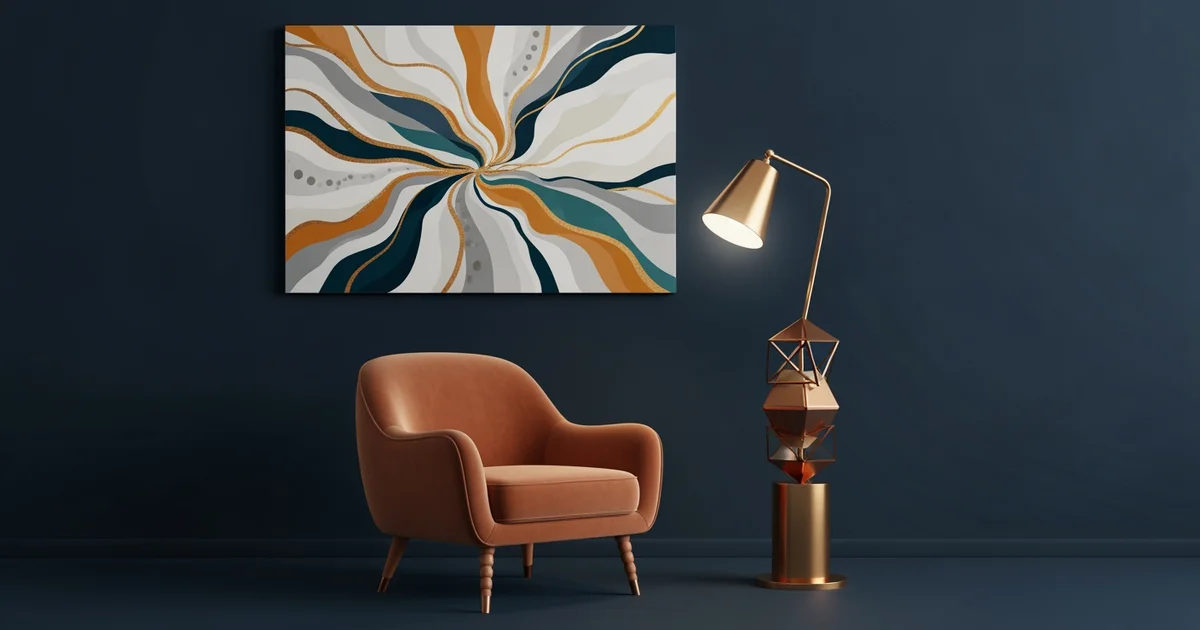
The Building Blocks of Personal Style
Every room tells a story about the person who lives inside that specific space. You start by looking at your Interior Design Aesthetics, which acts as the visual language for your private environment. Think of this like choosing an outfit for a big event where you want to feel confident. You pick colors and fabrics that make you feel like your best self every single day. When you align your furniture with your personality, you create a home that feels authentic and deeply comfortable.
Key term: Interior Design Aesthetics — the collection of visual choices like color, shape, and texture that define the overall look of a room.
Your preferences for light and space often change based on what you need to do in a room. A workspace might need bright, clear light to help you stay focused on important tasks. In contrast, a bedroom usually benefits from softer tones that help your brain prepare for sleep. By identifying these functional needs first, you create a solid foundation for all your future design decisions. You are not just decorating a box; you are building a tool for your own well-being.
Organizing Your Design Preferences
To make sense of your style, you should compare different elements to see what resonates with your daily habits. Most people find that their aesthetic leans toward specific patterns that repeat across their favorite items. You can use a simple table to track how different features affect your mood and your ability to use a room effectively. This process helps you move past random choices and toward a plan that actually works for your specific home layout.
| Design Element | Primary Function | Personal Impact | Goal |
|---|---|---|---|
| Color Palette | Sets the mood | Changes energy levels | Balance |
| Texture | Adds physical depth | Changes tactile comfort | Variety |
| Furniture | Defines room use | Changes movement flow | Utility |
When you look at these elements, consider how they work together in your own house. You might discover that you prefer smooth surfaces for cleaning ease or soft rugs for comfort. These are not just random likes but are clues about how you want to interact with your surroundings. Once you identify these patterns, you can make better choices when shopping for new items or rearranging your current furniture pieces.
To help you refine your vision, consider these three core pillars of aesthetic planning:
- Functional Flow ensures that your furniture layout supports your daily movement without creating any physical obstacles.
- Visual Balance distributes the weight of colors and shapes so that no single corner feels too heavy.
- Personal Connection brings in items that hold memories or represent your hobbies to make the space unique.
By focusing on these pillars, you stop guessing and start designing with real purpose and clear intent. You will find that your home becomes a reflection of your identity rather than a store catalog. This path gives you the skills to curate a living environment that grows and changes alongside your own life journey.
Your personal aesthetic is the intentional balance between how a space looks and how it helps you live your daily life.
By the end of this path, you will have the knowledge to transform any room into a reflection of your identity while meeting your functional needs.