
Balance and Symmetry
Imagine you walk into a room where every single piece of furniture sits on one side. You would likely feel like the house is tilting toward the floorboards on that side. Achieving visual stability in a space requires careful arrangement of objects to balance their perceived weight. When you understand how to distribute these elements, you create a room that feels calm and purposeful. This process is the foundation of creating interiors that look intentional rather than chaotic or accidental.
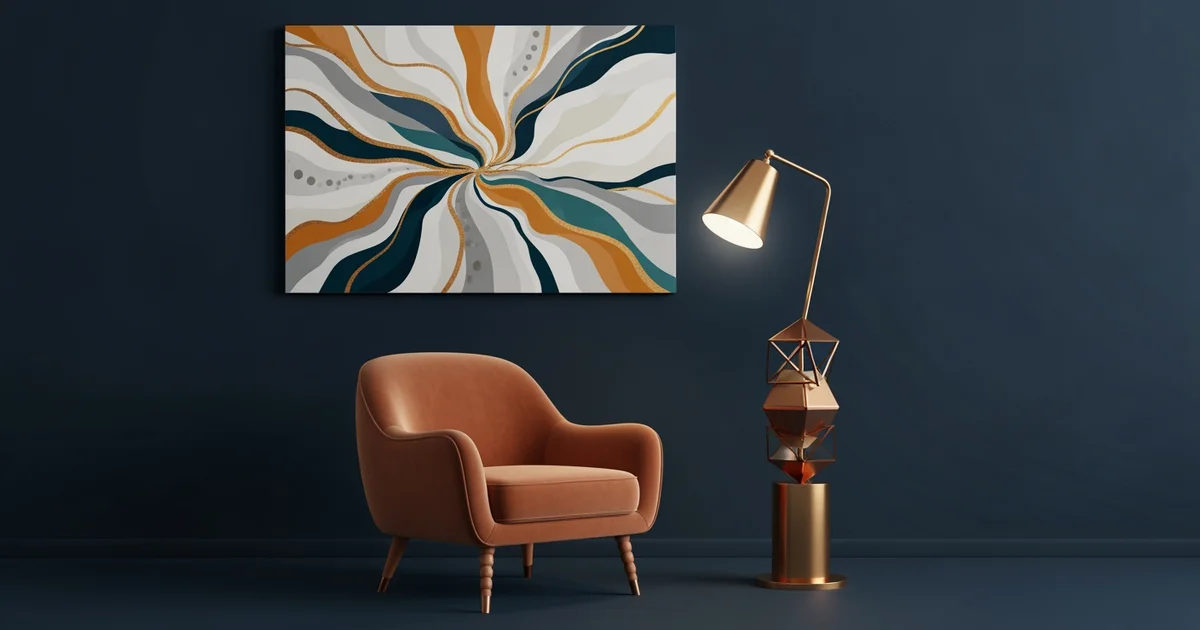
The Mechanics of Visual Weight
To master the art of balance, you must first recognize that every object possesses visual weight. This concept describes how much attention an item draws from the eye based on its size, color, and texture. A dark velvet armchair feels much heavier than a light glass side table of the same size. If you place all heavy items in one corner, the room loses its equilibrium. You must distribute these items across the space to ensure the eye travels smoothly across the entire layout without getting stuck.
Think of a room like a physical scale used in a market to weigh produce. If you place a heavy watermelon on one side, you must place a similar weight on the other side to keep the scale level. In interior design, you balance a massive sofa by placing two smaller chairs or a large piece of art on the opposite wall. This allows the space to feel grounded, preventing the lopsided sensation that occurs when one area of a room dominates the rest.
Formal and Informal Balance
Designers typically rely on two primary methods to achieve stability within a room. The first method, symmetrical balance, creates a mirror image by placing identical items on either side of a central point. This approach is highly effective for creating traditional, formal spaces that feel organized and predictable. The second method, asymmetrical balance, achieves stability through the use of different objects that possess equal visual weight. This creates a more dynamic and modern environment that feels relaxed yet still orderly.
| Balance Type | Visual Strategy | Emotional Impact | Best Application |
|---|---|---|---|
| Symmetrical | Mirroring items | Calm and formal | Entryways or beds |
| Asymmetrical | Balancing weight | Energetic and fun | Living room areas |
| Radial | Circular layout | Focused and grand | Dining room tables |
When you decide which balance style to implement, consider how these strategies affect the room:
- Symmetrical arrangements provide a sense of order by repeating shapes and colors on both sides of a focal point, which helps the brain process the room layout quickly.
- Asymmetrical arrangements provide a sense of depth by using varied heights and textures, which forces the viewer to explore the space more actively as they scan the room.
- Radial balance provides a sense of unity by arranging furniture around a central axis, which encourages conversation and interaction among people sitting in the space.
Using these methods allows you to control the energy of your living area. If you want a space that feels like a quiet library, choose symmetry. If you want a space that feels like a creative studio, choose asymmetry. By choosing the right balance, you ensure the room serves your functional needs while reflecting your personal identity. You are essentially curating the visual experience for anyone who steps inside your home.
Visual balance acts as the anchor for a room, ensuring that the distribution of objects creates a sense of comfort and stability for the occupant.
Now that you understand how to balance your space, how do we determine the correct size of items to ensure they fit the room properly?
Want this with sources you can check?
Premium Learning Paths for Visual Arts & Photography are researched against open-access libraries — PubMed, arXiv, government databases, and more — with their distinctive claims cited to real sources and independently checked.
See what Premium includes