
History of Modern Design
Imagine you walk into a room filled with heavy, dark wooden furniture and cluttered ornaments. You might feel trapped, whereas a bright, open space with simple lines feels like a breath of fresh air. This shift in how we build our homes did not happen by accident. It reflects a major change in how people view their lives and their needs. We move from complex, ornate styles toward designs that value how a space actually functions for the user.
The Shift Toward Functional Design
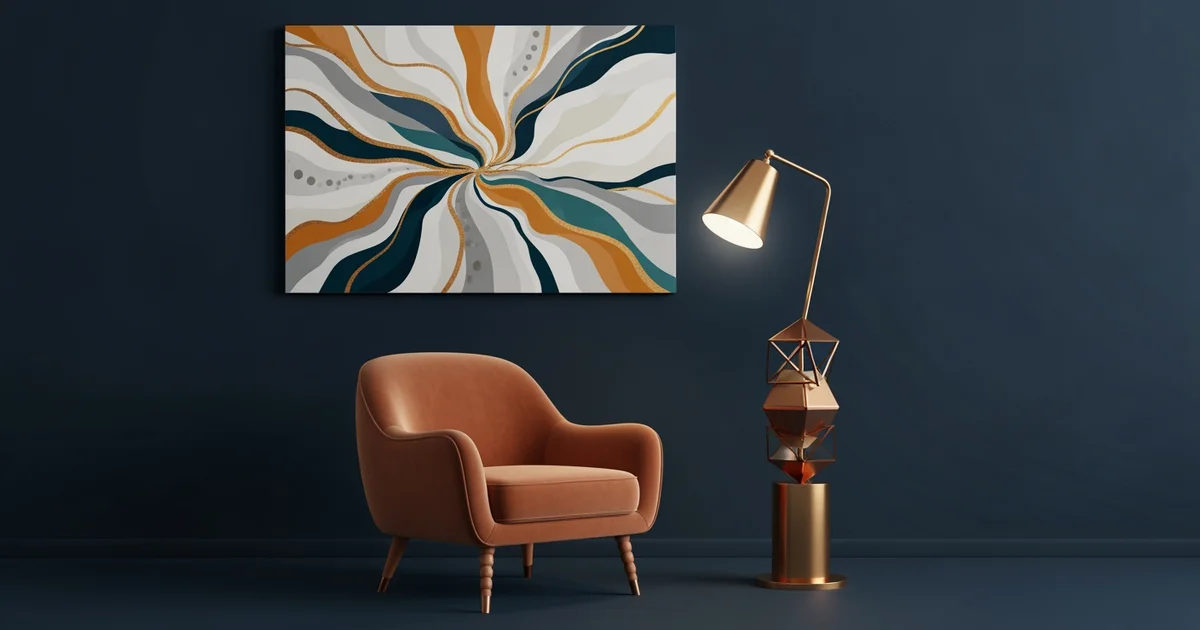
Modern design emerged as a response to the overly decorative styles of the past centuries. Designers began to strip away unnecessary details to focus on the core purpose of each object. Think of this process like editing a long story to keep only the most important words. By removing the fluff, the true message of the room becomes much clearer to everyone. This movement prioritized clean lines and open floor plans to make living spaces feel larger and more efficient. People started to value light and air over heavy curtains and dark, cramped corners.
Key term: Minimalism — a design philosophy that removes excess elements to focus on the essential function and beauty of a space.
This approach changed how architects and designers planned the layout of our daily environments. They wanted to create homes that felt peaceful rather than overwhelming. You can see this change in the move toward large windows and simple, flat surfaces. These choices help people feel more connected to the outside world while staying inside their homes. It is a way of using space to support a calm state of mind.
Major Movements in Modern History
Several key movements helped shape the modern look we recognize in our homes today. These groups of designers shared a common goal of making good design available to everyone. They believed that quality should not be reserved only for the very wealthy members of society. By using new materials like steel and glass, they created furniture that was both durable and affordable.
We can compare these different design movements by looking at their primary goals and the materials they favored for construction:
| Movement | Primary Focus | Key Materials Used |
|---|---|---|
| Bauhaus | Industrial efficiency | Tubular steel and glass |
| Mid-Century | Organic warmth | Plywood and molded plastic |
| Scandinavian | Natural comfort | Light wood and textiles |
Each movement brought something unique to the table while keeping the focus on how we live. The Bauhaus style pushed for simple shapes that were easy to mass produce. Later, designers added warmth to these ideas by using softer materials. This evolution shows that design is not just about looks but about solving human problems. We adapt our surroundings to fit the current pace of our busy lives.
Why These Changes Matter
Understanding these historical shifts helps you see your own home in a new light. When you choose a chair or a rug, you are participating in this long history of design. You are deciding what matters most to you, whether it is comfort, efficiency, or personal style. Every piece of furniture tells a story about what the designer thought was important at that time. By learning these origins, you gain the power to make better choices for your own living environment. You are no longer just buying things, but curating a space that reflects your identity. This is how we transform a simple house into a home that truly serves our daily needs and functional requirements.
Modern design prioritizes the essential function of a space by stripping away unnecessary decoration to create a more efficient living environment.
Next, we will explore how color theory influences the mood and perception of these modern interior spaces.