
Texture and Materiality
Imagine you walk into a room filled only with smooth glass and cold steel. You likely feel a sense of detachment because these surfaces lack the warmth of human touch. Designing a space requires more than just picking colors for the walls or arranging furniture in a line. You must consider how materials feel when your skin makes contact with them during your daily routines. This tactile experience defines how comfortable you feel within your own home environment over long periods. By choosing the right surfaces, you transform a generic house into a place that feels deeply personal and inviting.
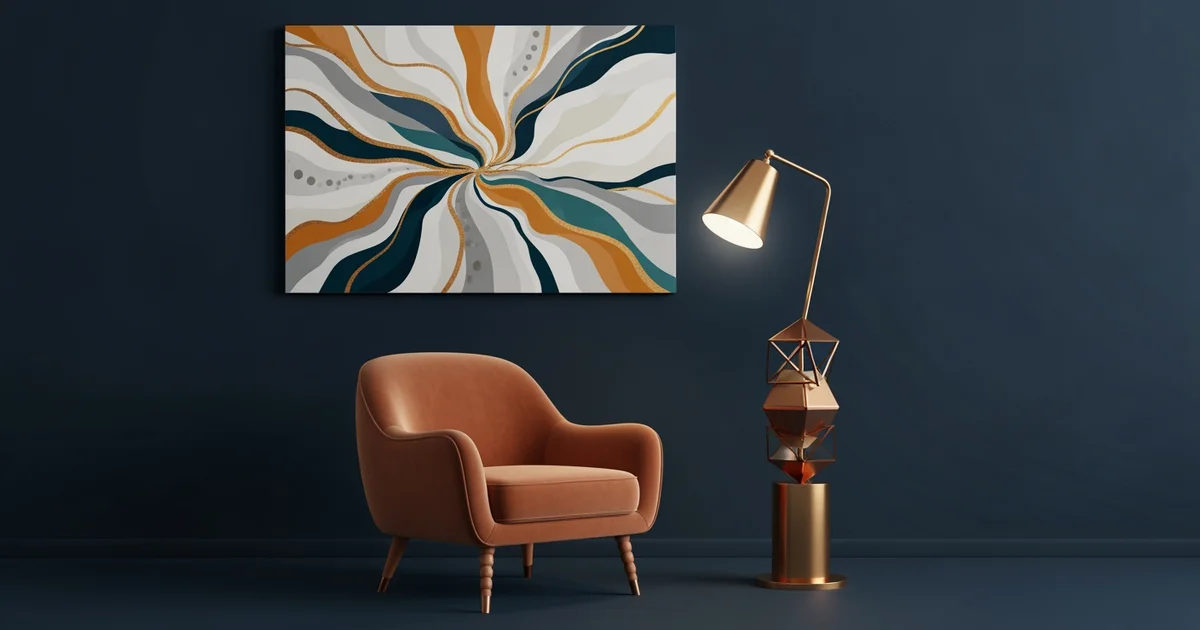
The Role of Tactile Variety
Texture acts as the visual weight of a material based on how it reflects or absorbs light. A rough stone wall creates deep shadows that add drama, while a polished marble floor reflects light to make a space feel open. You should think of texture as the personality of your room because it dictates the mood of your living area. When you mix different surfaces, you create a balanced environment that prevents the eyes from becoming bored by repetitive patterns. Designers often use tactile contrast to highlight specific furniture pieces or architectural features within a larger room. This technique ensures that your eyes move naturally across a space instead of getting stuck on one single focal point.
Key term: Tactile contrast — the visual and physical difference between two adjacent materials that makes each texture appear more distinct.
To understand this better, consider how a baker creates a perfect loaf of bread. The baker combines a crisp, golden crust with a soft, airy interior to provide a complete sensory experience. If the bread were only soft, it would lack structure; if it were only hard, it would be impossible to enjoy. Your home design works exactly like this artisan loaf of bread. You must balance hard, durable surfaces with soft, comfortable textiles to ensure the space remains both functional and cozy. Without this balance, a room feels either too clinical or too cluttered for daily life.
Selecting Materials for Functional Spaces
Now that you understand the importance of balance, you must select materials that fit the specific needs of each room. Different areas in your home require different levels of durability based on how frequently you use them. You can use the following guide to determine which textures suit your lifestyle needs for various living spaces:
- High traffic areas like hallways benefit from durable, low-pile textures that resist wear and tear while remaining easy to clean.
- Relaxation zones like reading nooks require soft, plush materials that encourage long periods of rest and physical comfort for the user.
- Kitchens need non-porous and smooth surfaces to ensure that food preparation remains hygienic and simple to wipe down after daily use.
When you integrate these elements, you should focus on how the materials age over time in your home. Natural materials like wood or leather develop a unique patina that adds character and tells a story about your life. Synthetic materials often remain static and do not change, which can feel less personal as the years go by. You should choose a mixture of both to ensure your home remains practical while still feeling like a living, breathing space that evolves with you.
| Material Type | Primary Texture | Best Use Case | Maintenance Level |
|---|---|---|---|
| Natural Wood | Grainy/Warm | Flooring | Moderate |
| Brushed Metal | Matte/Cool | Hardware | Low |
| Woven Cotton | Soft/Fibrous | Upholstery | High |
By carefully selecting these materials, you create a sensory landscape that supports your identity and daily functional needs. This process requires patience as you test how different light sources interact with your chosen textures throughout the day. When you prioritize the way your home feels, you build a foundation for lasting satisfaction within your personal environment.
Thoughtful selection of diverse textures creates a balanced environment that satisfies both our physical comfort and our need for visual interest.
The next Station introduces lighting design strategies, which determines how texture and materiality appear to the human eye.