
Budget-Friendly Styling
When Sarah moved into her first studio apartment in 2022, she faced a blank, white room with zero personality and a tiny bank account. She realized that high-end interior design relies on smart choices rather than just spending large sums of money on expensive furniture. This approach is the practical application of Visual Cohesion from Station 12, which emphasizes how balance creates a professional look. By focusing on smart, affordable styling, anyone can transform a basic living space into a polished, intentional home environment.
Strategic Furniture Selection
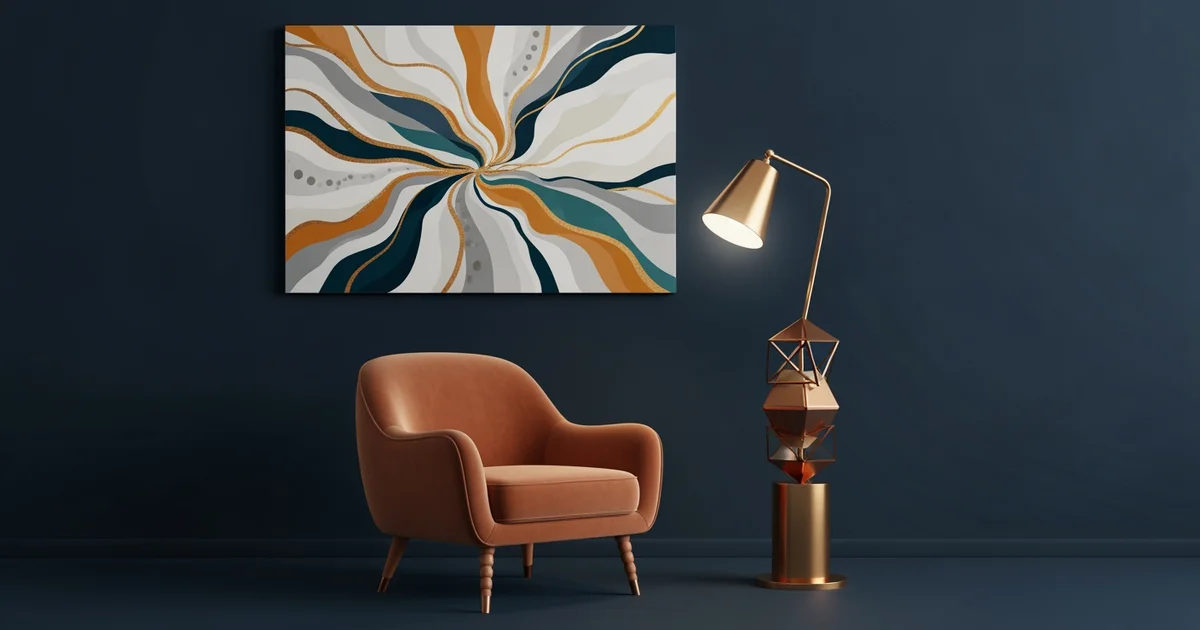
Creating a high-end look starts with selecting pieces that serve multiple purposes while maintaining a clean aesthetic. You should prioritize items that offer hidden storage to keep your living area free from visual clutter. Clutter is the enemy of expensive design, as it draws the eye to mess instead of the room features. Think of your furniture like a puzzle where each piece must fit perfectly to complete the picture. If one piece is too large, the entire layout feels cramped and amateurish. By choosing neutral tones for large items, you create a foundation that allows for cheaper, vibrant accessories to pop. This neutral base acts like a canvas, letting you update your style easily without buying new furniture.
Key term: Visual Cohesion — the principle of using consistent elements like color, texture, or shape to make a room feel unified and planned.
The Power of Layered Lighting
Lighting often dictates how luxury is perceived, yet many people rely solely on a single overhead light. This flat lighting makes a room feel like a hospital rather than a comfortable, high-end home. Instead, you should layer your lighting by using floor lamps, table lamps, and wall sconces together. These different light sources create depth and shadow, making the room feel larger and more inviting. Proper lighting serves as the jewelry of the room, adding sparkle and warmth to your design scheme. You can find affordable, stylish fixtures at local thrift stores or discount retailers to achieve this effect. By placing lamps at different heights, you guide the eye around the space to highlight your best design features.
Using a specific color palette helps ensure your budget purchases look like a curated collection. A well-planned scheme prevents your room from looking like a random assortment of clearance items.
| Style Type | Primary Focus | Budget Strategy | Effect |
|---|---|---|---|
| Minimalist | Open space | Fewer, better items | Calm luxury |
| Industrial | Raw materials | Metal and wood | Edgy warmth |
| Bohemian | Textures | Plants and rugs | Soft comfort |
Texture and Accessory Impact
Texture provides the tactile experience that makes a room feel expensive and thoughtfully designed. When you mix different materials like velvet, wood, metal, and glass, you add visual interest without needing expensive patterns. A simple room becomes elevated when you add a plush rug, a metallic tray, or a woven basket. These small items act as the finishing touches that pull your entire design concept together. You should focus on high-quality textures that feel good to touch, as these details suggest a higher price point. Remember that styling is about balance, so avoid over-crowding surfaces with too many knick-knacks. Keep your surfaces mostly clear to maintain a sense of open, breathable space that feels professional.
True luxury in home styling comes from the intentional arrangement of textures, light, and neutral foundations rather than the total cost of individual items.
But this model of budget styling faces significant challenges when working within the strict constraints of rental properties that limit permanent changes.