
Executing the Final Vision
Imagine standing in an empty room where every wall remains blank and every floor stays cold. You hold the final blueprint for a space that reflects your identity and your daily needs. Translating those abstract sketches into a physical reality requires more than just buying furniture or choosing paint. It demands a disciplined approach to assembly where every deliberate choice serves the vision you established during your design concept phase. Successfully executing this vision transforms a hollow structure into a functional sanctuary that supports your life.
The Mechanics of Spatial Assembly
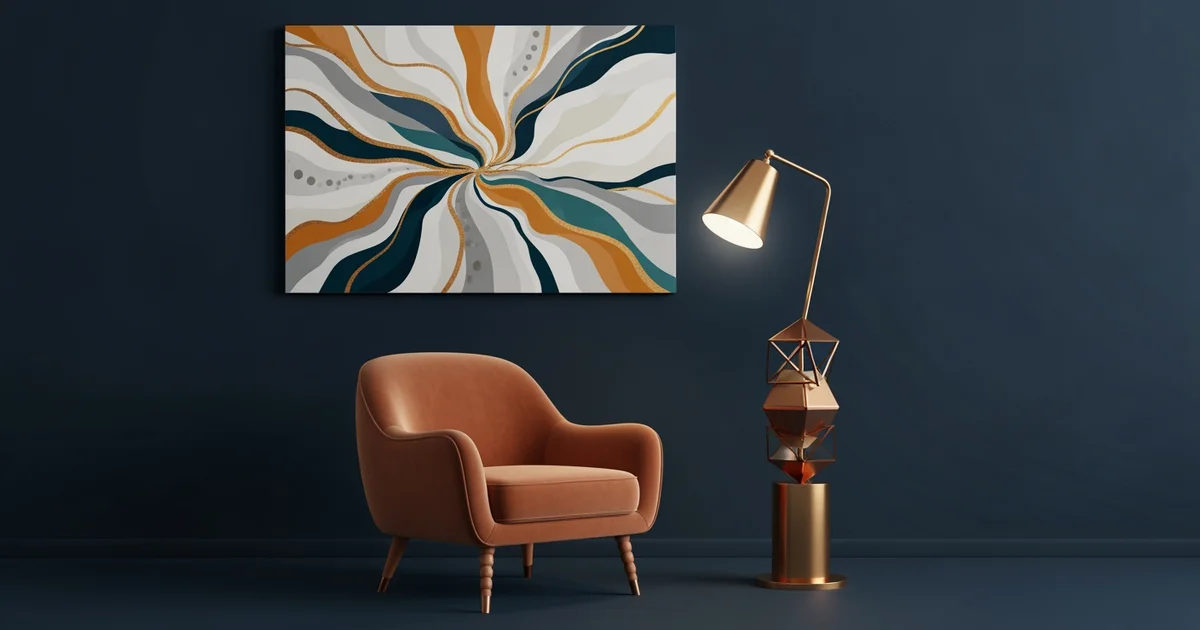
When you begin the physical transformation, you must treat the room as a complex ecosystem of parts. Just as a chef balances ingredients to create a perfect meal, you must balance light, texture, and scale within your living environment. This process begins by establishing the anchor pieces that define the room's primary purpose. These large items dictate how you navigate the space and how light moves across the surfaces. If you place a heavy sofa in a small room without considering the flow of traffic, the entire design collapses under the weight of poor planning. You must prioritize these central items before adding smaller decorative details that might clutter your vision.
Key term: Anchor pieces — the foundational furniture items that establish the primary function and spatial flow of a room.
Once your anchor pieces sit in their correct positions, you shift your focus to the layers of atmosphere. Lighting serves as the invisible brush that paints the mood of your room throughout the day. You should consider how natural light interacts with your chosen materials to avoid harsh glare or dark corners. This is where you revisit the design intent you developed earlier to ensure your choices remain consistent. A room that aims for a calm aesthetic will fail if your lighting choices introduce chaotic shadows or overly bright clinical tones. Maintain a clear focus on how the light supports the mood you want to feel when you walk through the door.
Managing the Execution Workflow
Successful execution relies on a logical sequence of tasks that prevents you from feeling overwhelmed by choices. You can manage this process by following a structured checklist that keeps your project moving forward without losing the original concept. The following steps help you maintain control over the transformation process:
- Clear the entire space to create a fresh canvas that allows you to see the true potential.
- Install your anchor pieces to define the primary zones and establish the core flow of movement.
- Layer in secondary elements like rugs and window treatments to soften the hard edges of the room.
- Add personal accessories that highlight your unique identity while keeping the overall aesthetic balance firmly in place.
This sequence ensures that you do not rush the process or overlook the subtle details that make a room feel complete. By moving from the largest elements to the smallest accents, you build a cohesive environment that feels intentional rather than accidental. Each step reinforces the previous one to create a unified final vision that aligns with your identity.
| Element Type | Primary Function | Impact on Space |
|---|---|---|
| Anchor Pieces | Define Function | Sets the physical layout |
| Soft Layers | Texture Comfort | Controls sound and warmth |
| Personal Decor | Identity Marker | Adds individual character |
Your final room transformation strategy requires constant evaluation as you place each item. If an object does not serve the function or the aesthetic goal, it creates friction that distracts from your primary identity. You must be willing to remove items that do not contribute to the overall harmony of the space. This process of refinement is the final bridge between a house and a home. When every item has a purpose, the room finally breathes as a singular expression of your goals and your personality.
Executing a final vision requires a disciplined sequence of layering elements to ensure that every object supports your intended function and personal identity.
Understanding how to assemble your environment allows you to create spaces that actively improve your quality of life.