
Theories of Phonological Acquisition
Imagine a young child building a complex tower from wooden blocks without ever reading a manual. The child learns which pieces stay upright and which pieces tumble down through simple trial and error. Language acquisition works in a similar way as infants test sounds to see which ones get a reaction from their parents. This process is not just about hearing noises but about organizing those vibrations into a system that conveys meaning. By turning these physical waves into symbols, humans create a shared map of the world that allows for complex social interaction.
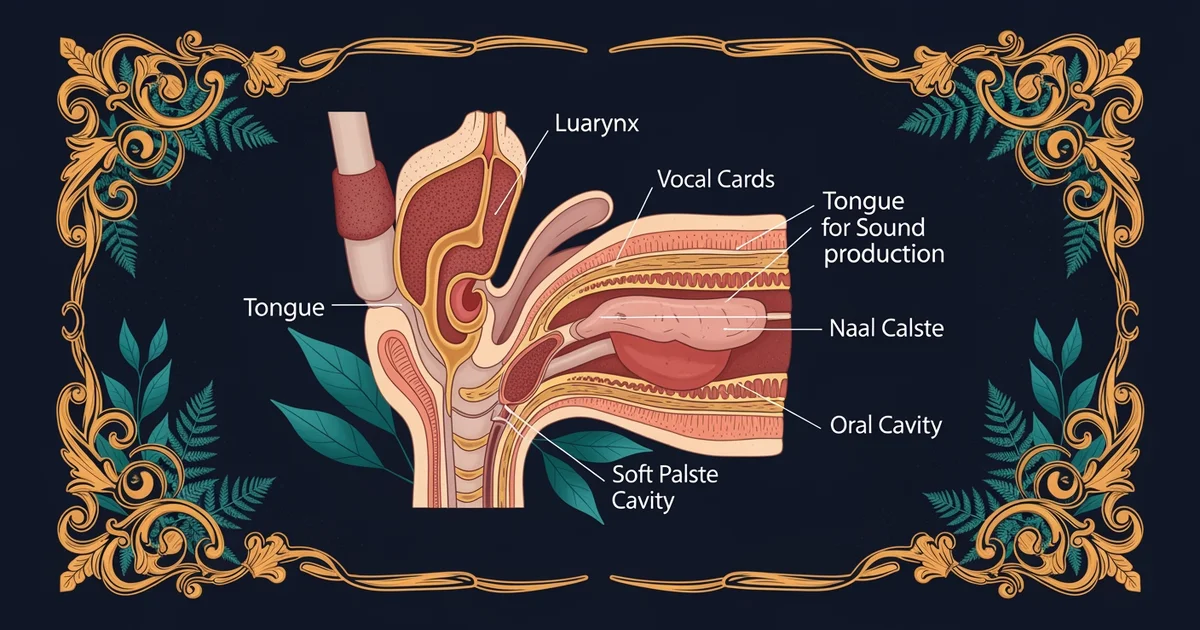
The Stages of Early Sound Development
Infants begin this journey by producing simple sounds that eventually evolve into the structured patterns of their native language. This progression follows a predictable path that allows researchers to track how the brain maps sensory input to specific motor outputs. The first stage involves reflexive noises like crying or fussing which serve as basic survival tools for the baby. As the child grows, they enter the cooing stage where vowel sounds emerge during moments of comfort. These early sounds provide the foundation for later speech by allowing the infant to experiment with vocal cord tension and airflow control.
Following these initial phases, the child moves into the babbling stage which acts as a crucial training ground for phonological mastery. During this period, infants combine consonants and vowels to create repetitive patterns that sound like speech even if they lack specific meaning. This phase demonstrates how the human brain naturally seeks to replicate the rhythm and melody of the language spoken in their environment. The child is essentially practicing the motor skills required to produce the distinct sounds found in their native tongue. This mimicry is a vital step in bridging the gap between raw noise and meaningful linguistic communication.
Key term: Phonological acquisition — the developmental process through which infants learn to perceive and produce the sound systems of their native language.
Mechanisms of Sound Organization
Once children begin to grasp individual sounds, they must learn how to organize these units into a functional system. This internal organization requires the child to identify which sound differences matter for changing the meaning of a word. For example, the child must distinguish between sounds that change the definition of a word versus those that are just variations of the same sound. This mental sorting process is a form of cognitive filtering that helps the child focus only on the relevant information. Without this filtering, the brain would be overwhelmed by the sheer volume of auditory data received every single second.
To understand how children prioritize these sounds, we can look at the common patterns of development across different language groups:
- Feature acquisition allows children to learn specific sound traits like voicing or place of articulation before they master complex individual phonemes.
- Phonotactic constraints help children learn which sound combinations are allowed in their language so they can avoid impossible clusters during early speech.
- Systemic reorganization occurs when a child discovers a new rule and must adjust their entire existing sound inventory to accommodate the new discovery.
This development is not a smooth line but a series of leaps where the child constantly adjusts their internal model of language. When children encounter sounds that do not fit their current model, they often simplify them to match their existing motor abilities. This simplification strategy is a rational choice that allows the child to communicate effectively while their brain continues to refine the necessary neural pathways. By observing how children simplify complex sounds, we gain insight into the hierarchy of their internal phonological rules. This observation connects back to our previous study of clinical phonetic assessment where we identified how specific speech delays might indicate a struggle with these internal organizational rules. The transition from simple babbling to complex sentences is a testament to the incredible efficiency of the developing human brain. We must ask how the brain maintains this flexibility while also building a rigid system for communication that lasts a lifetime.
Human language acquisition relies on the brain converting raw auditory input into a structured system of meaningful sound categories through constant trial and error.
Next, we will explore the future trends in phonetics and how technology might help us map these developmental stages with greater precision.