
Suprasegmental Features Overview
Imagine you are listening to a friend tell a story about a wild trip. Even if you do not pay attention to the specific words, you can tell if they are happy, sad, or surprised just by the way their voice rises and falls. This happens because speech relies on more than just the individual sounds we make when we speak. These extra layers of meaning are called suprasegmental features, and they act like the emotional roadmap for our verbal communication. Without these patterns, our speech would sound like a flat, robotic stream of data that lacks any human nuance or intent.
Understanding the Mechanics of Speech Modulation
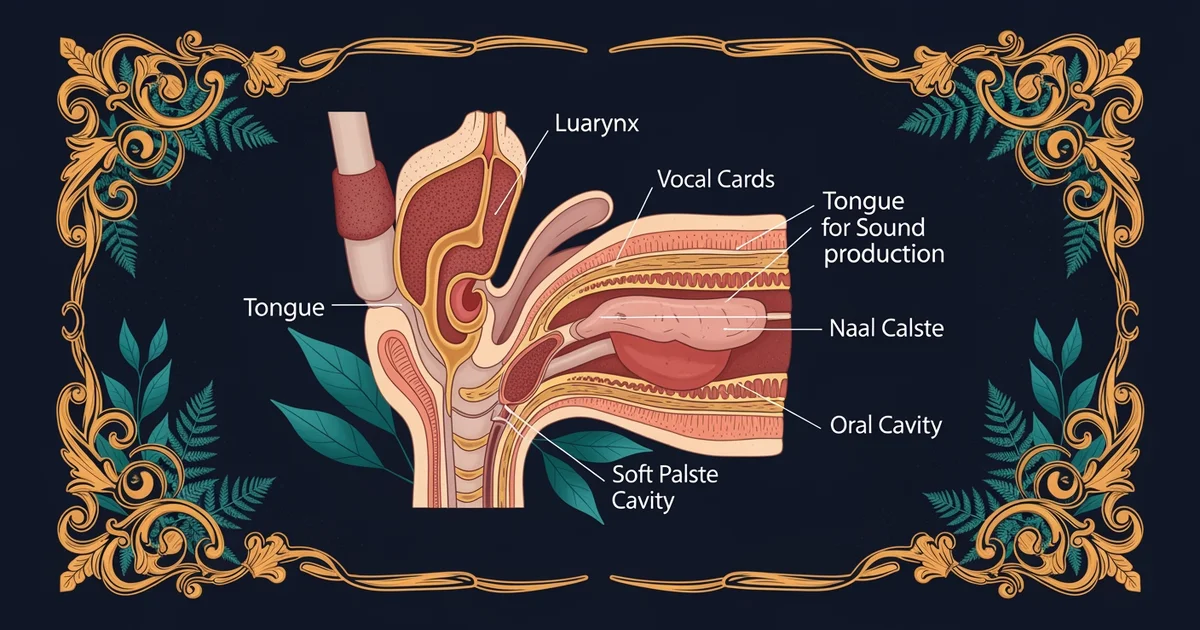
When we speak, we use several physical tools to add texture to our sentences. The most important of these tools is pitch, which refers to how high or low our voice sounds during a conversation. We change pitch by adjusting the tension in our vocal cords, which causes the air to vibrate at different speeds. Think of this like a guitar string; when you tighten the string, the note becomes higher, and when you loosen it, the note becomes lower. By shifting our pitch, we signal whether we are asking a question or making a statement. This subtle movement is what allows a listener to distinguish between a simple fact and an excited exclamation without needing to see the speaker's face.
Another vital component of these features is stress, which involves giving more prominence to specific syllables within a word or a sentence. We create stress by making a syllable louder, longer, or higher in pitch than the surrounding sounds. This is similar to how a drummer might emphasize the first beat of every measure to keep the rhythm steady for a band. If you place the stress on the wrong part of a word, the entire meaning can shift or become confusing to the listener. For instance, changing the stress in a word like "record" can turn it from a noun into a verb, showing how important this physical emphasis truly is for clear language.
To better understand how these features work together, we can look at the main elements that define the melody and rhythm of our daily speech:
- Pitch variation helps the listener track the emotional state and the grammatical intent of the speaker during a long or complex conversation.
- Stress patterns provide a rhythmic structure that highlights important information while keeping the flow of the language consistent and easy to follow.
- Juncture refers to the tiny pauses or gaps we place between words, which prevent our speech from sounding like a continuous, unreadable blur.
These elements function like the punctuation marks in a written book, but they exist entirely in the air between the speaker and the listener. While written text uses commas and periods to organize ideas, spoken language uses these suprasegmental tools to keep the listener engaged and informed. If you ignore the rhythm or the pitch of a sentence, you lose the subtle hints that tell you when to pause or when to listen closer. This system is the reason why we can understand sarcasm or irony, as these rely on pitch shifts that contradict the literal meaning of the words being spoken.
Key term: Suprasegmental features — the various vocal qualities like pitch, stress, and timing that add layers of meaning to the individual sounds of language.
When we consider how these features interact, it becomes clear that they are not optional add-ons to our speech. They are essential parts of the human experience that allow us to share complex thoughts and feelings with one another. Just as a musician needs to understand tempo and volume to play a song correctly, we need to master these vocal features to communicate effectively in our daily lives. By paying attention to these patterns, you can begin to see how much information is hidden in the way we speak rather than just the words we choose.
Suprasegmental features provide the essential emotional and grammatical context that transforms simple vocal sounds into meaningful human communication.
The next Station introduces acoustic waveform analysis, which determines how we measure these sound patterns using modern digital technology.