
The History of Linguistic Analysis
Imagine trying to write down the exact sound of a rushing waterfall without using any recording technology. You would quickly find that standard letters fail to capture the subtle shifts in pitch and intensity that define the noise. This struggle to map physical sound onto a static page is exactly what early linguists faced when they first tried to document human speech. Before we had digital sensors, scholars relied on their own ears to categorize the complex vibrations that form our spoken words. Understanding this history reveals why we use specific symbols today to represent the sounds of our daily conversations.
The Evolution of Sound Documentation
Early attempts to document language relied heavily on the subjective experiences of individual researchers who listened closely to native speakers. These pioneers acted like human microphones, attempting to transcribe every nuance of a sound into a visual format that others could replicate. They often struggled because different people hear the same noise in slightly different ways, leading to inconsistent records across various regions. This inconsistency forced the field to move toward a more standardized system that removes personal bias from the observation process. By creating a shared set of symbols, researchers finally gained a reliable way to compare languages that had never been written down before.
Key term: Phonetic transcription — the process of using standardized symbols to represent the specific sounds of human language in a consistent manner.
Think of this transition like moving from a hand-drawn map to a precise global positioning system. A hand-drawn map might show the general path, but it lacks the exact coordinates needed for someone else to find the same spot. Standardization provided the exact coordinates for every sound, allowing researchers to build a global inventory of language patterns. This shift was essential for moving linguistics from a collection of personal stories into a rigorous field of study. Without this level of precision, we would still be guessing about the true nature of ancient or remote dialects.
The Shift to Objective Analysis
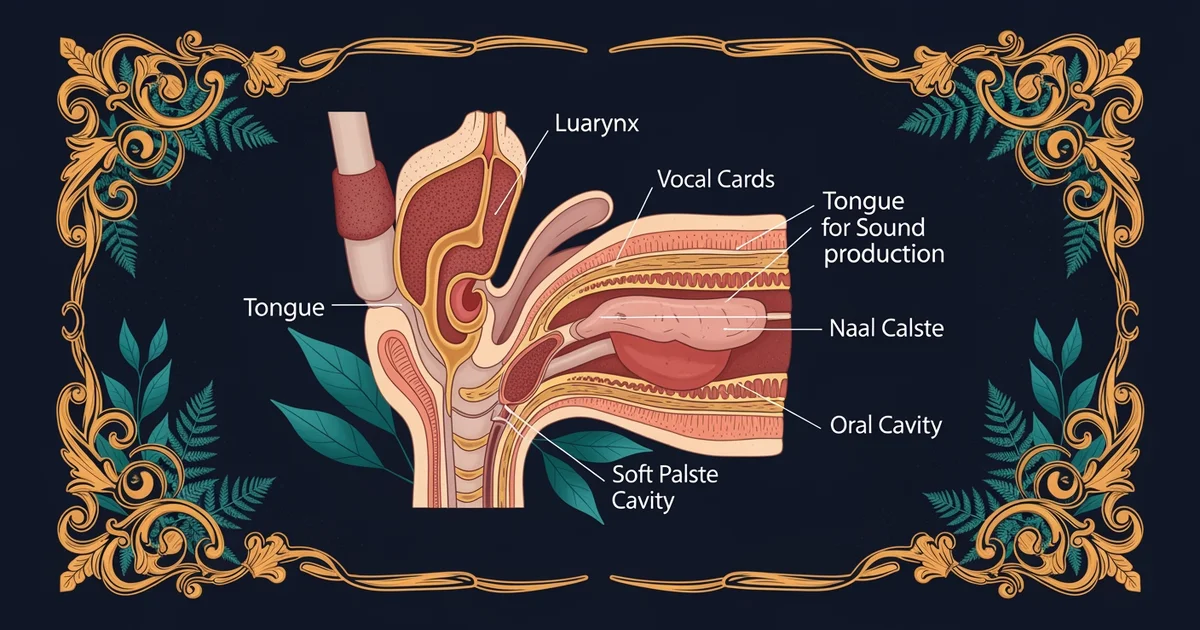
As the field matured, scholars realized that relying solely on the human ear was not enough to ensure accuracy. They began to look for mechanical ways to track the physical movements of the mouth and throat during speech. This change marked the beginning of modern phonetic research, where the focus shifted from simple listening to measuring actual physical data. By observing the position of the tongue and the vibration of the vocal cords, they gained insights that the human ear could never detect on its own. This objective approach allowed for a deeper understanding of how we produce distinct sounds, which we now call phonemes.
To organize these findings, researchers developed systems to categorize sounds based on their physical traits. The following table highlights the three main methods used to classify these speech sounds during the development of the field:
| Classification Method | Focus Area | Primary Goal |
|---|---|---|
| Articulatory | Mouth movement | Mapping physical production |
| Acoustic | Sound waves | Measuring frequency and pitch |
| Auditory | Human perception | Studying how the ear hears |
These methods allowed linguists to break down language into its smallest usable parts, much like a chemist analyzes a complex mixture into its base elements. Understanding these categories helps us see how humans turn simple physical vibrations into meaningful language and shared understanding. It is a process of constant refinement, where each new discovery helps us peel back another layer of the mystery of human communication. This history of analysis shows that our ability to speak is not just a random act, but a highly structured system of physical events.
The history of linguistic analysis demonstrates that moving from subjective listening to objective measurement is essential for creating a shared and accurate understanding of human speech.
Having traced the history of how we document sounds, we will now examine the specific physical movements required to produce those sounds in the next station.