
Phonological Rule Systems
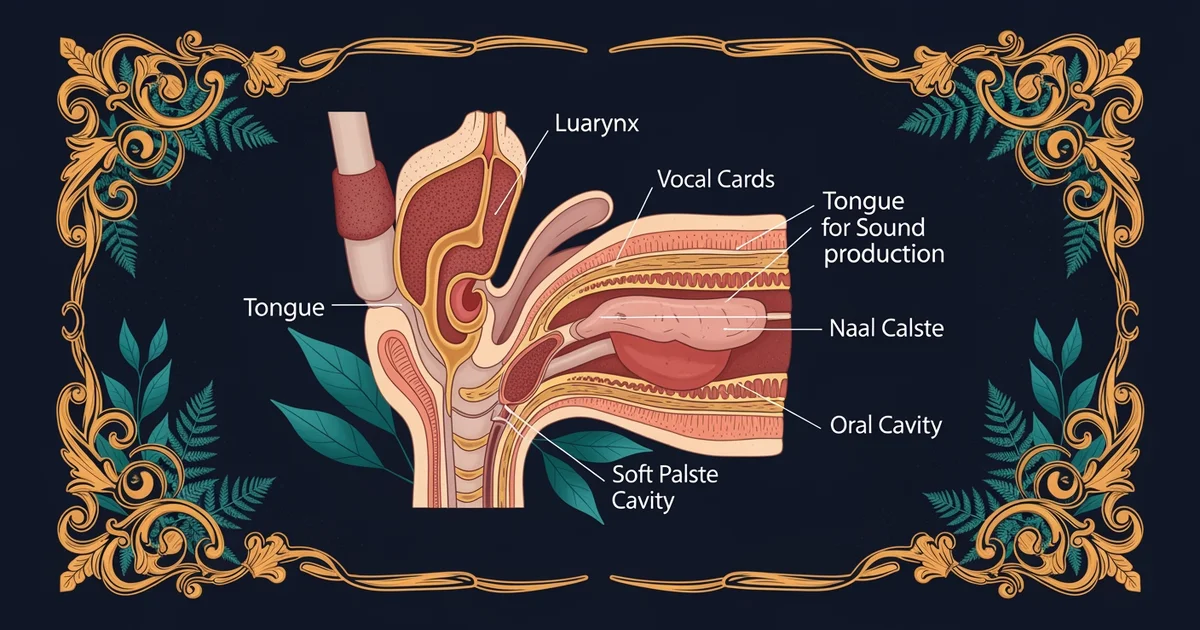
When you speak to a friend, your mouth moves in a series of quick, invisible patterns. You likely do not think about these tiny movements while you are busy sharing your ideas. These patterns are not random accidents, but instead follow strict systems that keep our language organized. By studying these systems, we can predict how sounds change when they sit next to each other in a sentence. Understanding these rules helps us see how humans turn physical vibrations into meaningful language and shared understanding.
The Logic of Sound Patterns
Every language uses a specific set of rules to manage how sounds behave in different contexts. Imagine you are organizing a massive library where every book must follow a strict shelf location rule. In language, these rules determine if a sound stays the same or shifts to match its neighbor. This process is known as phonological rule systems, which act as the hidden grammar for our speech. Without these rules, our words would sound clunky and difficult to produce during fast, natural conversation. We rely on these systems to make speech efficient and comfortable for the human vocal tract.
Key term: Phonological rule systems — the set of unconscious patterns that dictate how individual speech sounds change based on their neighboring sounds.
These rules often act like an economic trade-off where the brain chooses the path of least physical effort. When two sounds are hard to say together, our mouths naturally adjust one sound to make it match the other. This process, called assimilation, happens when a sound takes on features from a nearby sound to save energy. Think of it like a group of hikers who adjust their walking pace to match the slowest person in the group. By matching the speed of the slowest hiker, the entire group moves forward with much less total frustration.
Predicting Sound Behavior in Context
When we look at these patterns, we can create a clear map of how sounds shift during speech. These shifts are not random errors but are predictable outcomes of the surrounding sound environment. Linguists use these rules to explain why the same letter might sound different in various words. The following table shows how certain rules influence the way we produce common sounds in everyday English speech:
| Rule Type | Description | Example Context | Resulting Shift |
|---|---|---|---|
| Assimilation | Sounds become similar | In-possible | Becomes impossible |
| Deletion | Sounds are removed | Hand-bag | Becomes han-bag |
| Insertion | Sounds are added | Ham-ster | Becomes hamster |
These patterns show that our brains prioritize clarity while also seeking to minimize the physical work of speaking. When a rule like deletion occurs, the brain simply drops a sound that is too difficult to pronounce quickly. This happens most often when two consonants cluster together in a way that feels awkward for the tongue. By dropping one, we keep the flow of the sentence moving without losing the core meaning of our message. This efficiency is why we can speak at high speeds without getting our tongues tied in knots constantly.
Understanding these rules allows us to predict how a speaker will pronounce a word before they even finish saying it. If we know the rule, we can anticipate the shift based on the sounds that come before or after the target. This skill is essential for anyone who wants to study how languages evolve over time or how different dialects develop unique traits. By observing these small shifts, we gain a deeper appreciation for the complex machinery working inside our mouths every day. We are essentially decoding the secret code that turns raw air into the structured language we use to connect with others.
Phonological rule systems function as a hidden efficiency mechanism that adjusts individual speech sounds to make complex sequences easier for the human mouth to produce.
The next Station introduces suprasegmental features, which determines how pitch and stress interact with these rule systems to create meaningful expression.