
Future Trends in Phonetics
Digital assistants listen to our requests and translate them into actions with surprising accuracy every single day. This seamless interaction hides a complex world of sound processing that is currently undergoing a massive transformation.
The Future of Synthetic Speech
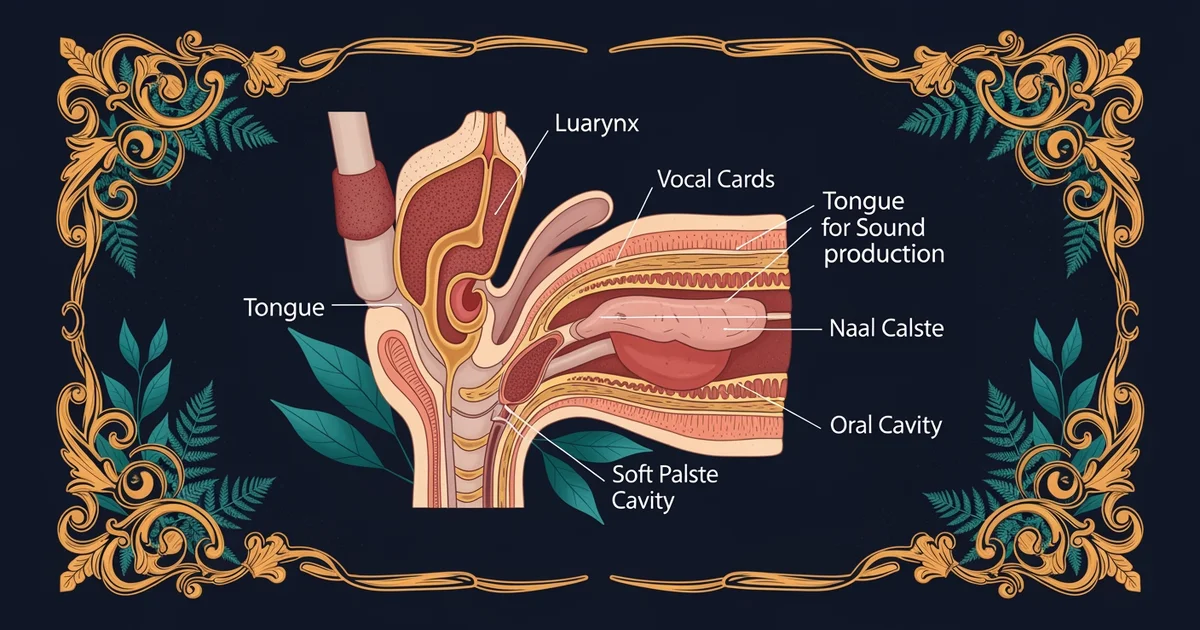
Modern linguistics moves toward machines that mimic human speech patterns with near perfect biological precision. Engineers now use neural phonetics to map how human vocal cords create specific frequencies during everyday conversation. This approach differs from older methods that relied on pre-recorded audio clips stitched together by computer logic. By modeling the physics of the throat and mouth, computers generate sounds that feel natural to the human ear. Think of this like a master chef who learns the chemistry of ingredients instead of just following a static recipe. The chef can adapt to any kitchen, just as these new models adapt to any speaker. This shift allows for more expressive digital voices that convey emotion and intent through subtle variations in pitch and timing. These advancements bridge the gap between cold, robotic tones and the warmth of genuine human communication.
Researchers are now focusing on how to make these synthetic systems understand the nuances of regional accents. They analyze how speakers shift their vowel sounds based on their local community and social background. This research builds upon earlier studies of phonological acquisition, where we learned how children mirror the sounds they hear around them. By applying these theories to artificial intelligence, we can create machines that learn to speak in ways that match the user. This creates a comfortable environment for the person interacting with the technology. It also helps preserve linguistic diversity in a digital age where standardized speech might otherwise dominate.
Integrating Data and Sound
Technological progress in this field relies on the integration of massive datasets with sophisticated sound processing algorithms. The following table highlights the key areas where future research efforts are currently concentrated for better speech results:
| Research Area | Primary Goal | Expected Benefit |
|---|---|---|
| Acoustic Modeling | Mimic vocal cord vibration | Realistic synthetic voices |
| Prosodic Mapping | Capture rhythm and stress | Natural emotional delivery |
| Dialect Adaptation | Learn regional speech patterns | Personalized user interaction |
These goals help us answer how humans turn physical vibrations into meaningful language and shared understanding. We now see that the process involves both raw physical data and complex social context. By combining these, we create a system that does not just hear noise but understands intent. This synthesis of biology and engineering marks a major turning point for the field of linguistics. We are moving away from simple command recognition toward a future of nuanced, bidirectional conversation between humans and machines.
Key term: Neural phonetics — the study of using artificial neural networks to simulate the physical and biological processes of human speech production.
As we look forward, the biggest unresolved tension involves the ethical use of these highly realistic synthetic voices. Experts worry about the potential for deepfakes and the loss of authentic human connection in digital spaces. This challenge requires linguists to work alongside ethicists to build safeguards into the core of speech technology. The goal is to harness the power of artificial speech while protecting the integrity of human identity. We must ensure that our machines serve our communication needs without replacing the unique qualities of our voices. This ongoing debate will shape the research landscape for many years to come.
The future of phonetics lies in creating machines that understand the physical mechanics of speech while respecting the social context that makes human language unique.
Understanding these future trends allows you to see how technology will continue to shape the way we communicate across the globe.