
Ethics in Predictive Modeling
When the city of London planned a massive rail expansion in 2012, engineers discovered that their digital maps failed to account for ancient burial grounds hidden beneath the soil. This oversight forced a costly halt to construction, proving that hidden history is a volatile variable in modern urban development projects.
Balancing Progress and Preservation
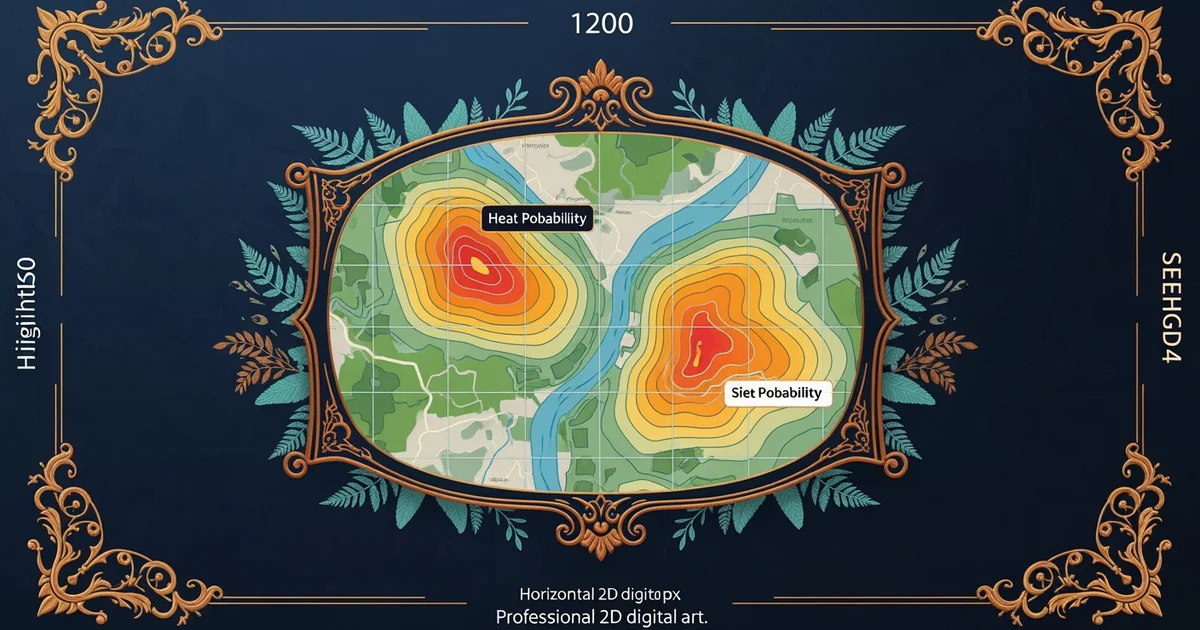
Archaeologists use predictive modeling to estimate where human activity occurred before physical evidence is unearthed. While these tools save time and money, they also create a dangerous tension between site protection and public access. When a model identifies a high-probability area for ancient artifacts, that land becomes a target for both preservationists and treasure hunters. If archaeologists share these maps too openly, they risk inviting looting at sites that lack legal status. This tension is a central ethical challenge in the field, as the desire to share knowledge must compete with the duty to protect vulnerable cultural heritage from exploitation.
Key term: Predictive modeling — a statistical technique that uses past environmental and historical data to forecast the likelihood of finding ancient sites in specific geographical locations.
Protecting these sites requires a delicate balance similar to a bank managing private account data. Banks must verify that a person is the true owner before granting access to sensitive financial records, just as archaeologists must vet those who request site location data. If a bank published every customer balance on a public billboard, the risk of theft would skyrocket immediately. Similarly, releasing precise coordinate data for unexcavated sites acts as a map for illegal diggers who seek to profit from the sale of stolen historical goods. Balancing this access means creating tiers of data that allow researchers to study patterns without exposing specific locations to those who would cause harm.
Ethical Standards in Data Management
Beyond the risk of looting, researchers must consider the impact of their models on local communities who live near these potential sites. When a model predicts that a neighborhood sits atop a significant historical location, property values and development rights can shift overnight. This is the ethical application of spatial data from Station 12 working in real conditions. Developers might avoid the area entirely to escape the burden of mandatory salvage excavations, which can lead to economic stagnation for local residents. Archaeologists have a duty to ensure that their findings do not unfairly disadvantage the people who currently inhabit these historically significant landscapes.
To manage these complex risks, the archaeological community follows these core ethical guidelines:
- Transparency in methodology ensures that other researchers can verify the accuracy of the model without needing access to secret location data.
- Data sensitivity protocols restrict access to precise site coordinates, providing only generalized probability zones to the public and non-specialist stakeholders.
- Community engagement involves local residents in the planning process, ensuring that the protection of heritage does not come at the expense of their local economic stability.
- Institutional oversight requires that all predictive outputs undergo an ethical review board, which evaluates the potential for looting or social harm before the data is finalized.
These guidelines help prevent the misuse of technology while still allowing the field to grow. By prioritizing the safety of the site over the speed of the project, researchers maintain public trust and professional integrity. The goal is to build a future where we understand our past without destroying the physical evidence that makes that understanding possible. As digital tools become more precise, these ethical frameworks must evolve to meet new challenges in data security and community impact. We must remain vigilant against the temptation to prioritize efficiency over our fundamental responsibility to the historical record and the living communities that host it.
Ethical predictive archaeology requires balancing the scientific need for data sharing with the critical responsibility to shield vulnerable sites from exploitation and prevent negative impacts on local communities.
But this model breaks down when commercial interests prioritize immediate construction profits over the long-term preservation of undocumented cultural heritage.