
Defining Predictive Archaeology
Understanding Archaeological Predictive Modeling
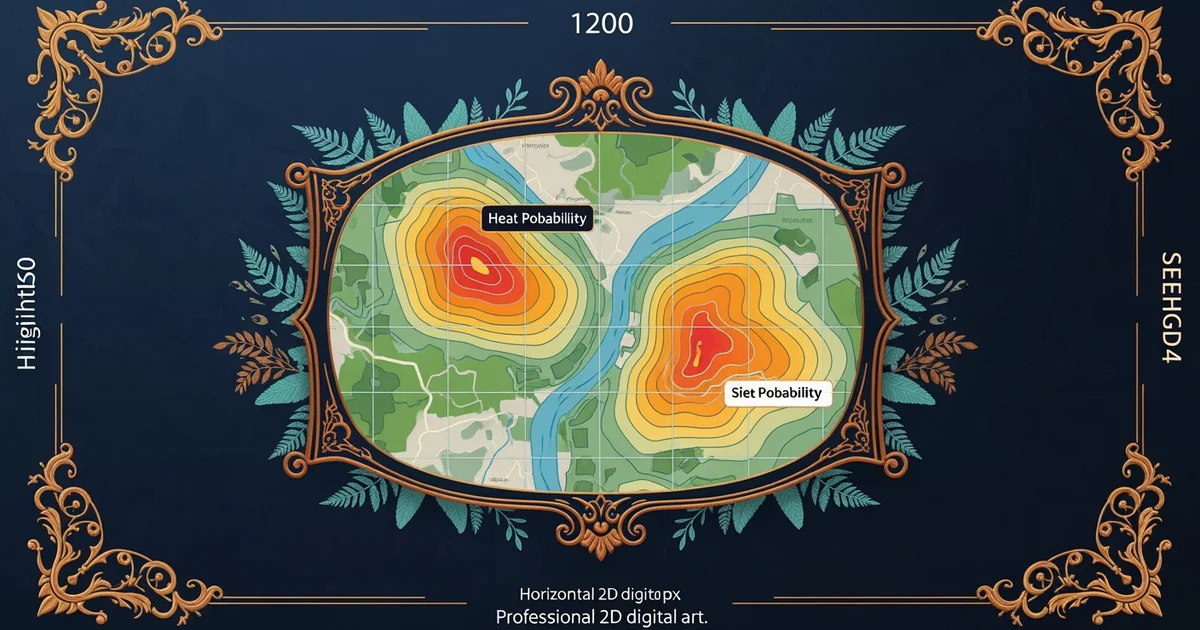
Archaeological predictive modeling is a scientific method used to locate unknown historical sites. Researchers use statistical tools to map where ancient people lived in the past. By examining the environment, we can guess where humans likely built their homes. This field combines history, geography, and math to save time during excavations. Instead of digging everywhere, experts focus on areas with high probability scores. This approach helps us protect heritage sites before construction projects begin nearby. It is a powerful tool for modern archaeology in our changing world today.
Why We Need Predictive Tools
Modern development often threatens to destroy unknown archaeological sites before we find them. Predictive models act as a shield for these hidden pieces of our history. By identifying high-risk areas, archaeologists can plan surveys before bulldozers arrive on site. This proactive strategy saves significant amounts of time and limited research funding. It also ensures that we do not miss important evidence of past cultures. Many regions now require these models to assess land before any building starts. This process turns guesswork into a data-driven search for our shared human heritage.
The Logic of Human Settlement
Humans have always made choices based on the resources available in their surroundings. They preferred to live near fresh water sources for drinking and daily travel. Flat land near rivers was ideal for farming and building sturdy permanent structures. High ground was often chosen for safety from floods or attacking enemy groups. By measuring these environmental factors, we create a clear picture of ancient preferences. We turn these observations into numbers that a computer can read and process. This logic forms the backbone of every successful predictive model in archaeology today.
# Example of simple probability for site location
water_proximity = 0.5
flat_terrain = 0.3
resource_access = 0.2

# Total site probability score
site_score = water_proximity + flat_terrain + resource_access
print(f"The predicted site score is {site_score}")
The code block above shows how we calculate a score for land. If the score is high, the area is likely to hold sites. We assign weights to each factor based on known historical data. This allows us to compare different plots of land with ease. The logic is simple but requires accurate data to be truly effective. We must ensure our input data is clean and highly reliable.
Connecting Data to Landscapes
To build a good model, we need many different layers of spatial data. We use satellite imagery to see current land use and vegetation cover. Soil maps tell us where ancient people could grow crops for food. Topographic maps show us the slope of the land in great detail. We combine these layers to create a map of the entire study region. Each layer adds a piece of the puzzle to our predictive map. When we overlay these layers, the most likely spots for sites appear. This digital process allows us to see the landscape like never before.
Challenges in Modern Modeling
Modeling is not perfect because human behavior was often complex and unpredictable. Sometimes people lived in places that seem strange to our modern eyes. They might have moved due to trade, religion, or changing climate patterns. A good model must account for these subtle shifts in human social behavior. We also face the problem of missing data from past survey efforts. Many areas remain unmapped, which makes our predictions harder to verify fully. Despite these challenges, the field continues to grow with new technology. We are learning more about our past than any generation before us.
The Role of Statistical Analysis
Statistics allow us to identify patterns that the human eye might miss. We look for correlations between known sites and specific landscape features like rivers. If most sites are within one mile of water, we test that theory. We use software to run these tests across thousands of acres at once. This mathematical rigor prevents us from relying only on our own biases. It gives us a solid foundation to support our claims about ancient life. Science relies on this objective approach to build knowledge over long periods. We use math to turn our curiosity into hard, verifiable historical facts.
Looking Toward the Future
As computer power grows, our models will become faster and much more accurate. We are starting to use machine learning to find patterns in massive datasets. This technology can learn from our mistakes and improve its own predictive ability. We will soon see models that update themselves as new data arrives daily. This will change how we protect and study the history of our planet. It is an exciting time to be involved in the field of archaeology. We are using the best tools of today to reveal the secrets of yesterday.