
Hazardous Waste Handling
When a chemical plant in Bhopal leaked toxic gas in 1984, the world saw the high price of poor safety standards. This tragedy serves as a grim reminder that hazardous waste is not just trash but a volatile threat to entire communities. Engineering teams must prioritize containment protocols to ensure that dangerous materials remain isolated from the environment at all times. By applying strict safety measures, we transform potential disasters into managed processes that protect human health and natural ecosystems.
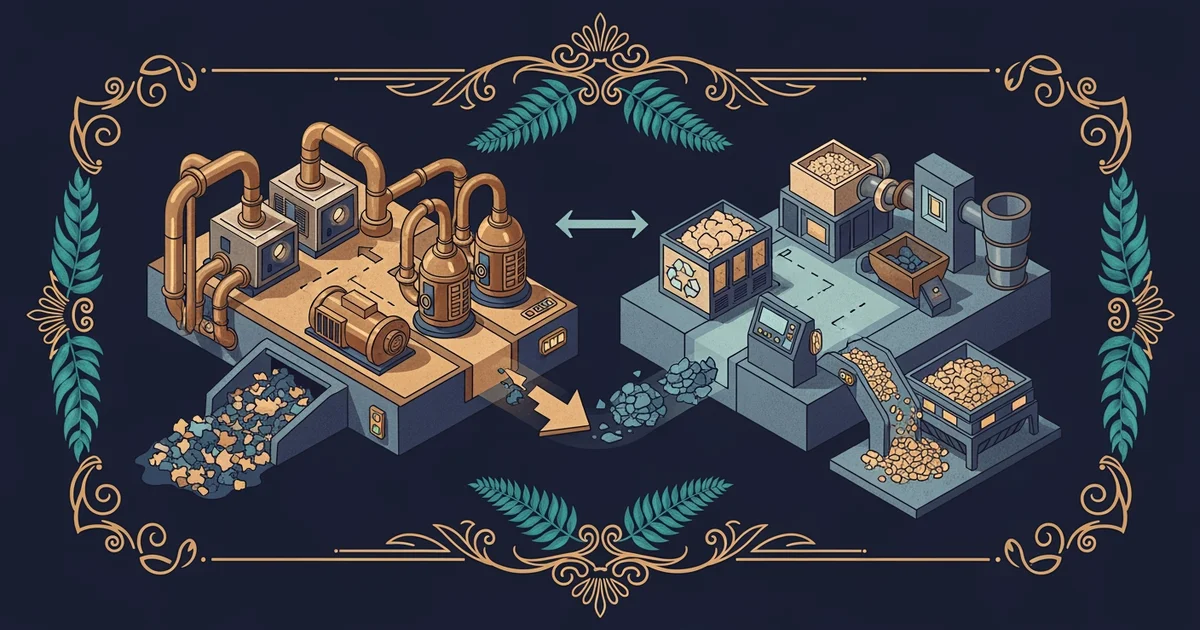
Establishing Secure Containment Protocols
To manage industrial waste effectively, engineers rely on a process known as hazardous waste handling. This systematic approach treats dangerous substances like a ticking clock that requires constant monitoring and precise containment. Much like a high-stakes financial vault that protects physical currency from theft, robust storage facilities protect the public from chemical exposure. Engineers design these systems using multiple layers of security to prevent leaks or accidental reactions. They must account for the chemical nature of the materials, ensuring that reactive substances stay separated to avoid combustion or toxic gas generation.
Key term: Hazardous waste handling — the rigorous engineering process of storing, transporting, and disposing of materials that pose substantial threats to human health or the environment.
Effective containment requires a structured sequence of operations to maintain safety standards. The following steps ensure that materials move safely from the point of origin to a final storage site:
- Identification involves classifying waste types based on chemical properties like acidity or reactivity to ensure compatible storage.
- Stabilization occurs when engineers treat waste to reduce its toxicity or mobility, making the material safer for long-term storage.
- Encapsulation seals the hazardous waste within physical barriers like steel drums or concrete liners to prevent environmental leaching.
- Monitoring uses sensor arrays to track temperature or pressure changes, alerting staff if containment integrity begins to fail over time.
Engineering Safety Through System Design
Building on these containment steps, engineers must also consider the physical environment where they store the waste. Proper facility design prevents accidents by using advanced materials and logical site planning to minimize risk. The layout of a disposal site often follows a specific hierarchy of controls to mitigate potential harm. This is the application of safety engineering principles from Station 10, which focused on risk mitigation in logistics. By placing the most volatile items in reinforced, climate-controlled bunkers, engineers create a buffer zone that shields the rest of the facility from accidental triggers.
| Control Type | Purpose | Example Application |
|---|---|---|
| Engineering | Isolate | Sealed containment |
| Administrative | Manage | Regular safety audits |
| Personal | Protect | Specialized gear |
This table shows how different safety layers work together to create a secure environment. Engineering controls, such as automatic shut-off valves, provide the first line of defense against leaks. Administrative controls, like strict shift logs, ensure that personnel follow safe handling procedures at all times. Personal protective equipment serves as the final barrier, shielding workers if other systems experience a malfunction. By layering these defenses, engineers create a resilient system that can withstand human error or unexpected physical stress.
Engineers must also consider the long-term stability of the storage environment to prevent future degradation. Materials that remain stable today might become corrosive over several decades, requiring durable materials for storage containers. Robotics often play a key role in this stage, allowing machines to handle dangerous substances without exposing human workers to direct risks. These autonomous systems can perform repetitive tasks with high precision, reducing the chance of spills during the transfer process. By integrating robotic monitoring with human oversight, the industry achieves a higher level of safety than manual handling alone could provide.
Modern safety engineering transforms hazardous materials into contained, low-risk assets by using layered physical barriers and automated monitoring systems.
But this model of containment faces new challenges when storage sites reach capacity and require complex, long-term decommissioning strategies.