
Leachate and Gas Control
Rainwater filtering through piles of trash creates a toxic liquid that threatens the local water supply. Engineers must capture this liquid before it leaks into the soil and harms the environment.
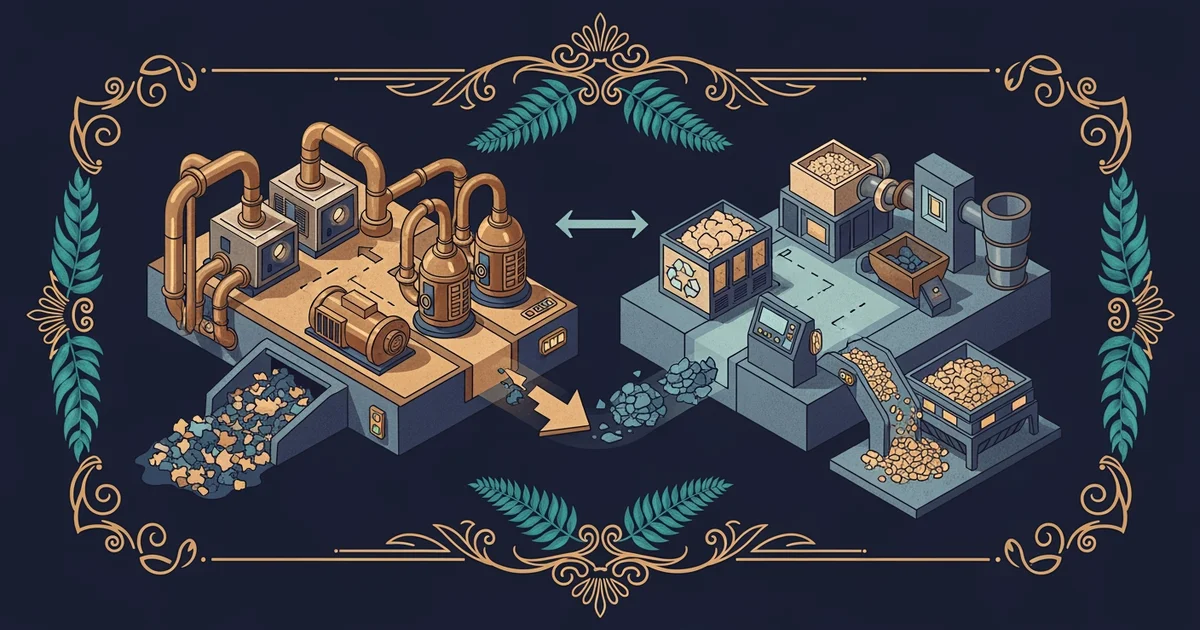
Managing Landfill Fluids
When rain hits the surface of a landfill, it moves through layers of decomposing waste. This process picks up dissolved chemicals and heavy metals to create a liquid known as leachate. If left alone, this fluid seeps downward and can contaminate groundwater sources that supply nearby communities. Engineers design complex collection systems at the bottom of every landfill to prevent this danger. These systems use a network of pipes and synthetic liners to catch the fluid before it travels too far. Think of the landfill as a giant sponge that needs a drainage tray underneath to keep the counter dry. By routing this liquid to a central treatment plant, engineers ensure the waste remains contained within the site boundaries. This management strategy keeps the surrounding ecosystem safe from the harmful effects of synthetic and organic pollutants.
Controlling Landfill Gases
As organic waste breaks down without oxygen, it produces a mix of gases like methane and carbon dioxide. This process is called anaerobic decomposition and creates pressure that can push gas through the soil. If this gas escapes into the atmosphere, it contributes to climate change and creates potential fire risks. Engineers install vertical wells throughout the landfill site to draw these gases out before they migrate away. These wells act like straws that pull the gas into a collection header for processing or energy generation. Managing this gas requires careful monitoring of pressure levels to ensure the system pulls enough volume without causing surface cracks. The following table outlines the main components used to manage these subsurface gases and liquids effectively:
| Component | Primary Function | Engineering Material |
|---|---|---|
| Liner | Prevents leakage | High-density plastic |
| Pipe | Directs flow | Perforated polymer |
| Well | Extracts gas | Steel or concrete |
These components work together to maintain a stable environment within the landfill structure. By regulating the flow of both liquid and gas, engineers transform a messy pile of trash into a controlled chemical reactor. This reactor must be balanced to prevent structural failures or environmental leaks that could compromise the entire waste facility site.
Key term: Leachate — the contaminated liquid generated when water percolates through layers of decomposing solid waste materials.
Engineers must also consider the chemical makeup of these byproducts when designing their treatment plants. Different types of waste produce unique liquid signatures that require specific biological or chemical treatment steps. For example, some sites use large ponds to aerate the fluid and break down complex organic compounds. Other sites rely on reverse osmosis to strip away heavy metals and salts before discharging the clean water. This multi-stage approach ensures that the discharge meets strict safety standards before entering the local water cycle. The goal remains to neutralize the waste byproducts so that they do not impact future generations. By combining physical barriers with chemical treatment, modern landfills act as responsible stewards of the land while managing the inevitable output of our consumption habits.
Engineers protect the environment by installing collection systems that capture hazardous liquids and gases before they escape the landfill boundaries.
But what does it look like when we move these materials from the landfill to the collection facility?