
Waste-to-Energy Combustion
Imagine a modern city that powers its streetlights by burning the contents of your kitchen trash bin. This process turns piles of discarded waste into a reliable source of electricity for thousands of homes. Engineers design these systems to capture the hidden energy locked inside everyday materials that we otherwise throw away. By using high-heat technology, they change unwanted items into useful power that sustains our modern grid. This transformation process represents a major shift in how we handle the growing volume of global waste.
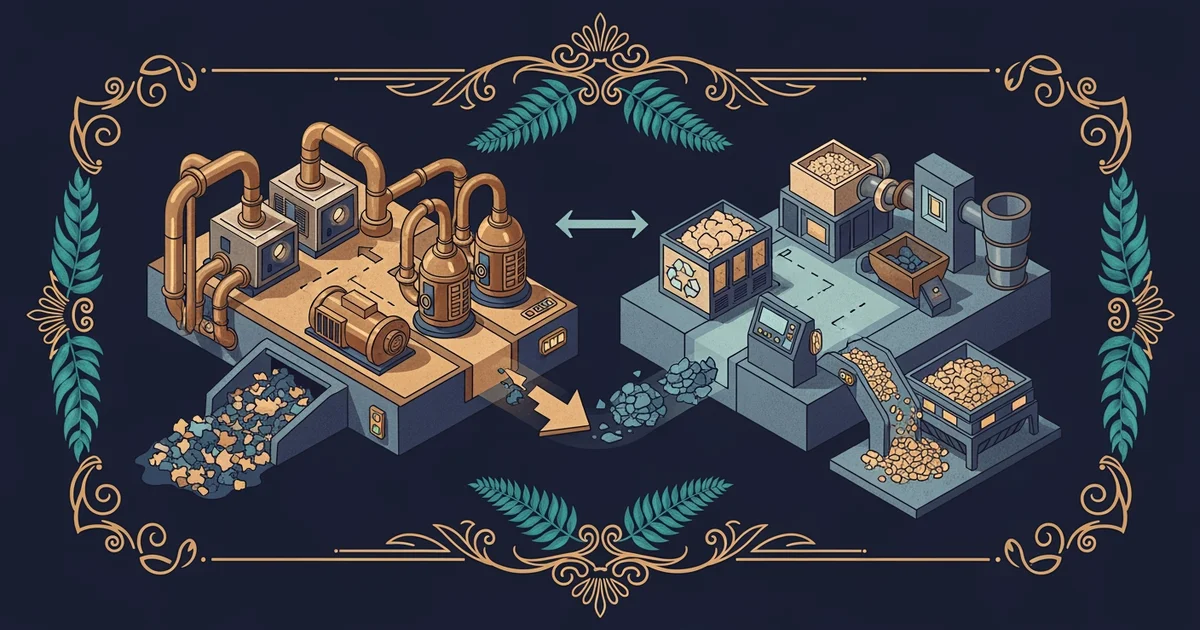
The Engineering of Thermal Recovery
Waste-to-energy systems rely on a process called incineration to release the chemical energy stored in trash. When waste enters a large furnace, it burns at extremely high temperatures to ensure complete breakdown of materials. This heat boils water in nearby pipes, which creates high-pressure steam that spins massive metal turbines. The spinning motion drives a generator to produce electrical current for the local power network. Think of this process like a traditional wood stove that heats a home, but it uses trash and industrial-scale technology to provide electricity for a whole community instead.
Key term: Incineration — the industrial process of burning solid waste at high temperatures to reduce its volume and generate energy.
Engineers must manage the gas produced during this burn to keep the surrounding air clean and safe. They use scrubbers and filters to catch harmful particles before the smoke leaves the tall chimney stacks. This scrubbing technology ensures that the energy recovery process does not damage the environment while it creates power. Without these advanced cleaning layers, burning trash would release pollutants that degrade the quality of life for nearby residents. The goal is to maximize energy output while keeping environmental impacts well below strict safety limits.
Comparing Modern Combustion Methods
Different systems use specific techniques to handle the variety of items found in our daily waste stream. Engineers choose the right technology based on the moisture level and the energy density of the trash. The following table highlights three common approaches used to manage waste and extract usable heat energy efficiently:
| Technology Type | Primary Mechanism | Best Waste Input | Output Efficiency |
|---|---|---|---|
| Mass Burn | Direct combustion | Mixed municipal | Moderate output |
| Refuse Derived | Shredded fuel | Sorted paper/wood | High consistency |
| Gasification | Thermal breakdown | Plastic and tires | Very high yield |
Each approach requires precise control of oxygen levels to maintain steady heat for the steam pipes. Mass burn systems handle raw waste, while refuse derived systems require extra steps to prepare the fuel. Gasification works differently by heating waste without enough oxygen to cause full combustion, which creates synthetic gas. This synthetic gas serves as a cleaner fuel source for burning in a second step to generate extra electricity. Choosing the right method depends on the specific goals of the local waste management facility and their budget.
Modern combustion plants act like massive, high-tech recycling centers that produce power as a secondary benefit. They reduce the total volume of trash by ninety percent, which saves valuable space in our local landfills. This reduction helps cities manage their land use more effectively while they generate clean energy for the public. By converting trash into electricity, these plants solve two problems at once for the growing population of our planet. The engineering behind these systems continues to improve as we find new ways to sort materials before they reach the furnace.
Modern combustion engineering transforms discarded materials into a reliable power source by capturing the chemical energy released during controlled high-heat thermal breakdown.
The next Station introduces composting and organics, which determines how natural waste materials decompose into soil nutrients.