
Defining Waste Management Engineering
Imagine your household trash bin sitting on the curb, waiting to be taken away to a distant landfill. Most people assume that once the truck pulls away, that material simply disappears from existence forever. In reality, that trash represents a complex flow of physical matter that requires precise engineering to manage safely. We treat our waste as a final destination, but engineers view every discarded item as a resource currently waiting for a new purpose. This shift in perspective defines the entire field of waste management engineering as a vital modern discipline.
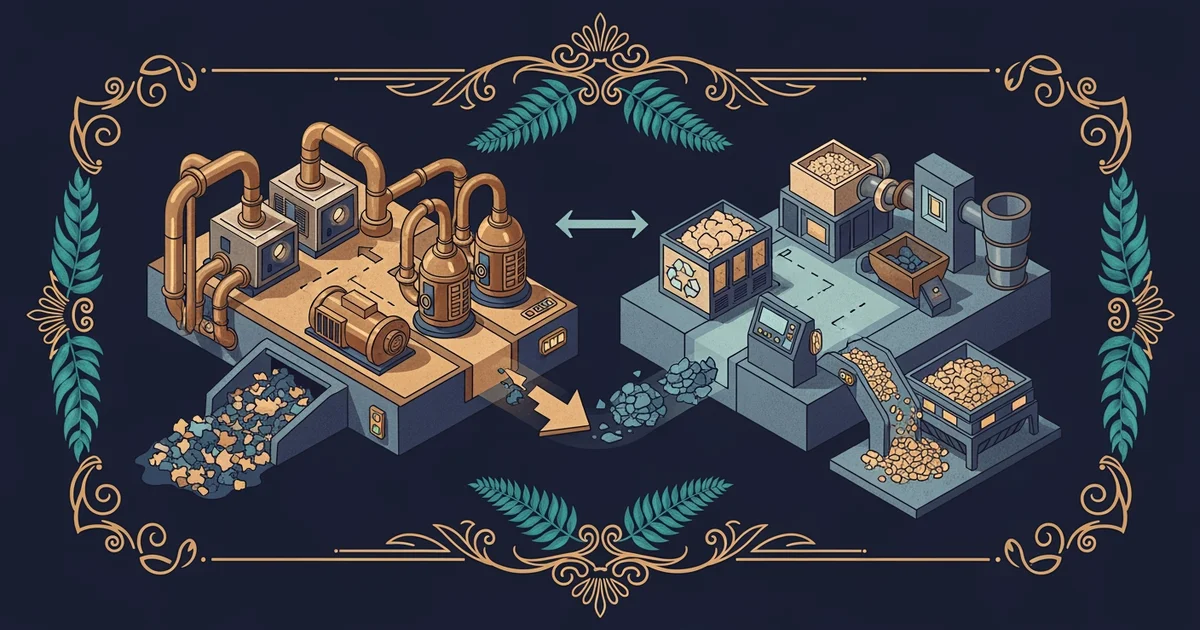
The Core Principles of Waste Engineering
Waste management engineering functions as the backbone of our public health and environmental protection systems globally. It involves the application of scientific methods to collect, process, and recover materials from our daily discarded items. Engineers design systems to ensure that trash does not contaminate our air, our water, or our soil. Think of this process like managing the plumbing in your own home to prevent leaks from causing damage. Just as a plumber keeps water flowing in the right pipes, a waste engineer keeps materials moving toward recycling centers or safe disposal sites. Without these engineered systems, our cities would quickly become overwhelmed by hazardous refuse that threatens the health of every single resident.
Key term: Waste management engineering — the professional practice of designing systems to collect, treat, and dispose of human waste while maximizing resource recovery.
Engineers must constantly balance the need for cleanliness with the need for environmental sustainability and efficiency. They use data to track exactly how much waste a city produces and what types of materials are included. This data allows them to build facilities that convert trash into usable energy or raw materials. The goal is to move away from simply burying items in the ground toward a circular model. In this circular model, everything we use is eventually returned to the production cycle as a valuable input. This requires clever mechanical designs that can sort plastics, metals, and organic matter automatically at high speeds.
Transforming Discarded Materials into Resources
Modern waste engineering relies on several key technical processes to ensure that discarded materials do not become environmental liabilities. These processes prioritize the separation of items based on their chemical properties and their potential for reuse in manufacturing. Engineers categorize these management strategies by their primary function within the larger urban infrastructure:
- Material recovery facilities use advanced sensors to identify and sort different types of plastics and metals for recycling.
- Anaerobic digestion systems break down organic food scraps to produce methane gas which generates clean electricity for homes.
- Thermal conversion plants process non-recyclable items at high temperatures to create energy while minimizing the volume of remaining ash.
These systems work together to ensure that our discarded items are treated as assets rather than burdens. By using these methods, engineers can reduce the amount of land needed for landfills significantly over time. Each facility acts as a link in a chain that connects our consumption habits back to the production of new goods. This chain is the only way to maintain a high quality of life while protecting the natural world for those who come after us.
| Process | Primary Input | Primary Output | Main Benefit |
|---|---|---|---|
| Recycling | Plastics/Metals | Raw materials | Saves energy |
| Digestion | Food scraps | Methane gas | Renewable power |
| Thermal | Mixed waste | Heat/Steam | Volume reduction |
By analyzing this table, you can see how different engineering solutions target specific types of waste for maximum benefit. Each row represents a different way to extract value from what we might otherwise throw away without thinking. The ultimate objective is to create a system where almost nothing is wasted, and every material reaches its full potential. This requires constant innovation and a deep understanding of both chemistry and mechanical design to keep the system moving forward.
Modern waste management engineering transforms our discarded materials into sustainable resources by designing complex systems that prioritize material recovery and environmental safety.
By the end of this path, you will understand how these systems function and how they contribute to a healthier planet for future generations.