
Sanitary Landfill Design
Rainwater hitting a trash mound creates a toxic liquid that threatens our local water supply. Engineers must stop this fluid from moving into the ground near our homes.
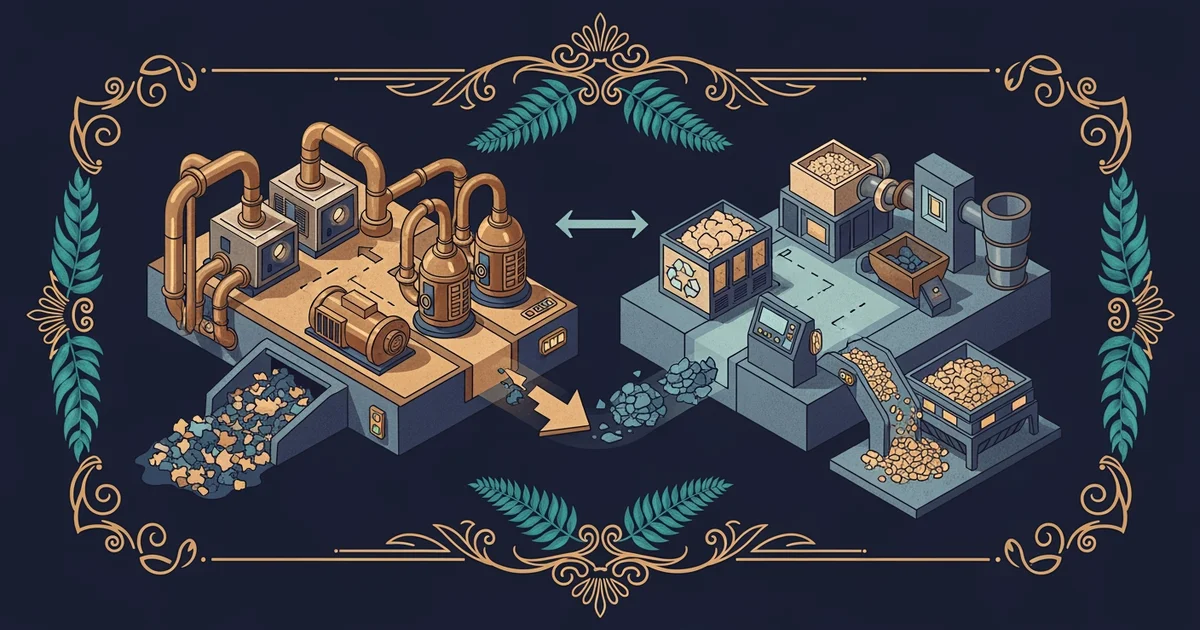
Engineered Protection for Soil
Modern landfills use advanced design to keep waste separate from the environment. They act like a giant bathtub built deep into the earth. The bottom of this tub needs a strong barrier to prevent leaks. Engineers install a geomembrane to serve as a thick plastic shield. This sheet stops liquid from touching the soil beneath the trash. Without this layer, harmful chemicals would sink into the water table. The design must ensure that nothing escapes the base of the landfill. We rely on these barriers to keep our drinking water clean and safe.
Think of the landfill like a high-tech kitchen sponge inside a waterproof bowl. If you pour water over a sponge, the liquid eventually drips out the bottom. A landfill liner acts as the bowl that catches all the liquid runoff. If the bowl has even a tiny crack, the mess will reach the counter. Engineers use heavy machinery to press the soil and plastic together. This creates a secure seal that lasts for many decades. They also test the barrier for leaks before adding any trash. This process ensures that the containment system works exactly as planned.
Managing Toxic Liquid Runoff
Once the liner is in place, the system must handle the liquid that collects inside. This liquid, known as leachate, forms when rain filters through the trash layers. It gathers many dangerous chemicals as it moves through the waste pile. Engineers build a network of pipes at the bottom of the pit. These pipes slope toward a central collection point for safe removal. The leachate then goes to a treatment plant for cleaning and processing. This prevents the liquid from building up and putting pressure on the liner. You can see the components of this system below:
| Component | Primary Function | Materials Used |
|---|---|---|
| Liner | Prevents leakage | Plastic sheets |
| Pipes | Collect liquid | Perforated PVC |
| Pump | Moves leachate | Electric motors |
Every part of this system works together to keep the site stable. The pipes must stay open to ensure the liquid keeps flowing out. Engineers check the flow rate to see if the system is working well. If the pipes clog, the pressure might cause a leak in the liner. They use regular maintenance to keep the drainage system clear of debris. This careful management turns a potential disaster into a controlled industrial process.
Key term: Leachate — the contaminated liquid that drains from a landfill after rain passes through the waste.
Engineers also add a layer of gravel above the liner to protect the plastic. The gravel helps the leachate flow toward the collection pipes more easily. This layer also provides a cushion for the waste dumped on top. By layering these materials, we create a safe zone for our daily trash. This engineering approach turns a dirty problem into a managed cycle of protection. We owe our current environmental safety to these hidden layers of plastic and stone. Every landfill site serves as a testament to our ability to contain our own waste. The design process remains the most important part of keeping our planet healthy for the future.
Modern sanitary landfills use synthetic liners and drainage networks to isolate waste and prevent toxic liquids from contaminating groundwater.
The next Station introduces waste-to-energy combustion, which determines how we burn the remaining trash to create electricity for our homes.