
Sustainable Water Futures
Imagine your city facing a day with no running water from any tap. You would quickly see how every activity depends on a steady, clean supply. Water conservation is no longer just a suggestion for gardeners or local farmers. It is a vital requirement for every person living in our modern, crowded world. We must rethink how we use our most precious liquid resource today.
Managing Our Shared Resources
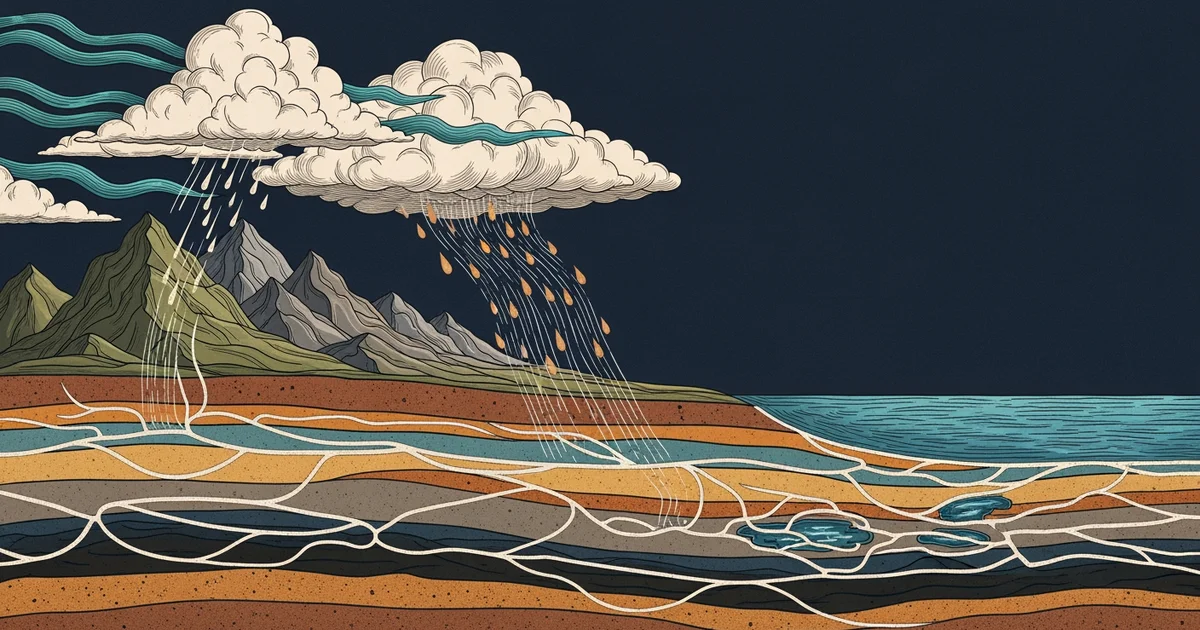
To keep our water supplies safe, we must view water as a limited bank account. If you spend more money than you earn, your bank account eventually hits zero. Our planet acts like a bank for water, holding a set amount in lakes and underground aquifers. When we pump water faster than nature can refill those sources, we face a deficit. We must balance our withdrawals with the natural recharge rates of our local environments. This economic analogy helps us understand why saving water protects our future stability.
Key term: Aquifer — a large underground layer of rock or sand that holds water and provides a source for wells.
We can improve how we manage these systems by focusing on three main areas of daily life. First, we must upgrade our old pipes to stop leaks that waste millions of gallons. Second, we must change our farming habits to use drip irrigation instead of wasteful spray methods. Third, we must recycle wastewater for industrial use rather than dumping it into the ocean. These steps allow us to stretch our current supplies while we wait for new rain to fill the basins.
Designing Local Conservation Plans
Creating a plan for your home or city starts with measuring exactly how much water you use. You cannot fix a problem if you do not know the size of the leak. Most people do not realize how much water goes down the drain during simple tasks. By installing low-flow fixtures, you can cut your home water use by thirty percent. These devices restrict the flow of water without changing the pressure you feel at the tap. It is a simple way to make a big difference without changing your daily routine.
Local governments also play a massive role in building a sustainable future. They must enforce laws that protect wetlands, which act as natural filters for our drinking supply. When we build new houses, we should require rain barrels to catch water for lawns. This simple change reduces the strain on city pipes during the dry summer months. The following table compares three common ways to reduce water waste in a typical residential neighborhood.
| Method | Primary Benefit | Ease of Setup | Cost Level |
|---|---|---|---|
| Rain Barrels | Reduces runoff | Very easy | Low |
| Low-Flow Heads | Saves indoor use | Very easy | Low |
| Xeriscaping | Saves lawn water | Moderate | Medium |
These methods show that conservation is not just about using less; it is about using smarter tools. When we combine these local actions with better engineering, we create a resilient system. This resilience helps us survive the droughts that climate change impacts bring to our regions. By connecting the movement of water to our own choices, we sustain life for everyone on the planet. We are the stewards of the cycle that keeps our geography green and our cities thriving for years to come.
Sustainable water futures require us to balance our consumption with natural replenishment while using smart technology to minimize waste.
Understanding how to manage water locally is the final step in mastering the complex hydrological systems that shape our physical world.