
Watershed Management
Imagine a heavy rainstorm hitting a paved parking lot instead of a grassy forest floor. The water rushes away instantly because the hard surface prevents the ground from soaking it up. This simple observation highlights the core of watershed management, which is the study of how human activity alters the natural flow of water across our landscapes. A watershed acts like a giant funnel that collects rain and snow, directing it toward a common outlet like a stream or a lake. When we build roads or cities, we change the shape of that funnel and affect the health of the entire ecosystem downstream.
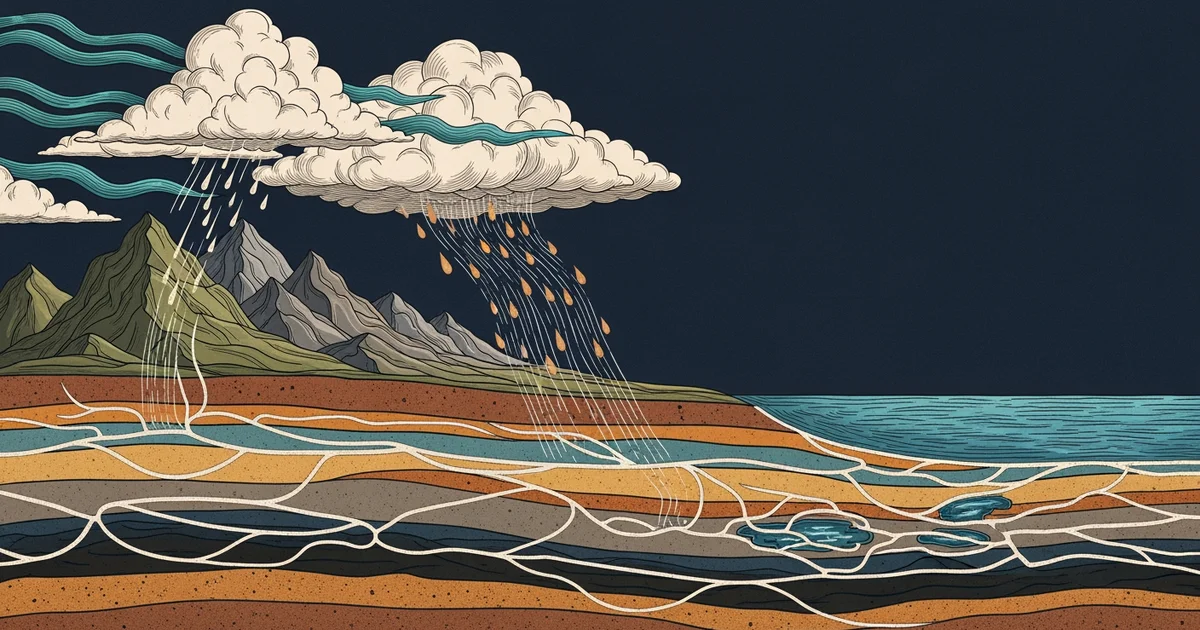
Human Impact on Natural Drainage
Natural landscapes are designed to slow down water, allowing it to filter through soil and replenish underground supplies. Forests and wetlands act like giant sponges that hold moisture during wet periods and release it slowly during dry seasons. When humans replace these natural sponges with concrete, we create a system that moves water too quickly. This rapid runoff often carries pollutants from our streets directly into the water supply. Managing a watershed requires us to balance the needs of modern infrastructure with the natural rhythms of the hydrologic cycle.
Key term: Watershed — a land area that channels rainfall and snowmelt to creeks, streams, and rivers.
Effective management means we must treat the entire basin as a single connected unit rather than isolated parts. If a town upstream decides to clear-cut a forest, the consequences appear as flooding or muddy water in the town located downstream. Think of this like a shared bank account where everyone makes deposits and withdrawals at the same time. If one person spends too much money, the entire group loses the ability to pay for essential services. Protecting the water quality requires cooperation across political borders because water does not recognize city or county lines.
The Role of Dams and Barriers
Engineers often use large structures to control the timing and volume of water moving through a river system. These barriers serve several important purposes for human society, but they also trigger significant changes to the environment.
- Flood Control: Dams hold back excess water during heavy storms, which prevents dangerous flooding in low-lying areas located near the river banks.
- Energy Generation: Moving water spins large turbines inside the dam, creating clean electricity that powers homes and businesses in the surrounding region.
- Water Storage: Reservoirs created by these structures provide a reliable supply of drinking water and irrigation for farmers during long periods of drought.
While these benefits are clear, we must consider the trade-offs that come with blocking a natural waterway. Dams interrupt the movement of fish that need to travel upstream to spawn, which can cause local populations to decline. They also trap nutrient-rich sediment behind the wall, preventing it from reaching the fertile plains located further down the river. Because the river can no longer carry this sediment, the downstream banks may erode more quickly than they would under natural conditions. We must weigh these environmental costs against the immediate needs of the human population relying on the stored water.
| Feature | Natural River | Managed Reservoir |
|---|---|---|
| Flow | Variable and seasonal | Controlled and steady |
| Sediment | Moves downstream | Trapped behind barrier |
| Fish Path | Open and connected | Often blocked or limited |
Managing these systems involves complex choices about how much water to release and when to store it. We must maintain the health of the river while ensuring that cities have enough water to survive. This requires constant monitoring of rainfall, soil moisture, and local usage patterns to make informed decisions. By understanding how the entire system functions, we can better protect our resources for the future.
Effective watershed management balances the human need for reliable water and energy with the environmental requirement to keep natural drainage systems functioning correctly.
Since we have examined how human structures like dams alter river systems, we will now explore how ice and snow behave in the next stage of our journey through glacial hydrology.