
Future Energy Integration
Imagine a massive power grid that never sleeps because the energy source sits right beneath your feet. While solar panels wait for the sun and wind turbines need a breeze, the heat from our planet stays constant and ready for use. Integrating this heat into our current energy systems requires a shift in how we think about power reliability. We must move away from viewing energy as something we harvest only when conditions are perfect. Instead, we should treat geothermal heat as a steady foundation for all other renewable sources. By using this heat as a base load, we create a grid that stays stable even when weather patterns fluctuate wildly.
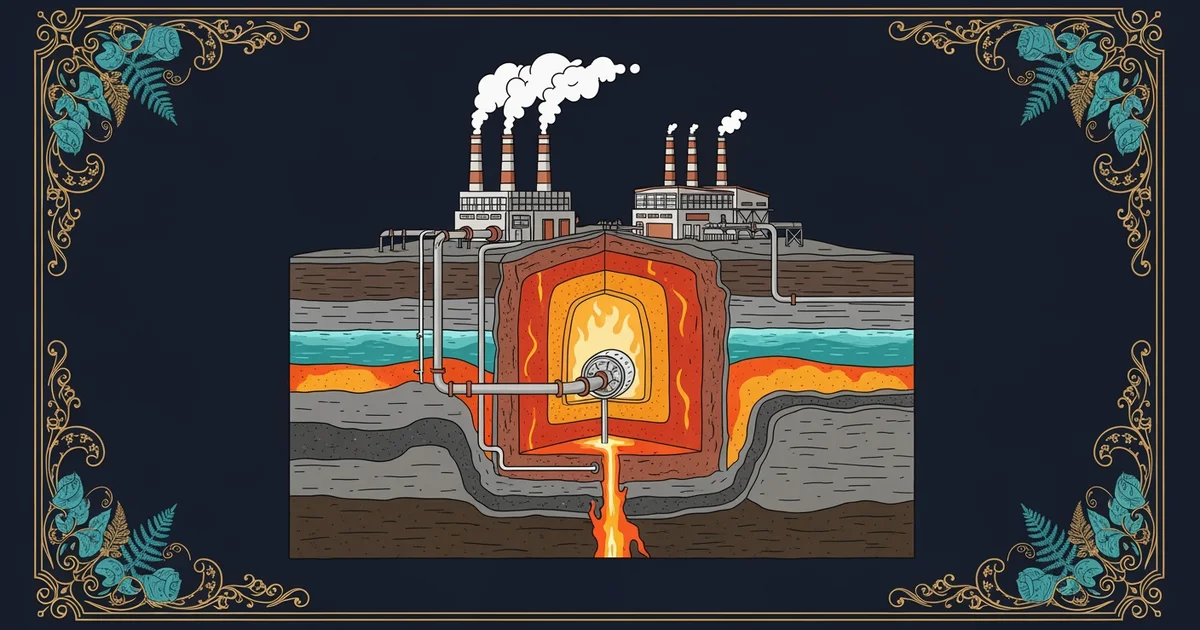
Balancing the Grid with Constant Heat
Integrating geothermal energy allows us to stabilize the grid by providing a steady stream of electricity. Think of the power grid like a busy restaurant kitchen that needs constant heat to cook many different meals. If the oven temperature keeps dropping, the chef cannot finish the food on time for the hungry customers. Geothermal energy acts like a high-quality, reliable oven that stays at the perfect temperature all day long. This reliability allows wind and solar power to act as the side dishes that add variety to the menu. When the wind stops blowing or clouds block the sun, the geothermal base ensures that the entire kitchen keeps running smoothly.
Key term: Base load — the minimum level of electricity demand required on an electrical grid over a twenty-four hour period.
To manage this integration, engineers must design systems that adjust quickly to changing demands from the public. We can combine the steady output of geothermal plants with the flexibility of battery storage systems. This hybrid approach solves the tension between constant supply and variable demand. We previously learned that environmental mitigation helps reduce the footprint of these plants during construction. Now, we must synthesize that knowledge with the need for high-efficiency grid performance. By placing these plants near existing urban hubs, we reduce the energy lost during long-distance transmission. This proximity ensures that the heat beneath our feet reaches homes with maximum efficiency.
Future Strategies for Grid Synthesis
Building a resilient future requires us to rethink how we connect geothermal sources to the existing infrastructure. We can categorize the main benefits of this integration based on how they improve our daily energy consumption patterns.
| Benefit Type | Description of Impact | Role in Future Grids |
|---|---|---|
| Reliability | Provides constant power flow | Acts as a grid anchor |
| Flexibility | Adjusts to sudden demand | Balances peak usage |
| Sustainability | Lowers carbon output levels | Reduces climate impact |
These three pillars ensure that our transition to green energy remains steady and secure for everyone. We must also consider the economic side of this shift as we move toward full integration. Investing in geothermal infrastructure creates long-term value because the fuel source is essentially free and infinite. Unlike fossil fuels, the price of geothermal heat does not fluctuate based on global market instability. This stability makes it an attractive option for local governments looking to lower costs for their citizens. When we combine this economic security with technical reliability, the path forward becomes clear and achievable.
We must address the open question of how deep we can safely drill to maximize heat extraction. Researchers are currently debating the limits of current technology regarding high-temperature environments deep underground. While we have mastered shallow geothermal, reaching the true heat potential requires new materials that can withstand intense pressure. This challenge remains the primary hurdle for the next generation of energy scientists and engineers. Solving this will unlock a near-limitless supply of power for every corner of the globe. If we succeed, the dream of a constant, clean energy grid will finally become our reality.
Integrating geothermal energy as a reliable base load allows us to stabilize modern power grids by balancing the natural fluctuations of solar and wind energy.
The next step involves exploring how enhanced geothermal systems can push these boundaries even further by accessing deeper and hotter rock formations.