
Surface Manifestations
Steam rising from a cracked sidewalk grate might seem like a simple city annoyance, but it often mirrors the massive heat transfer occurring deep beneath our planet. When internal heat finds a path to the surface, it creates visible signs that tell us exactly where the earth is breathing heat outward.
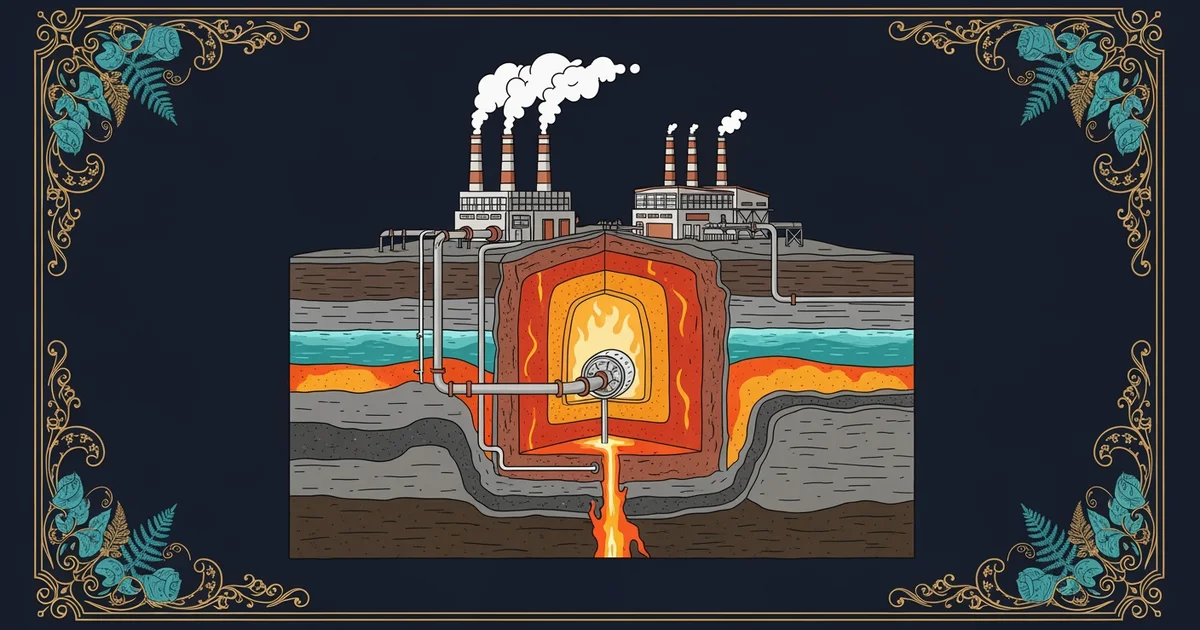
Identifying Surface Heat Indicators
Surface manifestations act like a pressure gauge on a boiler, showing us that intense energy exists just below the ground. These features occur when underground water interacts with hot rock and rises toward the surface through fractures in the crust. Think of the earth as a giant, slow-cooking pot where the lid is the crust and the steam vents are these natural surface features. If you see bubbling water or clouds of vapor, you are looking at a direct connection to the geothermal reservoir below. These features are not just random accidents of nature because they follow specific geological patterns that reveal the hidden plumbing of our planet. By observing these signs, experts can map out where to drill for clean energy without needing to guess what lies beneath the surface.
Key term: Surface manifestations — natural geological features that appear on the ground, indicating the presence of geothermal energy reservoirs below.
Common Types of Geothermal Features
When water reaches the surface, it takes different forms depending on the temperature and the local plumbing of the rock. A geyser is a vent that periodically erupts with hot water and steam because of a narrow, constricted channel that builds up immense pressure. In contrast, a fumarole is a vent that releases only steam and volcanic gases because the water boils away before it reaches the surface. You can identify these different features by their behavior and the types of materials they leave behind on the ground around them. The following table highlights the differences between common surface features found in geothermal areas:
| Feature Type | Primary Output | Typical Behavior | Visible Sign |
|---|---|---|---|
| Geyser | Liquid water | Periodic eruption | Large water column |
| Fumarole | Steam and gas | Constant venting | Hissing vapor cloud |
| Hot Spring | Heated water | Steady flowing | Warm pool surface |
These features serve as a natural guide for energy exploration because they point toward the most active heat zones. When you see a cluster of these manifestations, you know that the subsurface environment is well-connected to deep, hot rock layers. This connection is vital for geothermal power systems because it ensures that heat can be effectively transferred to the surface for human use. Without these natural vents, we would struggle to locate the best spots for tapping into the earth's constant, sustainable heat supply.
Observing these signs requires careful field study to understand the history of the area. Some areas might have once been active but are now cooling down, while others remain hot and dangerous. You must look at the mineral deposits left behind by the water to judge the age and intensity of the heat source. These minerals often form colorful, hard crusts that act as a permanent record of the long-term geothermal activity in that specific location. Learning to read these signs is the first step in turning natural heat into reliable electricity for our homes and industries.
Natural surface manifestations provide the essential visual evidence needed to locate and harness the immense geothermal energy stored deep within the earth.
The next Station introduces Dry Steam Power Plants, which determine how we convert these underground heat sources into usable electrical power.