
Flash Steam Systems
Imagine holding a pressurized soda bottle tightly, then suddenly twisting the cap to release the gas inside. The liquid inside immediately bubbles and foams as the pressure drops, turning into a spray of mist and steam. This simple kitchen experience mirrors how we extract energy from high-pressure underground water reservoirs. When engineers tap into these deep, hot water sources, they use this exact principle to generate electricity for our modern power grids. Unlike dry steam systems that rely on natural vapor, these systems manage liquid water under intense heat.
The Mechanics of Pressure Reduction
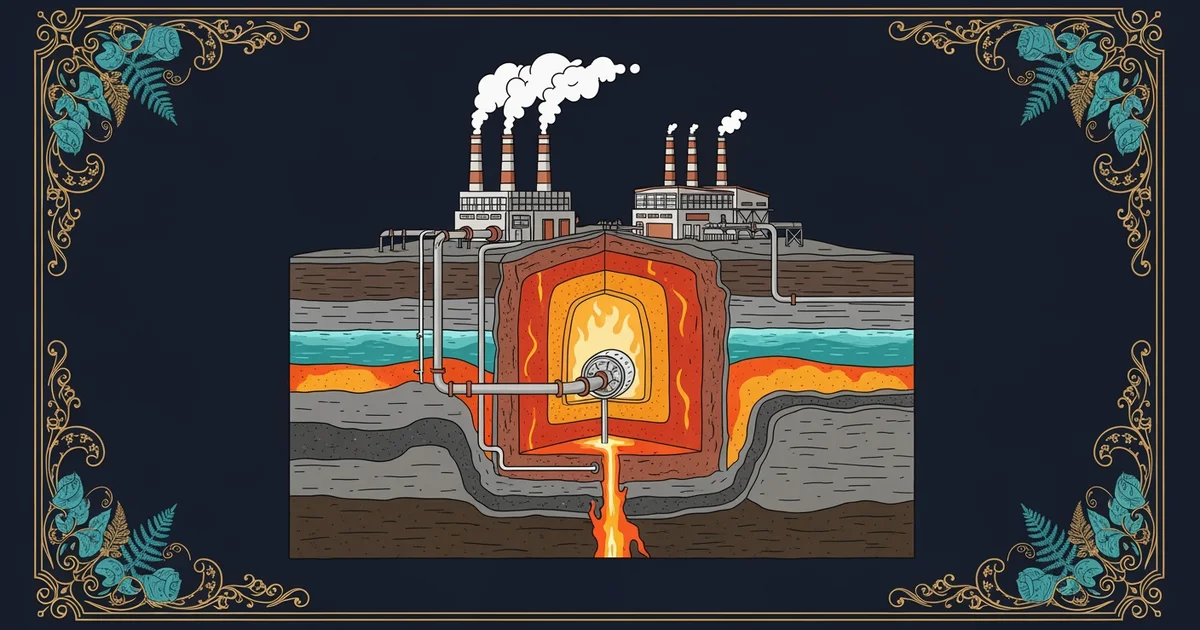
When geothermal fluid travels up from deep wells, it remains in a liquid state because of immense underground pressure. As the fluid rises toward the surface, the weight of the water column above it decreases rapidly. This drop in pressure causes the superheated liquid to flash into steam, which is why we call these flash steam systems. Think of this process like opening a high-pressure valve on a steam engine to release built-up energy instantly. Because the water contains dissolved minerals, engineers must carefully control the flow to prevent pipe damage from mineral buildup. This system works best when the reservoir temperature exceeds two hundred degrees Celsius, ensuring enough energy exists to vaporize the liquid.
Key term: Flash steam systems — power plants that convert high-pressure hot water into steam by rapidly reducing pressure at the surface.
Once the fluid enters the surface equipment, it passes through a device called a flash tank. This tank acts as a separator, allowing the steam to expand while the remaining liquid settles at the bottom. The steam then flows into a turbine, spinning the blades to generate electrical power for the grid. Meanwhile, the leftover hot water is often sent to a second flash tank at even lower pressure. By using multiple tanks, engineers can extract more energy from the same fluid, making the plant much more efficient. This multi-stage approach ensures that we waste as little heat as possible during the conversion process.
Comparing Steam Technologies
Understanding why we choose one system over another requires looking at the source of the geothermal heat. While dry steam plants only work where the earth provides pure vapor, flash steam plants are far more common globally. Most geothermal fields contain hot water rather than pure steam, making this technology essential for widespread energy production. The table below highlights the key differences between these two common geothermal methods for generating electricity.
| Feature | Dry Steam System | Flash Steam System |
|---|---|---|
| Input | Natural steam vapor | Pressurized hot water |
| Complexity | Low mechanical parts | Higher due to tanks |
| Efficiency | High for pure steam | Better for water fields |
| Reliability | Very high uptime | Requires scale control |
Selecting the right technology depends heavily on the chemical composition and temperature of the geothermal resource. If a well produces mostly liquid, a dry steam plant would fail because it cannot handle the water weight. Conversely, a flash plant provides the necessary infrastructure to handle the transition from liquid to gas safely. Engineers must balance the initial cost of building flash tanks against the long-term benefit of higher energy yields. By matching the mechanical design to the specific reservoir type, we maximize the power output from every single well drilled into the crust.
This technology allows us to tap into the most abundant form of geothermal energy found across our planet. By mastering the transition from liquid water to steam, we turn hidden heat into a reliable power source. We must continue to refine these systems to ensure they remain sustainable for future generations to use effectively. As we improve our control over pressure changes, the efficiency of these plants will only continue to rise further.
Flash steam systems generate electricity by forcing high-pressure underground water to vaporize into steam through rapid pressure drops.
But what happens when the geothermal water is too cool to flash into steam effectively?