
Thermal Conductivity
Imagine touching a metal spoon left in a hot cup of tea versus a wooden spoon in the same drink. The metal spoon feels scalding almost immediately, while the wooden one stays cool enough to hold comfortably. This difference happens because materials possess varying abilities to transfer heat energy through their internal structures. In the world of geothermal energy, we call this property thermal conductivity, which measures how easily heat flows through a solid substance. Understanding this flow rate is vital when drilling into the crust to reach the heat trapped deep inside our planet.
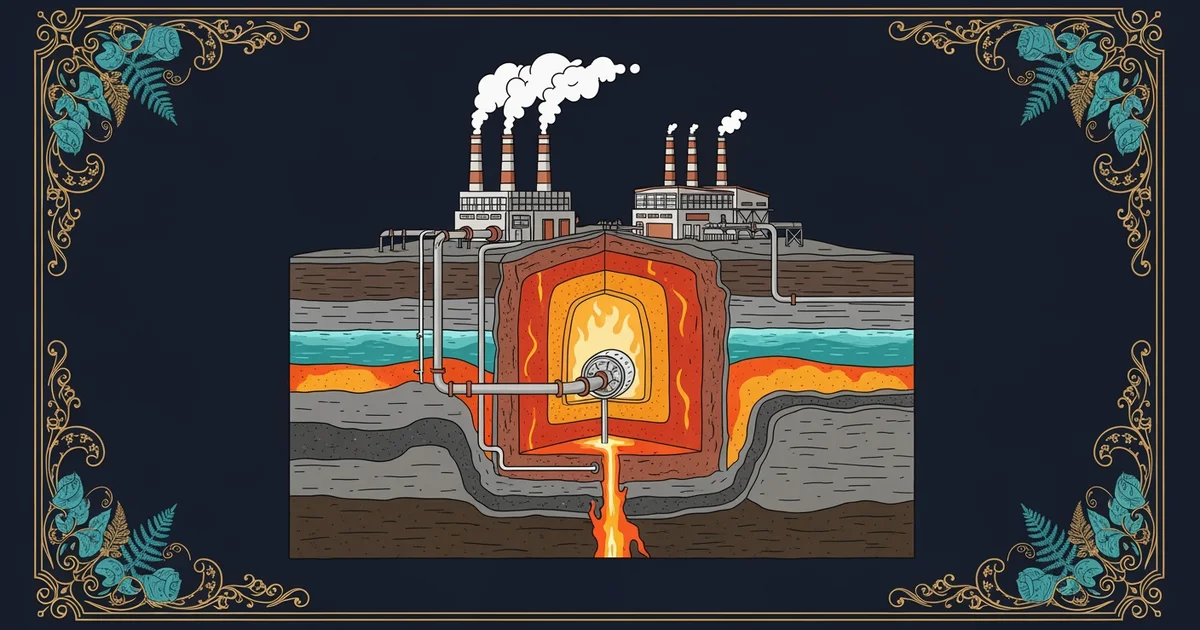
The Mechanics of Heat Transfer
When heat moves through a solid, it travels by vibrating atoms that bump into their neighbors. Think of this like a busy train station during rush hour where commuters push against each other to move forward. In a material with high conductivity, these atomic collisions happen quickly and efficiently, allowing heat to zip through the medium without much resistance. Materials with low conductivity act more like a crowded room where people move slowly and bump into each other with less force. This speed of transfer determines if a rock layer will act as a highway for thermal energy or a stubborn wall that keeps the heat locked tightly away.
Geologists use this property to map out the best locations for geothermal power plants. If we drill into rock that conducts heat poorly, the energy from the reservoir below might never reach our capture systems at the surface. We need to identify rock formations that allow heat to rise steadily toward our geothermal wells. By studying the mineral composition of underground layers, we can predict which areas will provide a constant flow of thermal power for our homes and businesses. This science ensures that we choose the right spots for our infrastructure before we spend millions on drilling equipment.
Key term: Thermal conductivity — a physical property describing a material's inherent ability to conduct heat energy through its internal structure.
Different types of rock have vastly different abilities to move heat based on their density and chemical makeup. For example, solid quartz is excellent at moving heat, while porous sedimentary rocks often trap it. The following table compares how common subsurface materials affect the movement of heat energy:
| Material Type | Conductivity Rating | Impact on Heat Flow |
|---|---|---|
| Solid Granite | High | Rapid transfer of heat |
| Wet Sandstone | Medium | Steady movement of heat |
| Dry Shale | Low | Acts as a thermal barrier |
Analyzing Subsurface Rock Properties
Because we cannot see deep underground, we rely on these conductivity measurements to build accurate models of the Earth. When we analyze core samples from a drill site, we test them to see how quickly they react to temperature changes. This data tells us if the rock will help us extract heat or if it will block our progress. If the rock is too resistant, we might need to adjust our drilling strategy or look for a different site nearby. Every measurement brings us closer to understanding the massive engine of heat that powers our geothermal systems.
Our ability to harness geothermal energy depends entirely on finding these high-conductivity pathways in the crust. If we find a layer of dense, heat-conducting rock, we can tap into a reliable source of power that lasts for decades. The process of mapping these pathways is similar to finding the best pipes for a plumbing system in a house. You would not use thin, leaky pipes to carry water, so we do not use low-conductivity rock to carry heat. We prioritize materials that ensure the thermal energy arrives at our surface plants with maximum efficiency and minimal loss.
Thermal conductivity acts as the primary gatekeeper for geothermal energy by determining how effectively heat travels from deep underground reservoirs to our surface collection systems.
The next Station introduces surface manifestations, which are visible signs of heat flow that indicate where high conductivity might exist.