
Dry Steam Power Plants
Imagine a giant pressure cooker buried deep underground that never needs a stove to stay hot. This natural engine provides a steady flow of high-pressure vapor that spins massive machines to create electricity for our homes. While many geothermal sites produce a mixture of hot water and steam, some rare locations provide pure, dry vapor directly from the earth. These unique sites allow engineers to build elegant, efficient systems that skip the complex water-separation processes found elsewhere. By tapping into these reservoirs, we gain access to a reliable source of power that runs twenty-four hours a day without stopping.
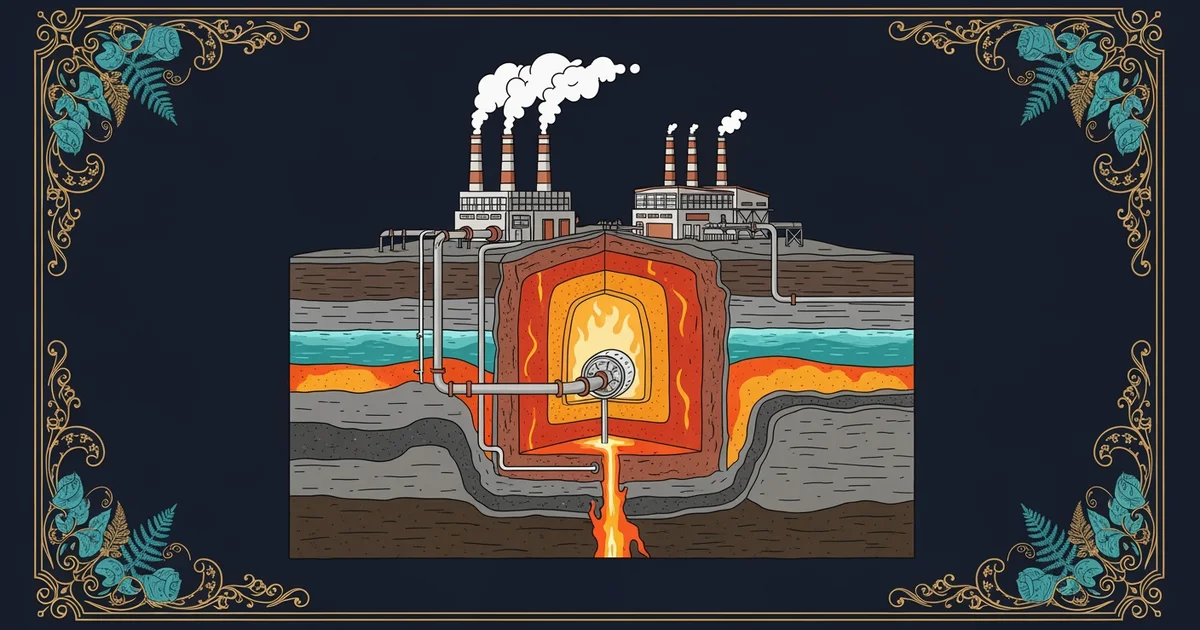
The Mechanics of Steam Extraction
When a borehole reaches a high-temperature reservoir, the pressure difference forces steam up through the well casing. This dry steam contains very little liquid water, which prevents damage to the delicate turbine blades that rotate at high speeds. Because the steam is essentially dry, the system operates much like a simplified version of a traditional coal power plant. Instead of burning fuel to boil water, the earth provides the heat energy needed to turn liquid into gas naturally. This process requires careful management of well pressure to ensure the flow remains consistent for the power generation equipment.
Key term: Dry steam — a geothermal resource consisting of high-pressure water vapor that contains little to no liquid water droplets.
Once the steam reaches the surface, it travels through large pipes toward the power house. These pipes must be heavily insulated to maintain the high temperature and pressure of the vapor. If the steam cools too much, it begins to condense into water, which can erode the turbine blades over time. Engineers monitor these pipelines constantly to ensure that only the driest, most energetic steam enters the turbine. This careful maintenance keeps the entire system running smoothly and avoids the costly repairs associated with wet steam damage.
Turbine Operation and Energy Conversion
Inside the power house, the steam enters a large machine called a turbine that acts like a sophisticated windmill. As the high-pressure steam strikes the curved blades, it forces the central shaft to spin at incredible speeds. This rotational energy connects to a generator, which uses magnets and copper coils to turn motion into electrical current. Think of this process like a bicycle generator that lights up a headlight as you pedal faster. The steam provides the constant, powerful push that keeps the generator spinning, while the bicycle rider represents the natural pressure of the earth.
After passing through the turbine, the steam must be managed so it does not build up dangerous back pressure. Most plants use a cooling system to turn the spent steam back into liquid water. This water is then pumped back down into the ground to help maintain the reservoir pressure for future use. The cycle is highly efficient because it uses the same heat source repeatedly without needing external fuel. By keeping the system closed, we reduce the environmental impact and keep the energy production process clean and sustainable.
| Component | Function | Material Requirement |
|---|---|---|
| Well Casing | Directs steam flow | High-strength steel |
| Turbine | Converts motion | Heat-resistant alloy |
| Generator | Creates current | Copper and magnets |
| Condenser | Recycles water | Thermal conductor |
This table shows the primary parts of the system and their specific roles in the energy cycle. Each part must withstand the harsh conditions of high heat and constant pressure to remain functional. By balancing these components, modern engineers create reliable systems that turn underground heat into a steady supply of electricity. The simplicity of this design makes it one of the most effective ways to utilize geothermal energy on a large scale today.
Harnessing pure steam from the earth allows us to drive turbines directly, creating a simple and efficient cycle for generating constant electrical power.
But what does it look like in practice when the steam contains too much water for these simple systems to handle?
Want this with sources you can check?
Premium Learning Paths for Earth Sciences & Geography are researched against open-access libraries — PubMed, arXiv, government databases, and more — with their distinctive claims cited to real sources and independently checked.
See what Premium includes