
Tectonic Plate Boundaries
Imagine you are trying to find the warmest spot in a crowded room by looking only at where people are bumping into each other. Just like those busy areas in a room, the Earth has specific zones where the crust is constantly shifting and grinding together. These zones, known as tectonic plate boundaries, are the primary locations where intense heat from deep within our planet escapes to the surface. By understanding how these massive puzzle pieces of the Earth interact, we can pinpoint where geothermal energy is most abundant and easiest to harness for our modern power needs.
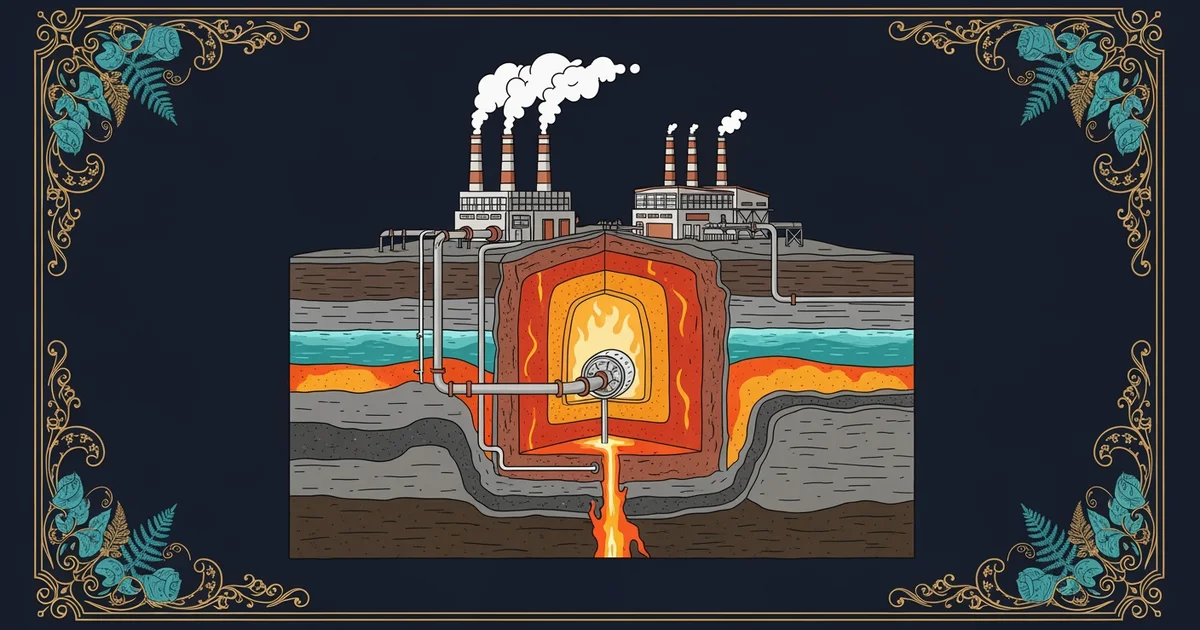
Understanding Earth's Moving Crust
The outer layer of our planet consists of several large, rigid slabs that float on a softer, hotter layer of rock below. These plates are not stationary, but instead they move slowly over long periods due to currents in the mantle. When these plates meet at their edges, they create unique geological conditions that trap and release heat in specific ways. Think of these boundaries like the seams on a baseball, where the edges of the leather cover meet and create a distinct line of activity. Just as the seams are the most likely place for a baseball to show wear, the edges of tectonic plates are where the most heat energy reaches the surface. This heat often manifests as volcanic activity or hot springs, which serve as clear indicators of a geothermal hotspot waiting to be tapped.
Key term: Tectonic plate boundaries — the active zones where large segments of the Earth's outer shell meet, interact, and release internal heat.
When we look at a map of these boundaries, we notice that they are not randomly distributed across the globe. Most of the world's most accessible geothermal energy is located near these active edges because the crust is thinner or fractured there. This geological fracturing acts like a vent, allowing the immense heat from the Earth's core to rise through the mantle and into the crust. If you were searching for a place to build a geothermal power plant, you would prioritize these boundaries over the stable centers of the plates. The centers are often too thick and cool to provide the necessary thermal intensity required for efficient energy production.
Mapping the Heat Flow
Geologists use specialized mapping tools to identify where these plates are moving apart, pushing together, or sliding past one another. Each type of movement creates a different thermal environment, which directly influences how we might harvest the energy stored there. The following table outlines how different plate interactions affect the availability of heat for our human use:
| Plate Movement | Geological Action | Heat Availability | Energy Potential |
|---|---|---|---|
| Divergent | Plates pull apart | High | Excellent |
| Convergent | Plates collide | Very High | Exceptional |
| Transform | Plates slide past | Moderate | Limited |
At divergent boundaries, where plates move away from each other, magma rises to fill the gap, creating a steady and reliable source of heat. Convergent boundaries, where one plate slides beneath another, produce high pressure and friction that generate intense heat zones. These collisions often lead to the formation of mountain ranges and volcanic chains, which are prime locations for deep heat reservoirs. Transform boundaries, while active, usually lack the direct volcanic heat sources that make the other two types so valuable for large-scale energy extraction.
By focusing our efforts on these identified zones, we can turn the Earth's natural restlessness into a consistent power source. Mapping these regions allows engineers to target areas where the heat is closest to the surface, reducing the costs of drilling deep into the crust. This strategic approach ensures that we are not just looking for heat, but looking for the right kind of heat that is both accessible and sustainable for long-term use. As we refine our mapping techniques, we become better at predicting where the next big geothermal breakthrough will occur, ensuring that we can power our world using the natural warmth beneath our feet.
Locating geothermal hotspots requires identifying tectonic plate boundaries where crustal movement creates natural pathways for deep heat to reach the surface.
The next Station introduces hydrothermal reservoirs, which determine how that heat is trapped and stored within underground rock formations.