
Subsurface Flow Dynamics
Imagine pouring a gallon of water onto a vast, hidden sponge buried deep beneath the dry surface of a desert. This water does not simply vanish into thin air because it travels through complex networks of stone and sand. The movement of this liquid beneath our feet dictates how entire ecosystems survive during the hottest months of the year. Understanding these hidden pathways helps us manage the precious resources that keep our modern civilization running smoothly every single day.
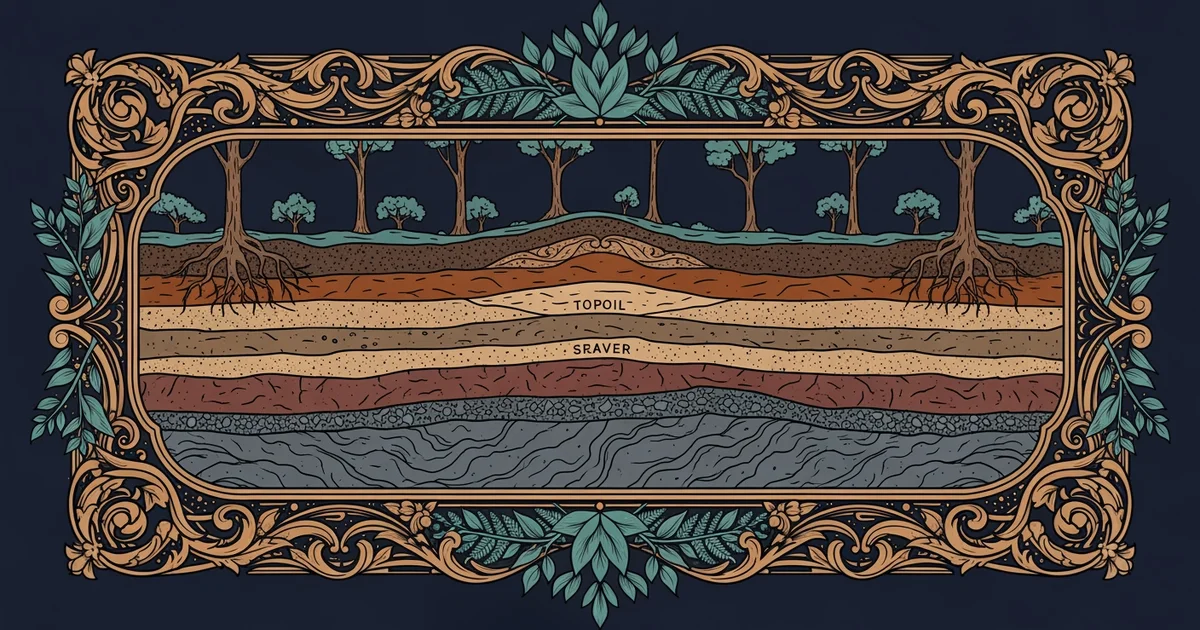
The Mechanics of Subsurface Movement
Water moves beneath the ground through a process known as subsurface flow, which acts like a slow-motion river system hidden from human eyes. When rain falls upon the earth, gravity pulls the moisture downward through tiny gaps found between particles of soil and rock. This process is similar to how money flows through a complex banking system where deposits are stored in various accounts before being withdrawn later. The speed of this movement depends entirely on the size of the gaps between the materials that make up the ground. Large spaces allow for rapid movement, while tiny, tight spaces act as a filter that slows everything down significantly.
Key term: Aquifer — a massive underground layer of water-bearing permeable rock or gravel that stores and transmits water.
Once the water reaches an aquifer, it enters a storage zone that can hold massive amounts of liquid for years or even decades. The pressure exerted by the weight of the water above pushes the liquid through the rock layers in a predictable path. This pressure is the primary driver of movement, much like how interest rates drive the movement of capital through a global financial market. If the pressure remains steady, the flow follows a consistent route toward lower ground or larger water bodies. Scientists track these routes to ensure that we do not drain these natural reservoirs faster than nature can refill them.
Mapping the Hidden Pathways
Mapping these paths requires careful observation of how water levels change in different locations over long periods of time. We use specific tools to measure the depth and flow rate to build a clear picture of the underground landscape. The following factors influence how quickly water travels from one point to another within the subsurface environment:
- Porosity represents the total volume of empty space within the rock, which determines how much water the structure can hold at any given time.
- Permeability refers to the ability of the material to allow water to pass through, which dictates the speed of the flow across the region.
- Hydraulic gradient measures the change in water pressure over a specific distance, acting as the primary engine that pushes water toward lower areas.
These three factors work together to create a dynamic system that changes whenever the surface environment experiences heavy rain or prolonged drought. By studying these variables, experts can predict where water will emerge at the surface or where it might become trapped in deep pockets. This knowledge is essential for building wells that provide reliable water for farms and cities without causing the underground supply to collapse. When we understand these mechanics, we can better protect the quality of the water that everyone relies upon for health and safety.
| Feature | Influence on Flow | Impact on Storage |
|---|---|---|
| Porosity | High capacity | Large volume |
| Permeability | High speed | Low retention |
| Gradient | High force | Faster drainage |
The table above shows how different physical traits of the ground change the way water behaves as it moves deep underground. Porosity allows for larger volumes of water to stay in one place, while high permeability ensures that the water can move quickly to where it is needed most. The hydraulic gradient acts as the final piece of the puzzle by providing the necessary force to move the water along its path. Balancing these factors ensures that we maintain a stable supply of water even when the surface conditions become harsh and unpredictable for local wildlife and human populations.
Subsurface flow dynamics function as a natural filtration and storage system that relies on the physical structure of rock to regulate the movement of life-sustaining water.
But what does it look like in practice when these underground pathways are disrupted by human activity?