
The Role of Weathering
Imagine a jagged mountain peak slowly crumbling into fine sand over millions of years. This constant transformation of solid rock into loose soil drives the health of our entire planet.
The Mechanics of Mineral Breakdown
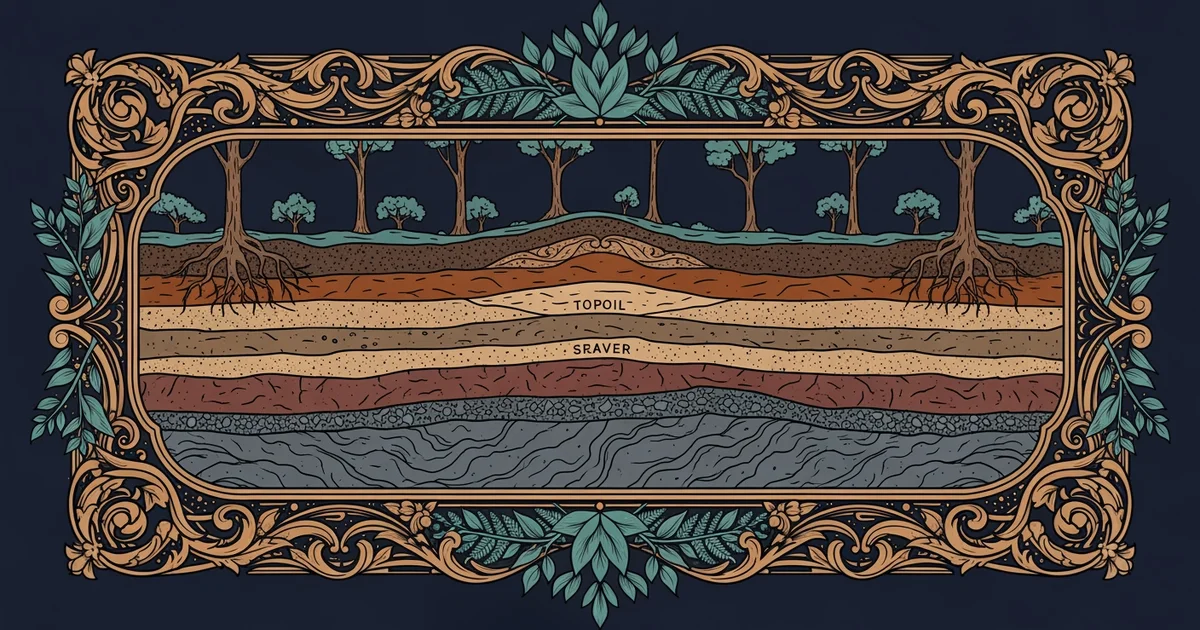
Nature acts like a patient sculptor that carves the Earth through a process called weathering. This essential activity breaks down solid stone into smaller pieces that eventually become the ground beneath our feet. Think of this process like the way a bank account slowly loses value through small, recurring service fees. Over time, those tiny deductions add up and significantly change the total balance of the account. Similarly, rocks face constant pressure from the environment that forces them to lose their original structure. Water, air, and living things act as the agents that drive this slow decay of hard materials.
Chemical changes are the most powerful tools in this natural breakdown of solid stone. When rainwater mixes with gases in the air, it forms a weak acid that eats away at minerals. This reaction transforms hard rock into softer clays and releases vital nutrients into the surrounding environment. Without these chemical reactions, the earth would remain a barren landscape of solid stone rather than a fertile base for life. We rely on this process to turn raw minerals into the building blocks that plants need to grow. Every grain of sand you walk on today represents a piece of a mountain that once stood tall and proud.
Key term: Chemical weathering — the process where water and air react with minerals to change the internal structure of rocks.
Different environments trigger specific types of breakdown that shape the landscape in unique ways. The speed of these changes depends on factors like heat, moisture, and the type of minerals present in the stone. You can observe the primary methods of this breakdown in the following list:
- Oxidation happens when oxygen reacts with iron in rocks to create rust, which weakens the stone and turns it a reddish color.
- Carbonation occurs when carbon dioxide dissolves in water to form a mild acid that slowly dissolves rocks like limestone and chalk.
- Hydrolysis takes place when water reacts directly with mineral crystals to create new, softer materials that crumble away from the main rock body.
The Impact of Surface Exposure
Rocks only begin to change once they are exposed to the elements at the surface of the planet. Deep underground, the conditions remain stable and protected, which prevents the rapid breakdown of mineral structures. Once tectonic forces push rock layers upward, the atmosphere begins its work of dismantling the stone. This exposure creates a cycle where new material constantly replaces the old layers that have already turned into soil. The thin layer of the critical zone acts as a filter that processes these materials before they enter the water supply. This regulatory role ensures that minerals and nutrients remain balanced for all living organisms that depend on the land.
Understanding these mechanisms helps us predict how landscapes will shift as the climate changes over many centuries. As temperatures rise, the rate of chemical reactions often speeds up, which accelerates the conversion of rock into soil. This shift can change how water moves across the land and how much sediment enters our rivers and streams. We must monitor these natural rates to protect the stability of our drinking water and our agriculture systems. The earth is not a static object but a dynamic system that is constantly rearranging its own surface. By studying these shifts, we gain a better understanding of how the world sustains life through the slow, steady decay of stone.
The chemical breakdown of rocks converts solid minerals into life-sustaining soil while simultaneously regulating the flow of water and nutrients across the surface of the planet.
Now that we understand how rocks turn into soil, we will explore how water moves through this layer in the next station.