
The Anthropocene Concept
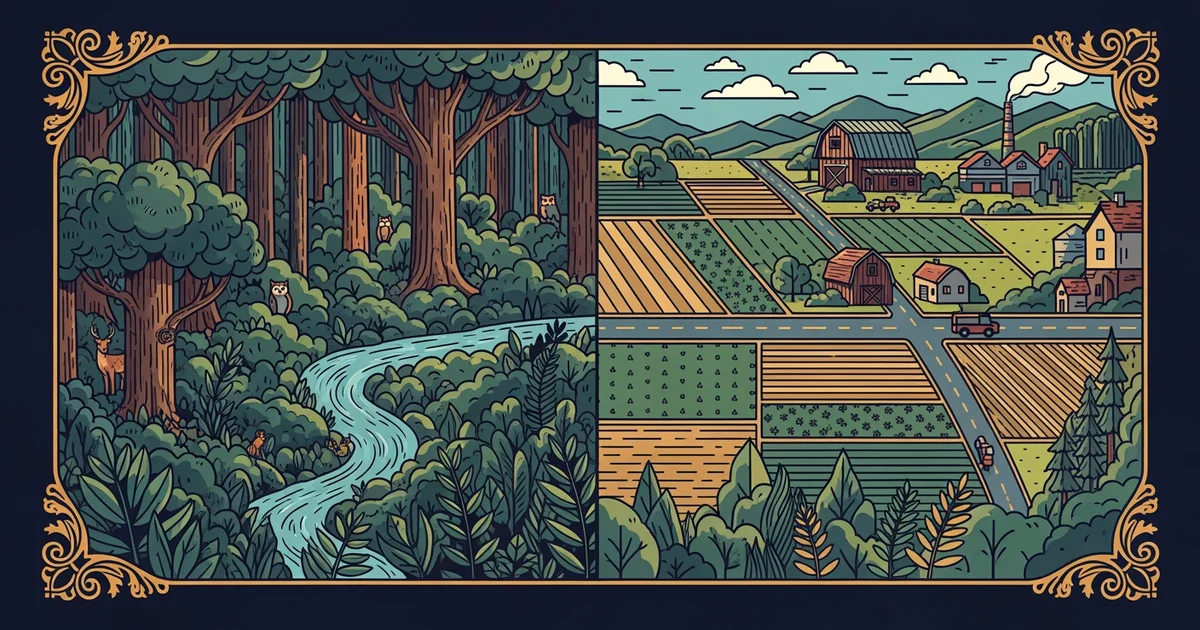
Imagine walking through a dense forest where every single tree, stone, and stream bears a hidden mark of human influence. You might assume nature remains wild and untouched, yet modern research suggests that we have fundamentally altered the physical makeup of our entire planet. This shift marks the arrival of a new era where human activity acts as the primary force driving environmental change.
The Geological Evidence of Humanity
When geologists examine the layers of rock beneath our feet, they look for distinct signals that mark changes in Earth history. The Anthropocene represents a proposed geological epoch defined by the global impact of human activities on the climate and ecosystems. Just as ancient civilizations left behind pottery shards or stone tools, modern humans leave behind a unique chemical signature in the soil. This signature includes radioactive fallout from testing, widespread plastic pollution, and massive shifts in nitrogen levels. Think of this as a permanent layer of human-made dust settling on the surface of our planet. This dust layer acts like a timestamp, showing future generations exactly when our influence became global and irreversible. It is a record of our choices etched directly into the crust of the Earth.
Key term: Anthropocene — the current geological time interval where human activity is the dominant influence on climate and the environment.
To understand the scale of this change, we must look at how human actions function like a global construction project. We move more sediment through mining and infrastructure development than all the world's rivers move naturally every year. This massive movement of earth rearranges the physical landscape in ways that gravity alone never could. We are essentially re-engineering the surface of the planet to suit our needs for housing, food, and energy production. This process creates a landscape that is no longer strictly natural but is instead a hybrid of biological and human-made systems. The sheer volume of material we shift ensures that our footprint will remain visible in the geological record for millions of years to come.
Measuring Human Impact on Earth Systems
Beyond the physical movement of dirt, we have altered the fundamental chemical cycles that keep our planet stable. The following table highlights three major ways human systems now override natural geological processes:
| Process | Natural State | Human-Modified State |
|---|---|---|
| Nitrogen Cycle | Fixed by bacteria | Industrial fertilizer production |
| Carbon Cycle | Volcanic and biological | Massive fossil fuel combustion |
| Sediment Flow | River erosion | Mining and urban construction |
These changes are not just local events but are global shifts that alter how the planet functions. By producing synthetic fertilizers, we have doubled the amount of nitrogen available in nature, causing massive changes in plant growth and water quality. Similarly, our reliance on fossil fuels has moved carbon from underground reservoirs into the atmosphere at an unprecedented rate. This is like a bank account where we are withdrawing funds much faster than the earth can replenish them. The system eventually reaches a breaking point because the natural balance has been completely disrupted by our intense demand for resources. We are no longer just living on the planet, but we are actively managing its core chemical functions.
Understanding these shifts requires us to view the earth as a complex machine that we have accidentally taken control of. Every action we take, from building a road to farming a field, contributes to this cumulative geological impact. This realization forces us to consider the long-term consequences of our current land use patterns and resource consumption. We must ask ourselves whether we can transition toward a more sustainable way of managing these systems. The evidence is clear that our presence has become a defining characteristic of this era of earth history. We are the architects of the modern landscape, and our work is written in the very layers of the ground.
The Anthropocene signifies a shift where human actions have become a geological force that permanently alters the physical and chemical structure of our planet.
Next, we will explore how these massive human activities manifest as specific patterns of urbanization across the globe.