
Processing and Food Quality
When you walk through the aisles of a modern grocery store, you see colorful packages that promise convenience and speed. These items often contain hidden ingredients that change how your body processes energy and supports its internal residents. Your gut microbiome requires specific nutrients to thrive, yet many mass-produced items lack the raw materials needed for healthy bacterial growth. Choosing between whole and processed foods is a daily decision that shapes the invisible trillions of microbes living inside your gut.
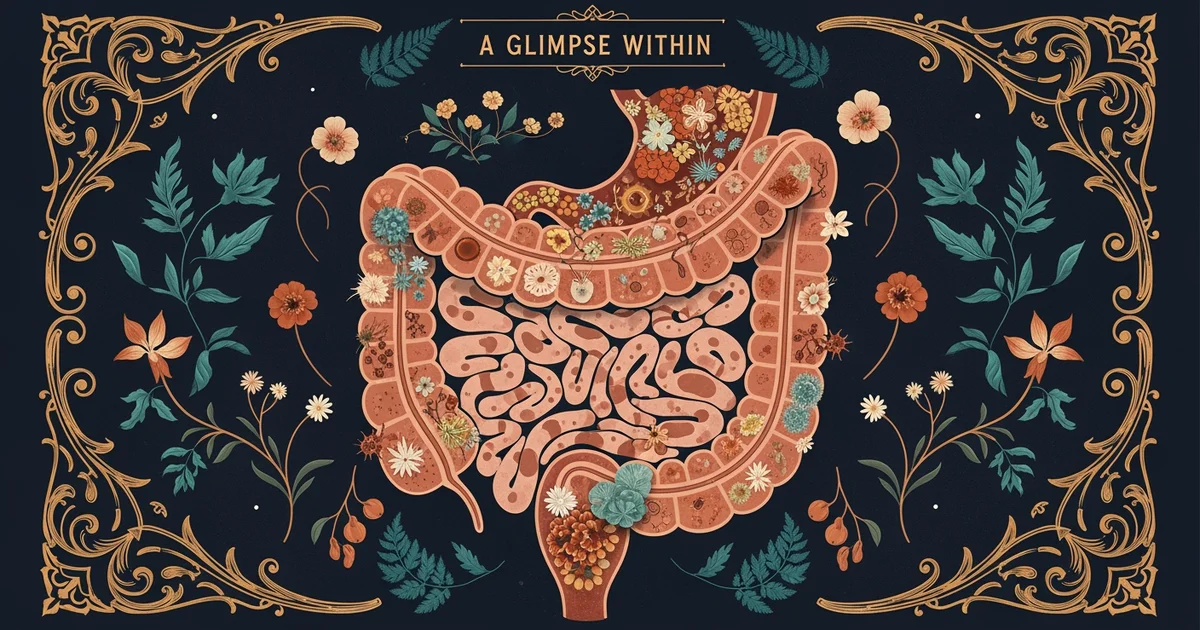
The Impact of Food Processing on Digestion
Food processing involves changing the structure of natural ingredients to improve shelf life or taste. During this process, manufacturers often remove fibers and essential nutrients that microbes need to survive. Think of your gut like a bustling city that relies on regular deliveries of high-quality building supplies to function. Whole foods provide the solid bricks needed for construction, while ultra-processed items act like cheap sawdust that fills space without adding any structural strength. When you consume these highly altered products, your gut bacteria struggle to find the fuel required for their complex work. This lack of fuel leads to a decline in microbial diversity and overall health.
Key term: Ultra-processed foods — industrial formulations that contain little to no whole-food ingredients and are designed for convenience.
Many common items in your pantry undergo significant changes before they reach your kitchen table. These changes often involve adding refined sugars or synthetic fats that digest very quickly in the upper part of your gut. Because these nutrients absorb so fast, the microbes living in your lower gut receive almost nothing in the form of complex carbohydrates. This creates a situation where your internal residents starve while you feel full of empty energy. Maintaining a healthy balance requires selecting foods that retain their original structure as much as possible.
Comparing Food Quality and Microbial Health
Understanding the difference between food types helps you make better choices for your long-term internal health. You can categorize most of your daily intake based on how much the original ingredients have been altered during production. The following table highlights the primary differences between these food categories and their general effect on your internal ecosystem.
| Food Category | Processing Level | Microbial Impact | Nutrient Density |
|---|---|---|---|
| Whole Foods | None or Minimal | High support | Very High |
| Minimally Processed | Some alteration | Moderate support | Moderate |
| Ultra-processed | Heavy industrial | Low or negative | Very Low |
Selecting high-quality ingredients allows your microbiome to flourish by providing a steady supply of fiber and complex plant compounds. If you focus on eating items that look like their natural state, you provide the best possible environment for beneficial bacteria. These microbes then produce short-chain fatty acids that protect your gut lining from damage. This process mirrors the way a well-tended garden yields more fruit than a plot filled with artificial decorations. Every meal acts as a signal to your gut microbes about what kind of environment they should build.
- Identify the source of the food you plan to eat today.
- Choose items that contain the fewest number of listed ingredients.
- Prioritize whole grains and vegetables to feed your internal community.
- Limit the intake of items with added sugars or artificial preservatives.
- Observe how your energy levels change after eating different types of food.
These simple steps help you transition away from reliance on heavy processing. By focusing on quality, you ensure that your body receives the support it needs for daily operations. Small changes in your shopping habits lead to large improvements in your long-term gut health over time.
Prioritizing whole foods over ultra-processed items ensures your gut microbes receive the essential fiber and nutrients required to maintain a healthy and diverse internal ecosystem.
But this simple model of food quality becomes much harder to follow when you consider the complex role of timing and individual metabolism in long-term gut maintenance.