
Timing and Circadian Rhythm
When you skip breakfast to rush to an early meeting, your gut microbes react with the same confusion as a factory worker arriving for a night shift during the day. Your internal systems operate on a rigid schedule that dictates when your microbes should rest or digest food. This daily cycle is known as your circadian rhythm, and it dictates how efficiently your body processes every single bite. Understanding this timing allows you to sync your eating habits with the natural flow of your bacterial population.
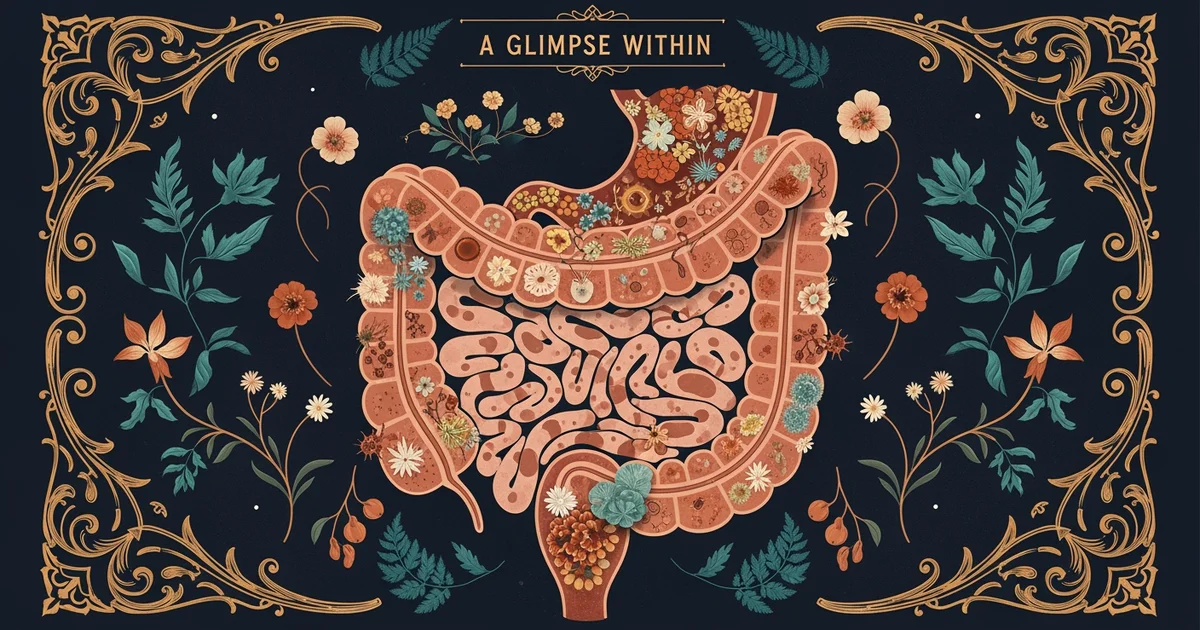
Aligning Digestion With Natural Cycles
Your gut contains a massive community of microbes that function much like a busy office staff working in shifts. When you eat at irregular hours, you force these microbes to scramble for resources at times when they are essentially off the clock. This creates a state of metabolic stress that can lead to poor digestion and reduced nutrient absorption. Much like a business that loses money by keeping its lights on all night without customers, your body wastes energy when it must produce digestive enzymes while the system is meant to be in a repair phase. By keeping your meals within a consistent window, you ensure that your microbial workforce stays productive and happy during their active hours.
Key term: Circadian rhythm — the internal biological clock that regulates physical and mental processes over a twenty-four-hour period.
Consistency in your meal timing acts as a signal to the trillions of bacteria living inside your digestive tract. When you eat at the same times each day, your microbes learn to anticipate the arrival of nutrients and prepare their chemical tools in advance. This anticipation is similar to a restaurant kitchen that preps ingredients before the evening rush to ensure that everything runs smoothly when the orders arrive. If the kitchen staff never knows when guests will show up, they cannot prepare effectively, leading to burnt meals and long wait times for hungry customers. You can improve your gut health by establishing a routine that supports these natural bacterial expectations.
Managing Bacterial Activity Through Timing
Beyond just the timing of meals, the length of your daily fasting period significantly impacts the overall health of your microbiome. Allowing your gut a long break between your final meal of the day and your first meal the next morning triggers a vital cleaning process. This period of rest enables specific bacteria to clear out debris and maintain the structural integrity of your intestinal lining. Think of this process like the nightly maintenance crew that enters an office building after all the employees have left to scrub the floors and repair broken equipment. Without this dedicated downtime, the workspace becomes cluttered, and the entire operation slows down, making it difficult for the staff to function properly the next day.
To optimize your digestive health, consider these three strategies for managing your daily intake:
- Establish a consistent meal window to help your gut bacteria anticipate nutrient arrival and streamline the metabolic process for better energy usage.
- Extend your overnight fasting period to give your internal cleaning crew enough time to remove waste products and repair the intestinal wall lining.
- Avoid late-night snacking, as consuming food when your body is preparing for rest forces the gut to work overtime during a recovery phase.
Consistency serves as the foundational pillar for a healthy gut environment, as it prevents the metabolic confusion that occurs with erratic eating patterns. When you view your digestive system as a professional operation that requires specific hours for both production and maintenance, you gain better control over your long-term health outcomes. The goal is not to restrict your food choices, but to provide your microbial partners with a reliable schedule that allows them to thrive alongside your needs. By respecting the biological timing of your gut, you create a stable environment that supports everything from immune function to mood regulation.
Aligning your eating schedule with your internal biological clock ensures that your gut microbes can perform both digestion and repair tasks at their peak efficiency.
But this model breaks down when irregular sleep patterns or night-shift work disrupt the signals that tell your bacteria when to start their daily cycle.