
Designing a Gut-Healthy Menu
When a chef in a busy kitchen prepares a complex meal, they carefully balance flavors, textures, and nutrients to ensure every guest enjoys a complete experience. Your gut microbiome functions much like that busy kitchen, requiring a diverse supply of ingredients to maintain a healthy and efficient internal ecosystem. Just as a kitchen needs fresh produce, grains, and proteins to serve a balanced menu, your gut microbes thrive when you provide them with a wide variety of plant-based fibers and nutrients. By choosing the right mix of foods, you act as the head chef for your own internal community, directly influencing which microbial populations flourish and which ones struggle to survive.
Building Microbial Diversity Through Food
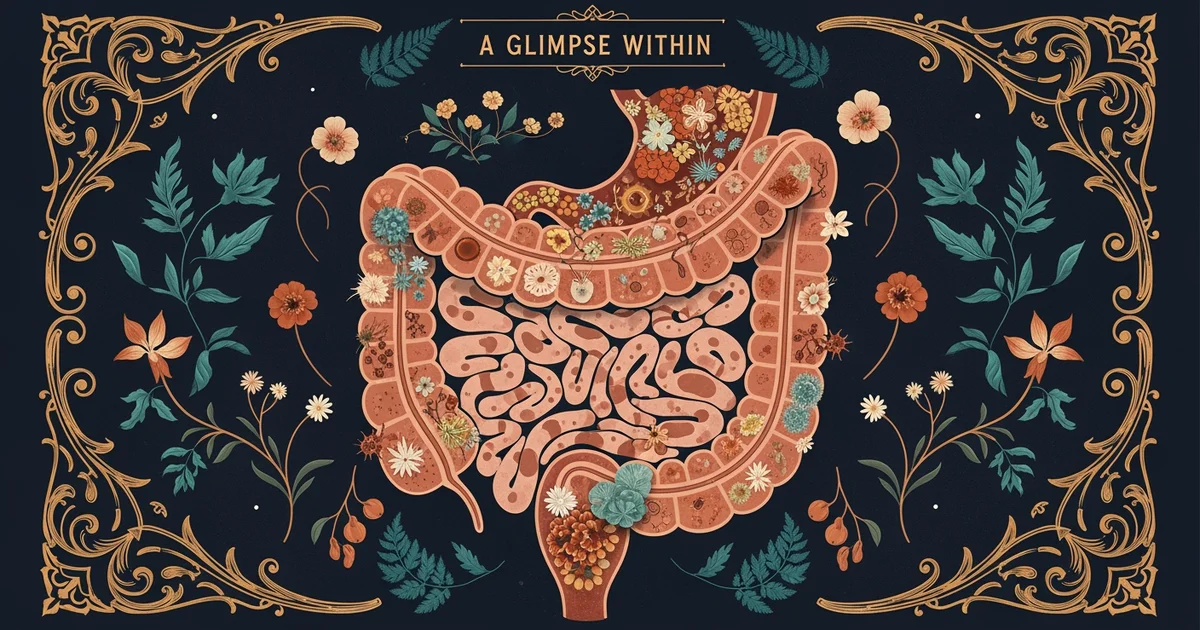
Designing a gut-healthy menu requires shifting your focus from counting individual calories to prioritizing the microbial diversity of your daily intake. Think of your gut like a thriving city where different neighborhoods represent various species of beneficial bacteria, each needing specific resources to perform their unique jobs. If you only eat one or two types of food, you are essentially stocking the city pantry with only bread and water, which leaves many essential workers without the fuel they need to function. A diverse menu introduces a vast array of chemical compounds that act as specialized tools for these microbes, allowing them to produce beneficial substances that support your overall health.
Key term: Microbial diversity — the wide variety of different bacterial species residing in the digestive tract that collectively support immune function and metabolic health.
To achieve this, you should aim to include at least thirty different plant-based foods in your diet every single week. This goal might sound daunting, but it becomes quite manageable when you start counting small additions like seeds, herbs, spices, and various types of legumes. By rotating your produce selections and experimenting with new whole grains, you provide a consistent stream of complex carbohydrates that serve as the primary fuel source for your gut residents. This process of constant rotation ensures that no single group of microbes dominates the environment, keeping the entire ecosystem stable and resilient against potential stressors or pathogens.
Strategic Meal Planning for Gut Health
Transitioning from random snacking to intentional meal planning allows you to maximize the benefits of your dietary choices through systematic ingredient selection. You can organize your weekly menu by focusing on specific categories that provide the structural foundation for a thriving gut environment. The following table outlines how different food categories contribute to the overall health of your internal microbial community:
| Food Category | Primary Benefit | Example Ingredients |
|---|---|---|
| Whole Grains | Sustained energy | Quinoa, oats, barley |
| Legumes | Fiber density | Lentils, chickpeas, beans |
| Fermented | Active cultures | Kimchi, sauerkraut, kefir |
| Polyphenols | Microbial fuel | Berries, green tea, cocoa |
Incorporating these elements requires a deliberate approach to how you layer flavors and textures throughout the day. For example, starting your morning with a bowl of oats topped with berries and seeds immediately introduces multiple sources of fiber and antioxidants to your system. Including a serving of fermented vegetables with your lunch adds active beneficial bacteria that can temporarily support your existing population. These small, strategic additions act as the building blocks for a robust internal environment, proving that your culinary choices are the most powerful tools you possess for managing your gut health.
When you approach your meals with this level of detail, you move beyond simple hunger management and begin to treat your body as a complex biological system. Every ingredient you select serves as a signal to your gut, either promoting the growth of beneficial species or encouraging the decline of those that provide little value. By maintaining this high level of variety, you ensure that your internal kitchen always has the necessary supplies to keep the entire operation running smoothly and efficiently. This proactive strategy is the most effective way to cultivate a resilient microbiome that supports your long-term wellness goals every single day.
Cultivating a healthy gut microbiome depends on consuming a wide variety of plant-based foods to provide the diverse fuel sources necessary for a thriving internal ecosystem.
But this model of dietary diversity becomes difficult to maintain when external factors like irregular meal timing disrupt the natural rhythms of your digestive system.