
Fiber and Microbial Fuel
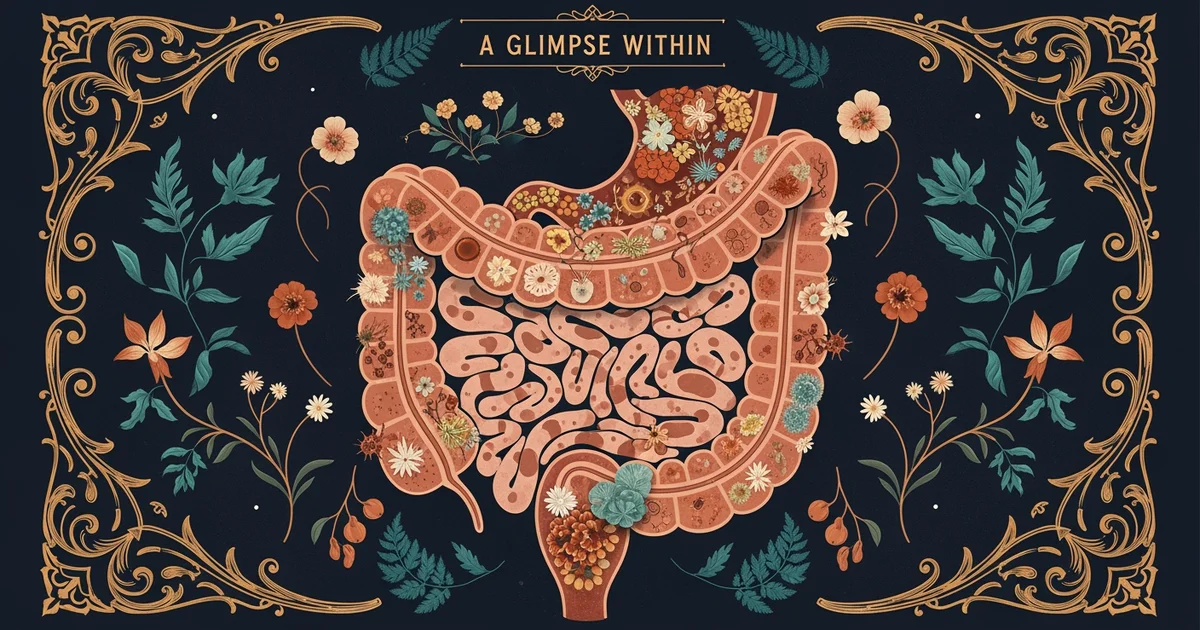
Imagine your gut as a busy city where the residents are trillions of tiny microbes. Just like people in a city need reliable power to keep the lights on, these microbes require a steady supply of fuel to function. Most of the food you eat gets absorbed by your body long before it reaches the lower gut. This leaves your microbial residents hungry and searching for energy sources that you cannot digest yourself. This is where dietary fiber becomes the hero of your digestive system.
The Role of Fiber as Microbial Fuel
When you consume plants, you are eating complex carbohydrates that your human enzymes cannot break down. These molecules pass through your stomach and small intestine entirely intact, arriving at the colon in their original form. Think of these fibers like heavy wooden logs arriving at a furnace that only burns wood chips. The microbes in your gut act as the skilled engineers who possess the specific tools to break these logs into usable fuel. Without this constant supply of fiber, the microbial city would face a power outage, leading to a decline in population and diversity. A healthy gut requires this daily delivery of complex plant material to keep the microbial community thriving and productive.
Key term: Dietary fiber — the indigestible parts of plant foods that travel to the colon to serve as the primary energy source for gut bacteria.
As these microbes feast on fiber, they perform a process known as fermentation to release energy for themselves. This process creates beneficial byproducts that your body can absorb and use for various health functions. The most important of these byproducts are short-chain fatty acids, which act as a vital energy source for the cells lining your colon. By feeding your microbes, you are essentially creating a self-sustaining cycle where the bacteria support your health while you provide them with the fuel they need to survive. This relationship is a classic example of a biological partnership where both sides gain significant advantages.
Diversity and Microbial Stability
Beyond just providing fuel, fiber promotes a diverse landscape of different bacterial species within your system. Different types of fiber act as specific fuel sources for different types of bacteria, encouraging a wide variety of species to grow. A city with only one type of business is fragile, but a city with many industries is resilient against economic shifts. Similarly, a gut with many different bacterial species is better equipped to handle stress, illness, or changes in your diet. You can maintain this microbial diversity by eating a wide range of plant-based foods throughout the week.
| Fiber Type | Primary Source | Microbial Benefit |
|---|---|---|
| Inulin | Chicory root, onions | Feeds beneficial bifidobacteria |
| Pectin | Apples, citrus fruits | Supports colon cell health |
| Resistant Starch | Cooked, cooled potatoes | Promotes fatty acid production |
By including these various fiber sources in your meals, you ensure that no single group of microbes dominates the environment at the expense of others. This balanced ecosystem is the hallmark of a healthy gut, and it relies entirely on the variety of fiber you provide through your daily food choices. When you choose to eat a diverse diet, you are actively cultivating a robust and stable internal environment that protects your overall well-being. This investment in your microbial residents pays off in better digestion and improved immune function over the long term.
Feeding your gut microbes with diverse types of fiber is the most effective way to maintain a resilient and healthy internal ecosystem.
The next Station introduces fermentation and probiotics, which determine how live beneficial bacteria can further enhance your gut health.