
The Basics of Prebiotics
Imagine your morning bowl of oatmeal acts as a fuel station for a massive, invisible city living inside your digestive tract. You eat to satisfy your own hunger, but you also provide vital resources for trillions of tiny residents that help keep your body running smoothly. These residents, known as your gut microbiome, rely on specific types of plant matter to thrive and maintain their complex community. When you choose the right ingredients, you are essentially stocking the pantry for these helpful tenants to perform their daily work. Understanding how these tiny workers process your food is the first step toward mastering your own internal nutrition and long-term health.
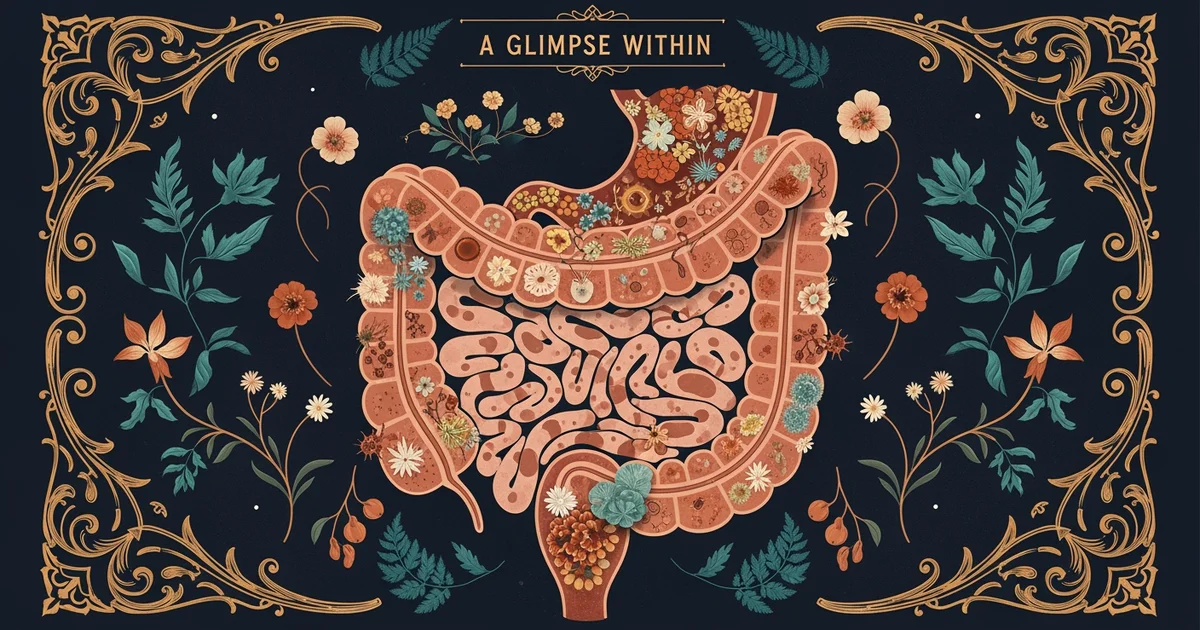
The Function of Dietary Fiber
Most people think of fiber as a simple tool for digestion, but it serves a much deeper purpose for your internal ecosystem. These complex carbohydrates pass through your upper digestive system without being broken down by your own enzymes. Because your body cannot digest them, they travel intact until they reach the lower gut. Once they arrive, they become the primary energy source for the diverse microbial population residing there. Think of these fibers like a specialized fuel delivery service that skips the main office to deliver supplies directly to the warehouse staff in the back. Without this constant delivery, the microbial city would face a resource shortage, leading to a decline in the health and variety of the community.
Key term: Prebiotics — specialized plant fibers that act as fertilizers to stimulate the growth of healthy bacteria in the gut.
This process is similar to how a business owner manages a team of workers by providing the right equipment to ensure high productivity. If you supply high-quality materials, the workers can build stronger structures and perform their tasks with greater efficiency. In your gut, these materials are known as prebiotics. They do not just sit there; they actively support the microbial balance by favoring the growth of beneficial strains. By choosing foods rich in these fibers, you are creating an environment where healthy bacteria can outcompete less desirable microbes. This simple dietary adjustment is one of the most effective ways to influence the composition of your internal world.
Identifying Essential Microbial Fuel Sources
Finding the right foods to support your gut health is easier than you might expect because many common plant-based ingredients are naturally packed with these essential fibers. You can easily incorporate these items into your daily meals to ensure your microbial residents remain well-fed and active. The following list highlights common sources that offer significant benefits for your gut bacteria:
- Garlic and onions provide high levels of inulin, a type of fiber that specifically encourages the growth of helpful bacteria while also adding depth and flavor to your cooking.
- Bananas, especially those that are slightly green, contain resistant starch which resists digestion in the small intestine to provide a steady energy source for your lower gut microbes.
- Legumes like lentils and chickpeas are excellent sources of complex carbohydrates that fuel a wide variety of bacterial species, ensuring your gut ecosystem remains diverse and resilient.
Building a Diverse Internal Ecosystem
When you consistently consume a variety of these fiber-rich foods, you create a stable and diverse habitat that is better equipped to handle stress or dietary changes. A varied diet acts like a diverse investment portfolio, ensuring that no single group of microbes becomes too dominant while others fade away. This stability is crucial because different species of bacteria require different types of fuel to perform their specific roles within your digestive system. By rotating your intake of garlic, legumes, and various fruits, you provide a broad spectrum of nutrients that keep the entire community thriving. This approach moves you beyond basic survival and helps you build a robust, high-functioning internal environment that benefits your overall well-being.
Feeding your gut with specific plant fibers ensures that beneficial bacteria flourish and maintain the stability of your internal ecosystem.
Next, we will explore how these fibers are converted into energy and how that process directly impacts your physical health.