
The Gut-Brain Connection
Have you ever felt a sudden sinking sensation in your stomach when you receive bad news? This physical response shows that your brain and your digestive tract share a constant, hidden conversation that influences your daily mood and your mental clarity.
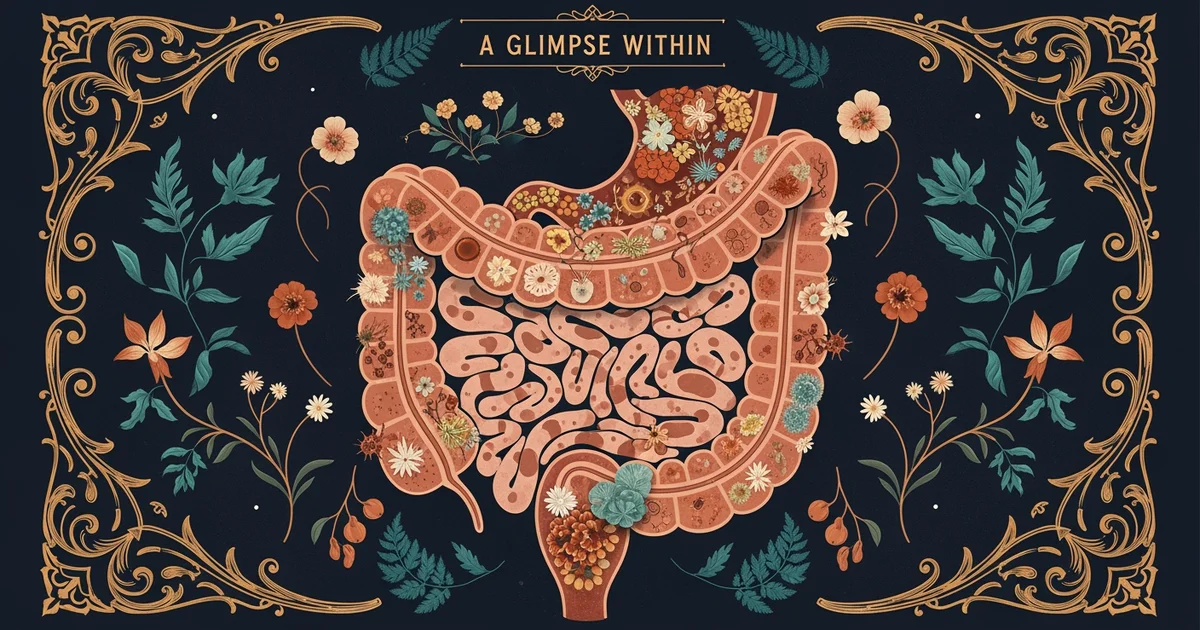
The Biological Highway Between Brain and Gut
The human body maintains a complex communication network known as the gut-brain axis to ensure that your internal organs work in harmony. This system functions like a high-speed data cable connecting your brain to your gut, allowing for the rapid exchange of chemical and electrical signals. When your brain perceives stress, it immediately sends messages down this pathway to alter your digestive speed, often causing that familiar feeling of butterflies or discomfort. Your gut microbes play a vital role here because they produce neurochemicals that travel along these same pathways to influence your emotional state. Think of this connection like a two-way street where heavy traffic flows in both directions, ensuring that your mental state and your digestion remain linked throughout the day. If the traffic becomes congested due to poor diet or stress, the signals sent to your brain may become distorted, leading to feelings of fatigue or irritability that you might otherwise struggle to explain. By maintaining a healthy environment for your microbes, you help keep the communication lines clear and efficient for both your physical and mental health.
Key term: Gut-brain axis — the bidirectional signaling network that links the enteric nervous system in your gut with the central nervous system in your brain.
Microbial Influence on Mental States
Beyond simple signaling, your gut bacteria actively manufacture chemical messengers that your brain requires to regulate your mood and your sleep cycles. These tiny organisms break down dietary fibers to create short-chain fatty acids, which then enter your bloodstream and reach your brain to support cognitive function. When you consume a wide variety of plant-based foods, you provide the necessary building blocks for these microbes to thrive and produce these essential mood-regulating compounds. This process is similar to a bank managing its assets, where your gut microbes act as the staff that processes deposits to ensure that the central office, your brain, remains solvent and fully operational. If you fail to feed these workers the right fuel, they cannot produce the compounds required to keep your mood stable and your mind sharp. A diverse diet acts as a reliable investment strategy that keeps your internal staff productive and your brain chemistry balanced for long-term health.
| Signal Type | Origin | Primary Destination | Effect on Body |
|---|---|---|---|
| Vagus Nerve | Gut | Brain Stem | Calming response |
| Serotonin | Gut | Nervous System | Mood regulation |
| Fatty Acids | Colon | Bloodstream | Cognitive support |
Maintaining this delicate balance requires consistent attention to the quality of fuel you provide to your internal community. The following factors influence how well your gut and brain communicate:
- The variety of fiber sources you eat determines which species of beneficial bacteria can grow and thrive within your digestive tract.
- Regular physical activity helps regulate the speed of your digestion, which keeps the flow of signals between your gut and brain consistent.
- Adequate hydration ensures that the chemical messages produced by your microbes can travel effectively through your bloodstream to reach the brain.
By focusing on these three areas, you support the structural integrity of the gut-brain axis and promote a more stable emotional baseline over time.
Healthy gut function acts as a foundational support system that allows your brain to regulate mood and energy levels through constant chemical communication.
Since your gut health relies on these chemical signals, how does chronic inflammation disrupt this delicate balance to cause long-term health issues?
Want this with sources you can check?
Premium Learning Paths for Culinary Arts & Gastronomy are researched against open-access libraries — PubMed, arXiv, government databases, and more — with their distinctive claims cited to real sources and independently checked.
See what Premium includes