
Defining Microbial Diversity
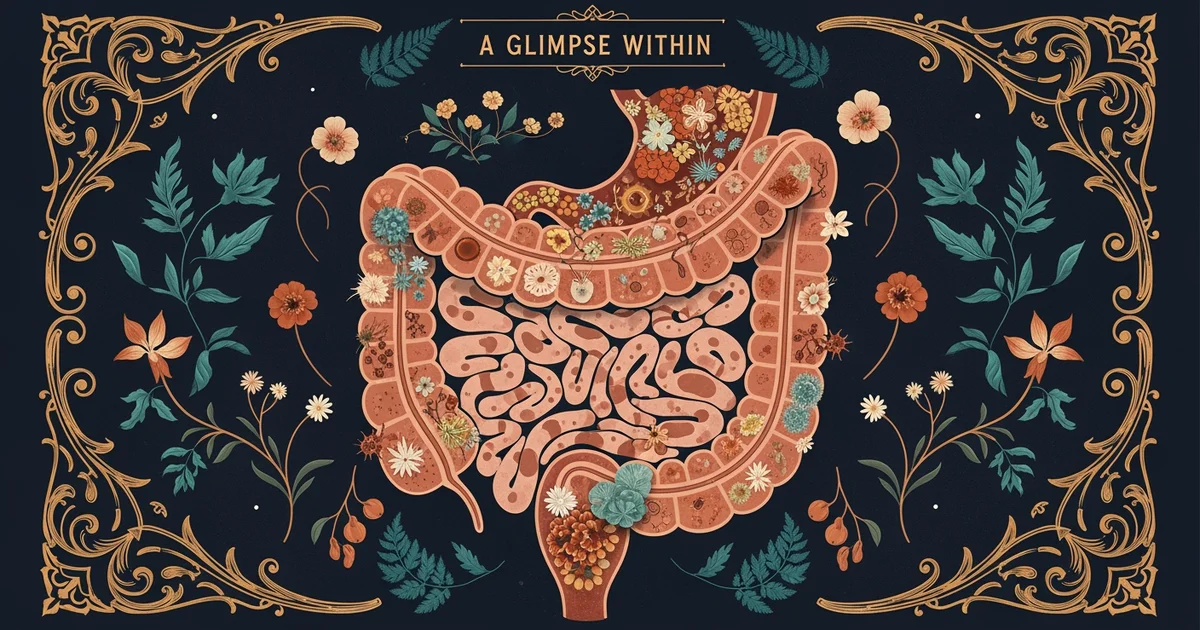
Imagine your gut is a bustling city where millions of tiny residents work together to keep the streets clean and the power running. If every resident performed the exact same job, the city would collapse the moment a new challenge appeared or a supply chain broke down. This is the reality of your inner world, where microbial diversity acts as the primary defense system against health issues. A wide variety of species ensures that if one type of microbe fails, another can step in to finish the task. You rely on these tiny neighbors to break down complex fibers that your own body cannot digest on its own. Without this rich variety, your digestive system would struggle to extract the nutrients you need from your daily meals.
The Function of Ecological Balance
When you maintain a diverse population of microbes, you create a stable environment that resists harmful invaders. Think of your gut like a crowded neighborhood where every available house is already occupied by helpful, friendly neighbors. Because every space is taken, a harmful bacteria or virus finds no room to move in and start causing trouble. This competitive exclusion is a natural way your body stays protected without needing extra help. A healthy gut environment thrives on this high level of occupancy because it keeps the entire system running in perfect harmony. When the population is thin or lacks variety, it leaves open gaps for unwanted guests to settle in and multiply.
Key term: Microbial diversity — the total variety of different bacterial species living within the human digestive tract.
Maintaining this variety requires a steady supply of different materials to keep everyone fed and active throughout the day. If you only provide one type of fuel, only one type of microbe will grow, leaving the rest of the city hungry and weak. This is why eating a broad range of whole foods is essential for keeping your internal city vibrant and strong. When you eat diverse plant foods, you are essentially providing a varied menu that supports many different types of beneficial microbes. This variety prevents any single group from taking over and ensures that the entire system remains balanced and resilient against stress.
Why Variety Improves Digestion
Beyond just keeping out bad actors, a diverse gut population improves how you process the food you eat. Different microbes have unique roles, such as producing vitamins or helping to regulate your energy levels during the day. Consider this comparison to a professional kitchen where every chef has a specific specialty like baking, grilling, or chopping vegetables. If you only had bakers, you would never get a full meal, but a team with many skills produces a complete, nutritious feast. Your gut works the same way by using a wide range of microbial talents to turn raw ingredients into usable energy.
| Microbial Role | Function | Benefit to Host |
|---|---|---|
| Fiber Breakers | Digestion | Energy release |
| Vitamin Makers | Synthesis | Immune support |
| Barrier Builders | Defense | Gut wall health |
This table shows how different groups contribute to your overall health by performing tasks that keep your body functioning well. When you lack these diverse groups, you lose the ability to perform these critical tasks efficiently, which can lead to discomfort or poor nutrient absorption. By fostering a high count of different species, you are essentially upgrading your internal machinery to handle a wider variety of dietary challenges. This makes your body much more adaptable when you change your diet or face new environmental conditions that might otherwise cause digestive stress. Your goal is to keep this internal team as large and as skilled as possible to ensure you get the most out of every single meal.
A healthy gut relies on a wide variety of microbial species to ensure that all digestive tasks are completed efficiently and the system remains stable.
Next, we will explore how you can use specific types of food to actively feed and grow these beneficial microbial populations.