
Polyphenols and Gut Protection
Imagine your gut is a busy city that relies on a constant flow of high-quality resources to stay functional. Just as a city requires fuel to power its infrastructure, your gut microbiome needs specific plant compounds to maintain a healthy and diverse population of beneficial bacteria. These essential plant-based compounds are known as polyphenols, which act as a powerful form of defense for your internal microbial environment. When you consume a variety of colorful plants, you are essentially delivering a specialized shipment of goods that your gut residents need to thrive. Think of these compounds like an investment in a local business; they provide the necessary capital for the good bacteria to outcompete any harmful invaders that might disrupt the peace of your digestive tract.
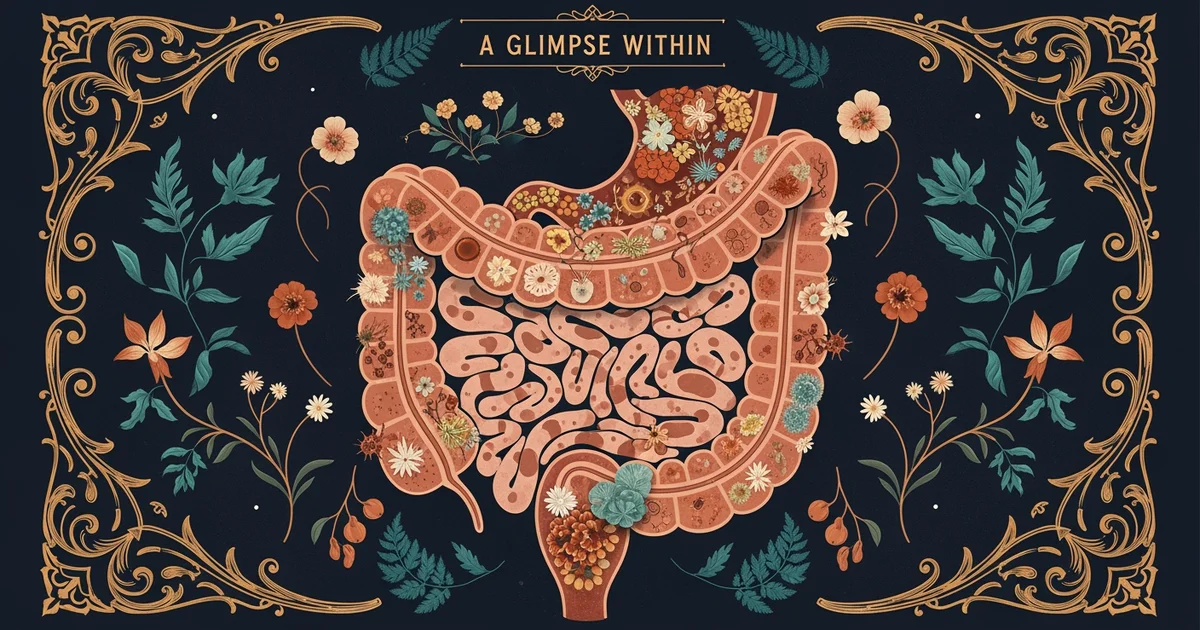
The Role of Plant Compounds in Microbial Health
Most people view digestion as a simple process of breaking down food for energy, but it is actually a complex exchange between your body and the trillions of tiny organisms living within you. When you eat foods rich in these protective compounds, they often pass through your stomach largely unchanged because your own digestive enzymes cannot fully break them down. This is actually a positive feature rather than a flaw in the system. Because these compounds remain intact, they eventually reach your large intestine where the beneficial bacteria are waiting to feast on them. By providing this consistent food source, you ensure that the helpful microbes have the energy required to produce beneficial substances like short-chain fatty acids. These fatty acids are the primary fuel source for the cells lining your colon, ensuring that your gut barrier remains strong and resilient against potential inflammation.
Key term: Polyphenols — naturally occurring plant compounds that serve as fuel for beneficial gut bacteria and help reduce internal inflammation.
Identifying Sources of Microbial Fuel
Building a diet that supports your microbiome does not require expensive supplements, as many common foods are packed with these protective substances. You can easily identify these foods by looking for deep, vibrant colors in fruits and vegetables, which often signal a high concentration of these beneficial molecules. To get the most out of your meals, you should focus on incorporating a wide variety of plant sources throughout your week to ensure a diverse range of compounds enters your gut. Consider the following sources that provide significant benefits to your microbial community:
- Dark berries such as blueberries and blackberries contain high levels of anthocyanins that help stabilize the gut environment.
- Green tea provides a concentrated dose of catechins that actively promote the growth of specific healthy bacterial strains.
- Raw cocoa powder offers a dense source of flavanols that act as a prebiotic to nourish your internal residents.
- Walnuts provide both healthy fats and protective plant compounds that work together to support a balanced microbial ecosystem.
By rotating these foods, you create a dynamic environment where no single type of bacteria can dominate, which is the hallmark of a robust and healthy digestive system.
Comparing Dietary Impact on Gut Diversity
To better understand how different food choices influence your gut, it helps to look at the specific benefits each category provides to your system. The following table highlights how common dietary components influence the microbial landscape of your digestive tract compared to processed alternatives:
| Food Category | Primary Benefit | Impact on Gut Diversity |
|---|---|---|
| Whole Berries | High Polyphenols | Promotes healthy growth |
| Refined Sugar | Rapid Fermentation | Encourages harmful blooms |
| Leafy Greens | Fiber and Nutrients | Supports microbial balance |
| Processed Fats | Slows Digestion | May reduce beneficial counts |
When you consistently choose items that provide fuel for your beneficial bacteria, you are actively building a stronger defense system. This ongoing process of nourishment is similar to managing a garden; if you provide the right nutrients, the healthy plants will naturally crowd out the weeds. By prioritizing these nutrient-dense foods, you allow your gut microbiome to function at its highest potential every single day.
Consuming a diverse range of colorful plant foods provides the essential fuel required to maintain a balanced and resilient gut microbiome.
The next Station introduces the gut-brain connection, which determines how these microbial signals influence your mood and mental clarity.