
Sugar and Microbial Balance
Imagine you are running a busy restaurant kitchen where the staff expects fresh, healthy vegetables every morning. If you suddenly replace their healthy supplies with endless boxes of cheap, sugary candy, the kitchen staff will stop cooking real meals and start snacking on sugar instead. Your gut microbiome works exactly like this kitchen staff when you consume high amounts of refined sugar every single day. While your body needs energy to function, the specific type of fuel you provide determines which microbes thrive. Refined sugar acts as a fast-burning fuel that many beneficial bacteria simply cannot process or use for their own growth. When you eat too much of this sugar, you create an environment where less helpful microbes take over the space.
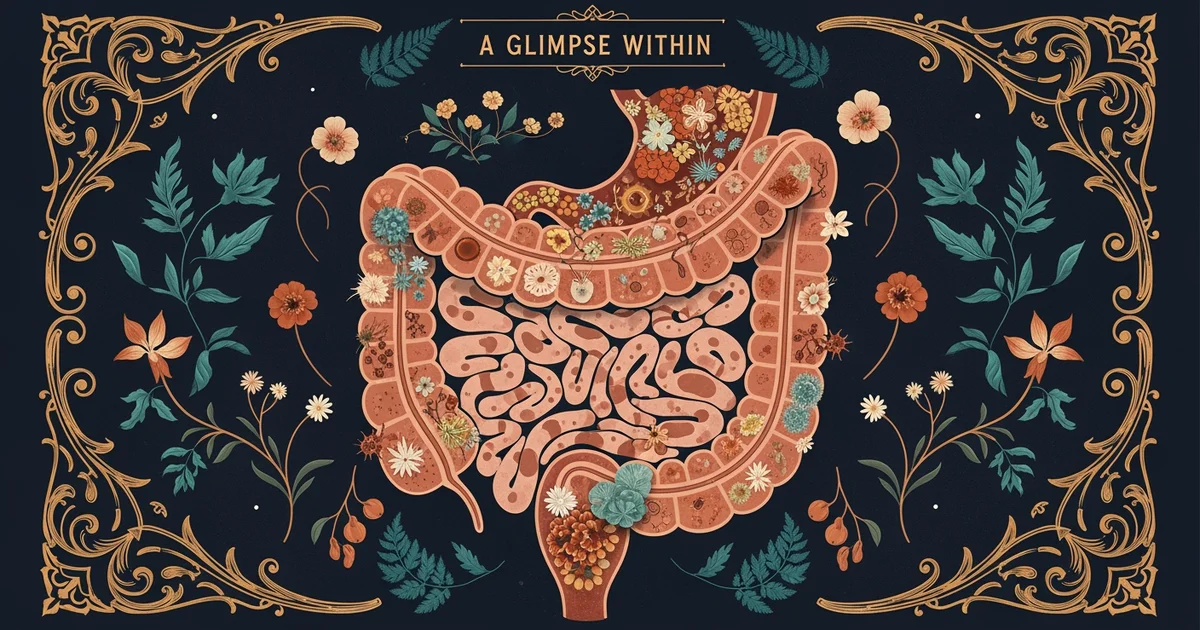
The Impact of Refined Sugar on Microbial Diversity
When you consistently feed your gut refined sugar, you effectively shift the balance of your internal ecosystem away from diversity. A healthy gut relies on a wide variety of bacterial species to perform different tasks like breaking down fiber or creating vitamins. Refined sugars are absorbed very quickly in the upper part of your digestive tract before they reach the lower gut. This leaves the microbes living in the colon without the complex plant fibers they need to survive and multiply. Over time, the populations of these beneficial bacteria begin to shrink because they are essentially starving while the environment changes. This reduction in microbial variety is a major concern because a less diverse gut is often less resilient.
Key term: Dysbiosis — an imbalance in the gut microbial community that occurs when harmful bacteria outnumber the beneficial species.
How Sugar Shifts the Microbial Balance
As the beneficial bacteria struggle to find food, other opportunistic microbes that love simple sugar start to multiply rapidly. These opportunistic species often thrive in sugar-rich environments and can quickly crowd out the helpful bacteria that keep your system stable. Think of your gut like a garden where you want to grow healthy vegetables for your household to eat. If you stop watering the vegetables and start dumping bags of sugar over the soil, the weeds will grow much faster than the crops. The weeds do not provide any nutrition for you, but they successfully take over the entire plot of land. This shift in population density is what scientists call dysbiosis, and it can lead to several digestive issues for the host.
| Bacterial Type | Preferred Food Source | Impact on Gut Health |
|---|---|---|
| Beneficial | Complex Plant Fiber | Supports strong immune function |
| Opportunistic | Refined Simple Sugar | Promotes inflammation and gas |
| Neutral | Various Nutrients | Maintains basic system stability |
Managing Your Sugar Intake for Better Gut Health
To keep your gut ecosystem balanced, you must consider the total amount of refined sugar in your daily routine. Reducing your intake of processed snacks allows more room for the complex carbohydrates that your beneficial microbes actually enjoy eating. When you choose whole foods like fruits, vegetables, and whole grains, you provide a steady supply of fiber that reaches your lower gut. These fibers act as a slow-release energy source that keeps your helpful bacteria productive and happy throughout the day. By making these small adjustments to your diet, you support a thriving community of microbes that work hard to protect your overall health. Building these habits early in life creates a foundation for better digestion and long-term wellness that lasts for many years.
Reducing refined sugar intake preserves microbial diversity by ensuring that beneficial bacteria receive the complex fiber they require to survive.
The next Station introduces polyphenols, which determine how plant compounds provide extra protection for your delicate gut environment.