
Immune System Interactions
Imagine your body as a high-security building where the front desk staff must constantly decide who enters and who gets blocked. Your immune system acts as this security team, but it does not work alone in its mission to keep you safe from harmful invaders. Instead, it relies on a massive, invisible network of microbes living inside your gut to learn how to identify friend from foe. Without this microbial training, your immune system would struggle to distinguish between dangerous pathogens and harmless food particles or your own healthy cells. The gut microbiome serves as the primary coach for these defensive cells, teaching them the difference between threats and normal body functions.
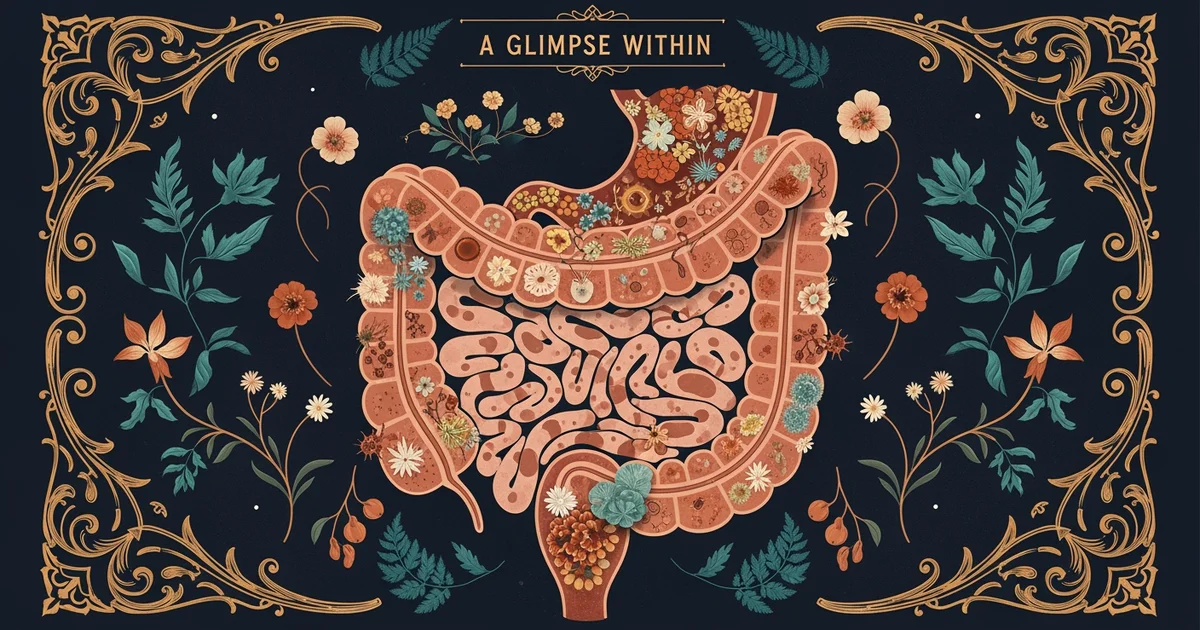
The Training Ground for Defense
When microbes populate your gut, they begin an ongoing conversation with the immune cells residing in your digestive tract. This interaction acts like a boot camp where your immune cells practice recognizing different chemical signals produced by the bacteria. Think of this process like a security guard learning to read a complex identification badge before letting visitors into a restricted area. If the guard never sees the badge, they might panic at every person walking through the door. By exposing immune cells to diverse microbial signals, your gut ensures that your body maintains a calm and focused defense strategy rather than launching random attacks.
Key term: Commensal bacteria — the helpful microorganisms that live in the human gut and provide vital training for the immune system.
These commensal bacteria do not just sit idle while they live inside your intestines; they actively send signals that regulate how your body reacts to potential threats. They produce specific short-chain fatty acids that influence the development of regulatory cells, which are responsible for keeping the immune response from becoming too aggressive. When these regulatory cells function properly, your body avoids unnecessary inflammation and only triggers a response when a genuine danger is detected. This balance is crucial for maintaining long-term health, as it prevents your immune system from damaging healthy tissues by mistake.
Communication Pathways and Immune Balance
The way your gut microbes communicate with your immune system involves a constant exchange of chemical messages that span your entire internal environment. These signals travel through the bloodstream and reach distant parts of the body, ensuring that your immune system stays informed about the state of your gut. Maintaining this balance requires a wide variety of microbial species, as each type offers a unique lesson for your defensive cells. A less diverse gut population might lead to incomplete training, which leaves the immune system poorly prepared to handle complex health challenges or sudden environmental changes.
| Immune Component | Primary Function | Microbial Influence |
|---|---|---|
| Regulatory Cells | Prevent overreaction | Promoted by diversity |
| Defensive Cells | Attack bad invaders | Trained by signals |
| Barrier Lining | Block harmful items | Strengthened by flora |
This table shows how different parts of your immune system rely on microbial input to perform their specific jobs effectively. When you eat a diet rich in fiber, you provide the fuel these bacteria need to continue their training work. If you neglect your gut health, you essentially starve the coaches that keep your internal security team sharp and well-informed. A healthy gut environment creates a strong, resilient immune system capable of protecting you throughout your life.
- Microbes colonize the gut early in life to establish a baseline for immune recognition.
- Chemical signals from these bacteria teach immune cells to tolerate harmless food proteins.
- Continuous exposure to diverse microbial species keeps the defensive cells flexible and ready.
- Regulatory mechanisms prevent the immune system from attacking your own healthy body tissues.
These steps demonstrate why your daily food choices are so important for long-term health outcomes. By nourishing your gut, you are actively supporting the teachers that guide your immune system every single day. This partnership between your biology and your microbes remains one of the most important aspects of human physiology. Understanding this relationship helps you make better decisions about what to put on your plate for your future health.
Your gut microbiome functions as a vital training ground that teaches your immune system how to recognize threats and maintain internal stability.
But what does it look like in practice when we start designing a gut-healthy menu to support this delicate immune balance?