
Long-Term Gut Maintenance
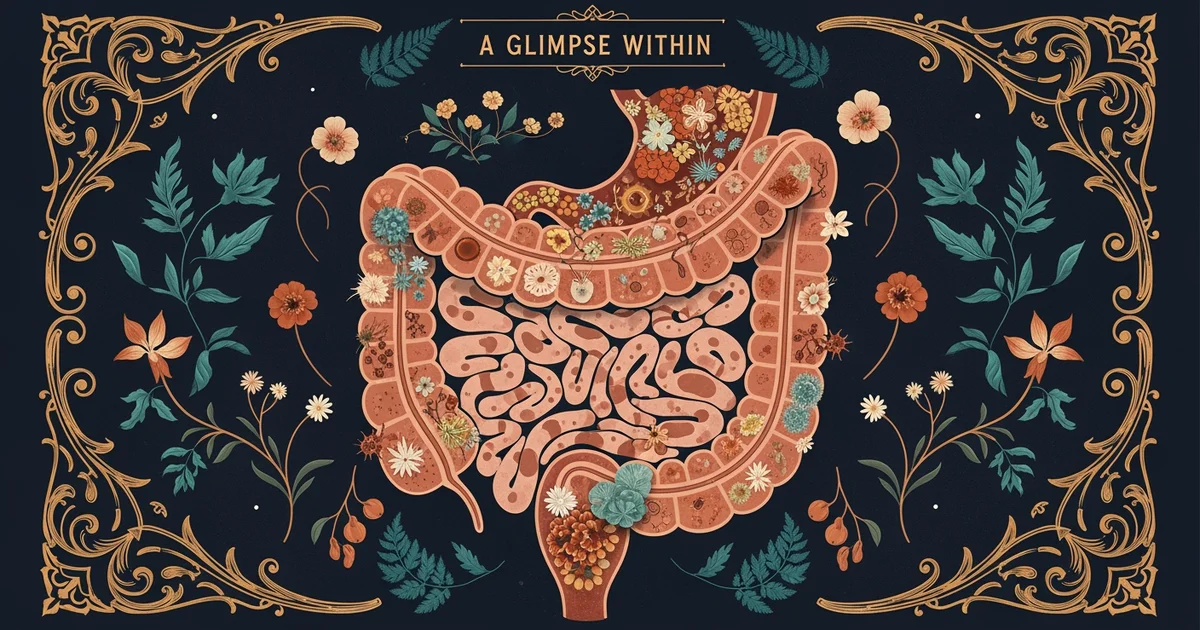
Imagine you are tending to a garden that never stops growing throughout your entire life. Just as a garden requires consistent water and soil care to thrive, your internal ecosystem demands daily attention to remain stable and diverse. If you neglect these microscopic residents, the balance of your gut shifts away from health and toward a state of constant stress. You are the sole architect of this environment, and the choices you make every single day determine which microbial species flourish or fade away. This process is not a temporary project but a lifelong commitment to the invisible trillions that define your overall well-being.
Building Habits for Microbial Stability
Maintaining a healthy gut microbiome requires a shift from seeing food as fuel to viewing it as long-term environmental management. Think of your gut like a bustling city where the residents need a steady supply of resources to keep the infrastructure running smoothly. When you provide diverse fiber sources, you are essentially investing in the public services that keep the city functional and resilient against outside threats. If you only provide one type of resource, the city becomes fragile because only a few types of workers can survive on that limited diet. By rotating your intake of vegetables, grains, and legumes, you ensure that a wide variety of beneficial microbes have the tools they need to perform their essential tasks.
Key term: Prebiotics — the non-digestible food components that act as specialized fuel sources for beneficial gut bacteria.
This investment strategy works best when you prioritize consistency over perfection in your daily routine. Much like a savings account, the benefits of a healthy microbiome accumulate slowly through small, repetitive actions rather than sudden, dramatic shifts in your diet. You must recognize that the microbes living in your gut are highly sensitive to the consistency of the environment they inhabit. When you introduce sudden, drastic changes to your eating patterns, you cause a temporary disruption that can lead to digestive discomfort. Instead, aim to slowly increase the variety of plant-based foods you consume until they become the foundation of every meal you prepare.
Managing Disruptions and Resilience
Even with the best intentions, your gut will face challenges from external factors like stress or changes in your daily schedule. Resilience in your gut microbiome depends on how quickly these microbial communities can bounce back after a period of instability. You can support this recovery by returning to your foundational habits as soon as possible after a disruption occurs. Remember the lessons about food quality from earlier in this path, as highly processed items often lack the complex structures required to feed your internal residents. When you prioritize whole, unprocessed ingredients, you minimize the amount of time your gut spends in a state of stress.
| Factor | Impact on Gut Health | Management Strategy |
|---|---|---|
| Fiber Intake | High positive impact | Eat diverse plants |
| Processed Food | Negative disruption | Limit total intake |
| Daily Stress | Indirect harm | Practice mindfulness |
This table highlights the primary levers you can pull to manage your gut environment across different life stages. Notice how each factor interacts with the others to create a net effect on your internal diversity. By tracking these variables, you can begin to see patterns in how your body responds to the environment you create for it. This awareness is the final step in moving from passive consumption to active management of your biological health. You are now equipped to make decisions that reflect the long-term needs of your microbiome rather than just your immediate cravings.
Consistency is the single most important factor in maintaining a diverse and healthy gut environment over time. Your daily dietary choices act as the primary signal that tells your microbiome which species should thrive and which should remain in the background. By understanding the relationship between the food you select and the stability of your internal ecosystem, you take control of your long-term health. This synthesis of knowledge allows you to bridge the gap between simple nutrition and the complex science of human biology.
True gut health is built through the daily, consistent provision of diverse resources that support a stable and resilient microbial community.
The next station explores how future advancements in microbiome science will refine our ability to personalize these long-term maintenance strategies for everyone.