
Environmental Chemistry
When the Deepwater Horizon rig spilled millions of gallons of oil into the Gulf of Mexico, scientists faced a massive cleanup challenge involving complex carbon chains. This disaster highlights how specific molecular structures dictate the environmental persistence of pollutants in our vast oceans. Understanding why these substances linger requires looking at the functional groups attached to their carbon backbone. These groups act like chemical handles, determining how easily sunlight, water, or bacteria can break the molecule down into harmless pieces. This is the application of the structural principles we explored in Station 12 regarding biomolecule composition. When a molecule lacks reactive functional groups, it often persists in the environment for decades instead of breaking down quickly.
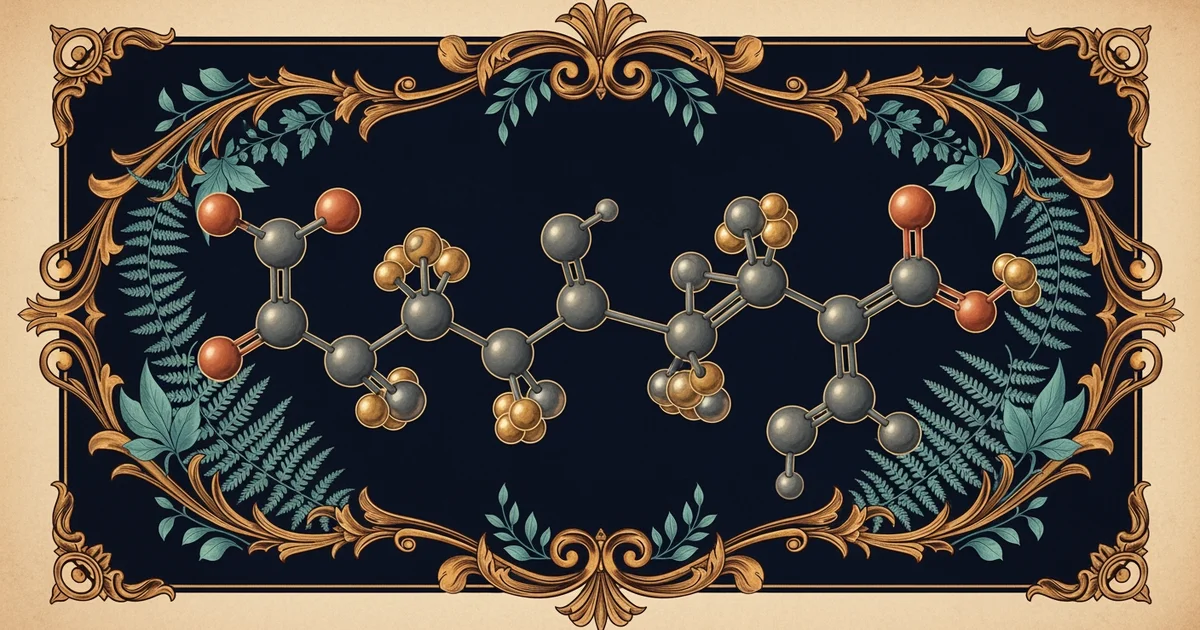
Persistence and Chemical Reactivity
Chemical reactivity is the primary factor that determines whether a pollutant will disappear or accumulate over time. Imagine a plastic bottle as a sturdy lockbox that refuses to open, while a piece of fruit acts like a package that decays rapidly. The lockbox represents molecules with stable, unreactive bonds that resist environmental breakdown. In contrast, the fruit represents molecules containing reactive functional groups that easily interact with water or oxygen in the environment. These reactive groups serve as entry points for natural degradation processes that cleanse our ecosystems. If a substance lacks these specific handles, it remains trapped in its original form, leading to bioaccumulation within the food chain. Environmental chemists study these structures to predict which industrial chemicals pose the longest risks to our planet.
Key term: Persistence — the tendency of a chemical substance to remain in the environment without breaking down into simpler, less harmful components.
Functional Groups as Environmental Handles
Functional groups, such as hydroxyl or carboxyl groups, significantly alter how a molecule interacts with its surrounding environment. Think of these groups as handles on a suitcase that allow cleaners to grab and open the contents. A molecule with many polar functional groups is often more soluble in water, which helps it disperse and potentially undergo biological breakdown. Conversely, molecules composed primarily of nonpolar hydrocarbon chains tend to resist water interaction and cling to fatty tissues in animals. This hydrophobic nature makes them particularly dangerous because they hide from natural degradation processes. Industrial processes often modify these molecules to increase their stability for commercial use, but this stability becomes a liability once the product enters the natural world.
| Functional Group | Effect on Solubility | Environmental Impact |
|---|---|---|
| Hydroxyl | Increases solubility | Promotes degradation |
| Alkyl chain | Decreases solubility | Increases persistence |
| Carboxyl | Increases acidity | Enhances reactivity |
We can categorize environmental pollutants based on their structural features:
- Hydrocarbons consist of carbon and hydrogen atoms that form stable, nonpolar chains that resist natural breakdown processes in the wild.
- Oxygenated compounds contain functional groups like alcohols or acids that allow water to interact with and slowly dissolve the substance.
- Halogenated pollutants incorporate atoms like chlorine or fluorine, which create extremely strong bonds that prevent standard environmental cleaning mechanisms from functioning.
These structural differences explain why some chemicals vanish after a heavy rain while others remain locked in the soil for centuries. The ability of a molecule to react with the environment is not a random occurrence but a direct result of its specific functional groups. Chemists use this knowledge to design safer alternatives that maintain their utility while breaking down faster when they reach the environment. By adjusting the molecular architecture, we can ensure that modern materials do not become permanent features of our global landscape. This proactive approach remains the most effective way to prevent long-term ecological damage from industrial waste products.
Environmental persistence is a direct consequence of molecular stability, where the absence of reactive functional groups prevents natural degradation processes from breaking down synthetic pollutants.
But this model becomes complicated when we consider how multiple functional groups interact within a single, highly complex molecule.