
Nitrogen and Amines
Imagine a bustling train station where every platform requires a specific ticket to board the correct train. Nitrogen atoms act like those ticket collectors in the world of organic chemistry, dictating exactly which molecular passengers can join the chemical reaction.
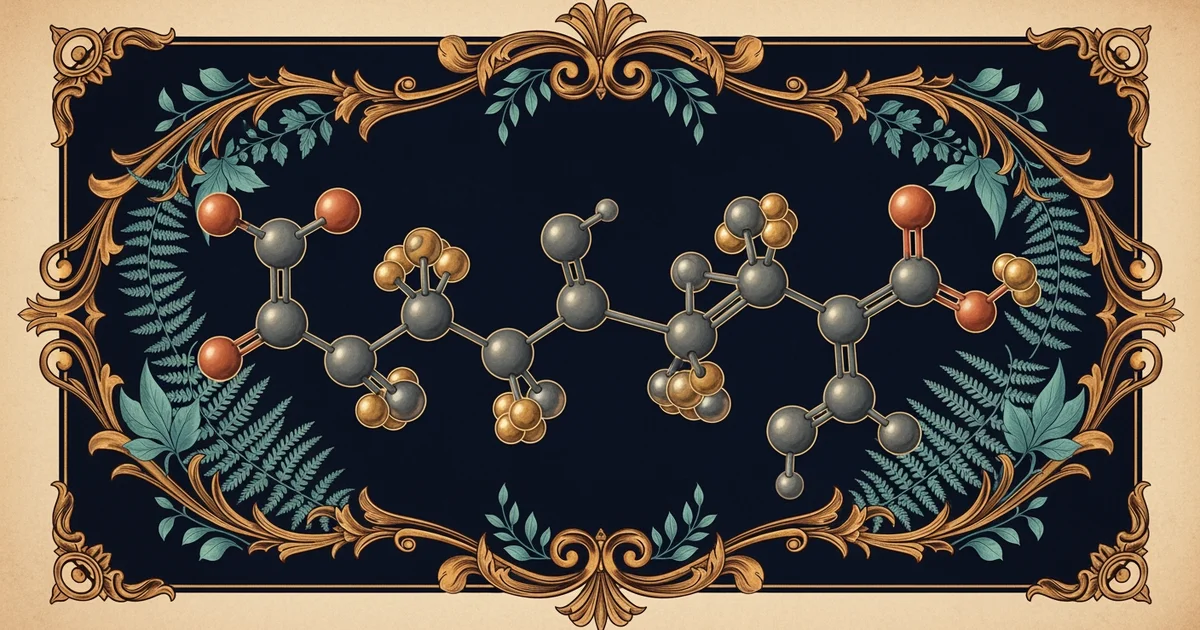
The Role of Amines in Molecular Architecture
When you examine the structure of organic compounds, you often find nitrogen atoms tucked into the carbon backbone. These nitrogen-containing groups are known as amines, which serve as fundamental building blocks for many complex biological substances. An amine consists of a nitrogen atom bonded to one or more carbon groups, often replacing a hydrogen atom in a basic hydrocarbon chain. Because nitrogen possesses a lone pair of electrons, it behaves like a magnetic hook that attracts other particles to the molecule. This unique electronic configuration makes amines highly reactive and essential for creating the diverse structures found in living organisms. Think of the nitrogen atom as a specialized junction box in an electrical circuit, allowing signals to flow in specific directions based on the surrounding molecular layout. Without these nitrogen junctions, the intricate machinery of life would lack the necessary control points to function reliably during complex chemical processes.
Key term: Amine — an organic compound derived from ammonia where one or more hydrogen atoms are replaced by carbon-based groups.
Nitrogen Bonding and Chemical Behavior
The way nitrogen connects to carbon atoms determines the specific properties of the resulting substance. Chemists classify these connections based on how many carbon groups attach directly to the central nitrogen atom.
- Primary amines feature a nitrogen atom bonded to a single carbon chain, acting as the simplest entry point for nitrogen into a molecular structure.
- Secondary amines connect the nitrogen atom to two separate carbon chains, which increases the complexity and alters the physical shape of the molecule significantly.
- Tertiary amines involve the nitrogen atom bonded to three distinct carbon groups, creating a bulky structure that changes how the molecule interacts with its environment.
These variations in structure influence how molecules dissolve in water or react with acids in the human body. Just as a heavy backpack changes how you move through a crowded hallway, the number of carbon groups attached to the nitrogen atom changes the molecule's ability to navigate through cellular membranes. When you add more carbon groups to the nitrogen center, the molecule often becomes less soluble in water and more attracted to fatty substances. This shift in behavior is critical for designers of modern medicine, as they must ensure that a drug can travel through the bloodstream before entering a target cell to perform its intended function.
Structural Diversity of Nitrogen Compounds
Understanding the shape of these nitrogen compounds allows scientists to predict how they will behave in different environments. Molecules containing nitrogen often adopt a pyramidal shape because the lone pair of electrons pushes the other bonds away. This geometry is similar to a tripod holding a camera, where the three legs provide stability while the top remains open for interaction.
SMILES notation · Educational reference only
By manipulating these structures, researchers can create substances that range from simple cleaning agents to complex life-saving medications. The table below illustrates how the number of carbon attachments influences the classification and general reactivity of these common nitrogen-based functional groups.
| Amine Type | Carbon Groups | Reactivity Level | Primary Use Case |
|---|---|---|---|
| Primary | One | High | Chemical Synthesis |
| Secondary | Two | Moderate | Pharmaceutical Base |
| Tertiary | Three | Low | Solvent Applications |
This structural variety ensures that nitrogen can participate in a wide array of chemical reactions, from building proteins to stabilizing industrial polymers. By studying these patterns, you gain insight into why nitrogen is so prevalent in the molecules that sustain our world.
Nitrogen atoms serve as essential electronic junctions that define the reactivity and physical properties of organic molecules through their specific bonding patterns.
The next Station introduces halogenated compounds, which determine how electronegative atoms influence the stability and reactivity of organic frameworks.