
Oxygen-Containing Groups
Imagine you are trying to customize a basic wooden chair to serve different purposes in your home. You might add soft cushions for comfort, or perhaps you attach sturdy metal hooks to hang your heavy winter coats. In the world of chemistry, carbon chains act like that wooden chair, providing a stable skeleton for everything else. By attaching specific groups of atoms to these carbon chains, scientists create molecules that behave in entirely new ways. These oxygen-containing groups are the chemical equivalent of adding those useful hooks or cushions to our basic structure.
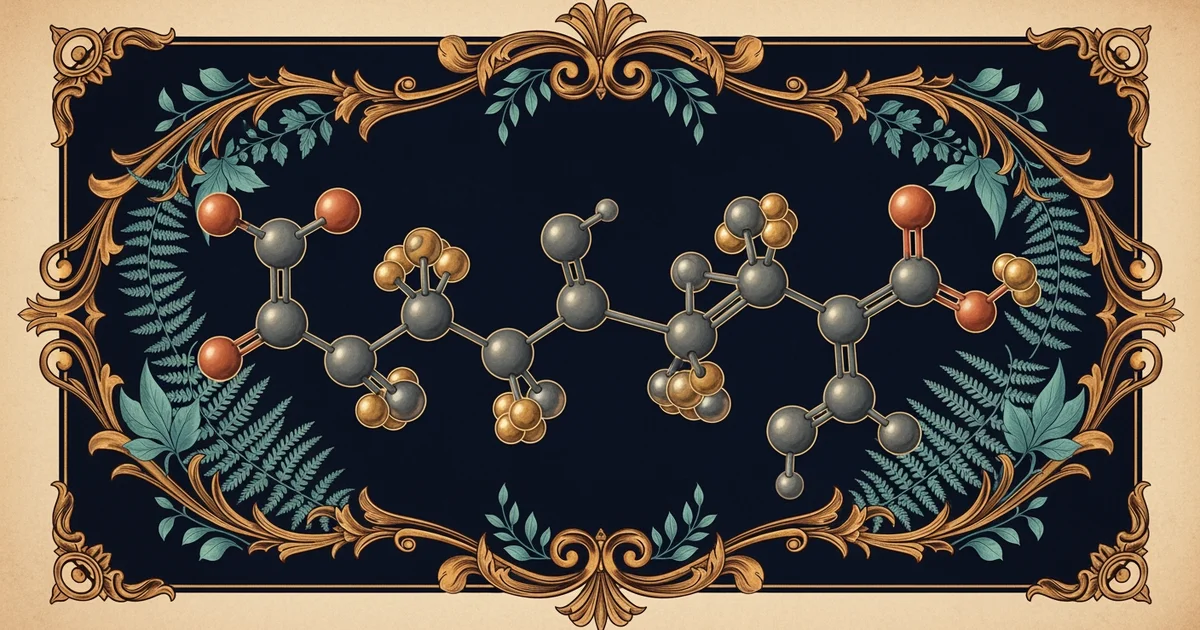
The Role of Oxygen in Molecular Behavior
When oxygen atoms bond with carbon, they pull electrons toward themselves because they are highly electronegative. This simple shift creates a permanent imbalance in the electrical charge across the molecule. Because one side of the molecule becomes slightly more negative while the other remains positive, these substances often interact strongly with water. Think of this like adding a magnet to a piece of metal, which changes how that metal interacts with its surroundings. Oxygen-containing groups fundamentally rewrite the rules of how a molecule sticks to others, how it dissolves, and how it reacts during chemical changes.
Key term: Functional group — a specific cluster of atoms within a molecule that determines its unique chemical reactivity and physical properties.
We categorize these oxygen-based groups based on how the oxygen atom is connected to the carbon skeleton. The most common types include alcohols, ethers, and carbonyl compounds. Each type carries a different signature, much like how different tools in a toolbox serve unique functions for a carpenter. An alcohol group consists of an oxygen atom bonded to a hydrogen atom, which is then attached to the carbon chain. This specific arrangement allows the molecule to form hydrogen bonds, which explains why simple alcohols like ethanol mix so well with water.
Distinguishing Between Oxygen-Based Families
To identify these groups, we look at where the oxygen sits and what other atoms are nearby. The following list explains the primary differences between these oxygen-containing structures:
- Alcohols feature a single oxygen atom bonded to a hydrogen atom, which makes the molecule polar and capable of forming strong attractions with other water molecules.
- Ethers consist of an oxygen atom acting as a bridge between two separate carbon chains, a structure that makes them less reactive than alcohols because they lack the hydrogen atom.
- Carbonyls contain a carbon atom double-bonded to an oxygen atom, creating a highly reactive center that serves as a focal point for many essential biological chemical reactions.
SMILES notation · Educational reference only
The chemical behavior of these groups is predictable once you understand their internal geometry. Ethers, for instance, are like a bridge connecting two islands, providing stability but lacking the reactive "hook" that an alcohol's hydrogen atom provides. Carbonyl groups are even more distinct, as the double bond creates a rigid, reactive site that can easily be targeted by other molecules. By comparing these structures, chemists can predict whether a substance will be a volatile solvent, a fuel, or a building block for complex life.
| Group | Structure Type | Key Feature | Common Use |
|---|---|---|---|
| Alcohol | R-OH | Hydrogen bond | Solvent |
| Ether | R-O-R | Oxygen bridge | Anesthetic |
| Carbonyl | R-C=O | Double bond | Flavoring |
This table highlights why these differences matter for real-world applications. While all three groups contain oxygen, the way that oxygen is arranged changes everything from boiling points to how the substance tastes or smells. Chemists use these distinct properties to design new materials or medicines that target specific biological receptors. Understanding these groups allows us to see the hidden logic behind the molecular architecture of the world around us.
The specific arrangement of oxygen atoms within a molecule dictates how that substance interacts with water and other chemicals.
The next Station introduces nitrogen and amines, which determine how complex biological signals regulate our body functions.