
The Architecture of Carbon Chains
Imagine a child building a complex castle using only a single type of plastic brick. Every grand structure you see in the world relies on this same simple, repetitive assembly logic. Carbon acts as the ultimate construction worker of the natural world because of its unique ability to bond with itself. This flexibility allows atoms to form long, stable chains that serve as the backbone for every living organism. Without this specific structural talent, the chemistry of life as we know it would simply collapse into chaos.
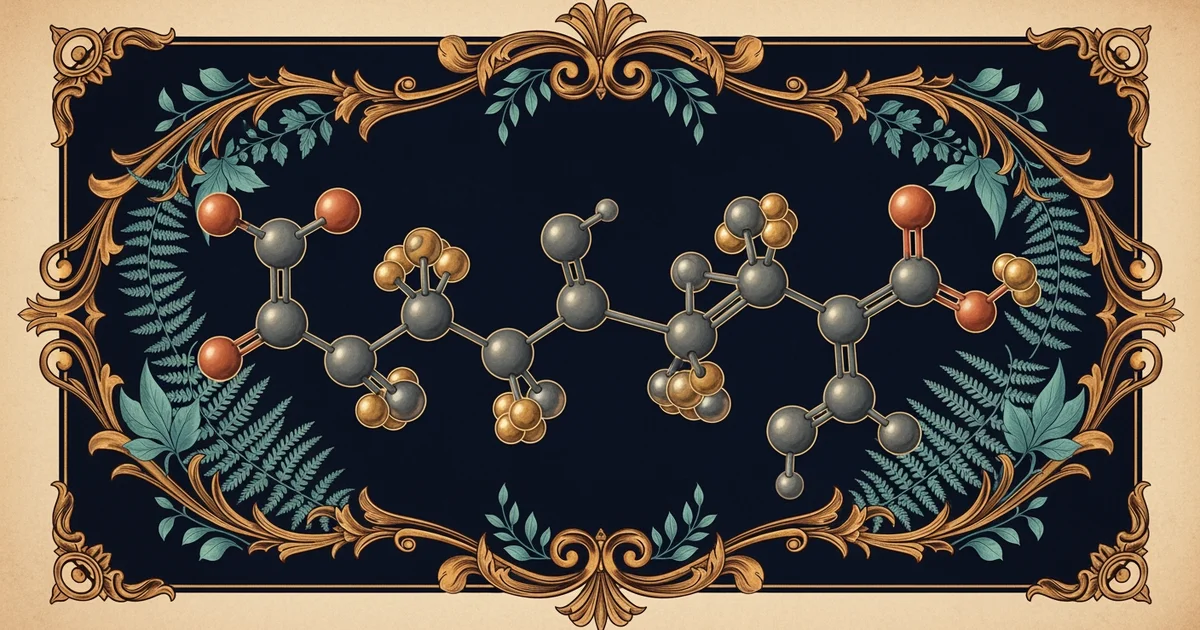
The Versatile Nature of Carbon
Carbon atoms possess four available connection points, which act like hands reaching out to grab other atoms. This tetravalent nature means that each carbon atom can form four distinct chemical bonds at the same time. Because carbon can link to other carbon atoms, it creates an endless variety of shapes, ranging from simple straight lines to complex, branching networks. Think of carbon atoms like interlocking plastic bricks that allow you to build anything from a small shed to a massive, sprawling skyscraper. This structural potential is exactly why carbon is the fundamental element required for the existence of complex life forms.
Key term: Tetravalent — the ability of an atom to form exactly four chemical bonds with other atoms.
When we look at the way carbon atoms connect, we see that they form the skeleton of organic molecules. These backbones provide the necessary stability to keep a molecule intact while other chemical groups perform specific tasks. If you compare this to an architectural project, the carbon chain is the steel frame of a building that supports the weight and shape of the entire structure. Without a sturdy frame, the decorative elements of the building would have no place to attach or function correctly. Carbon chains provide the essential framework that allows for the incredible diversity of substances found in our biological world.
Patterns of Molecular Architecture
Carbon chains can arrange themselves in three main patterns, each resulting in different physical properties for the final molecule. These patterns dictate how a substance interacts with its environment and how it behaves during chemical reactions. Understanding these arrangements helps us predict the stability and reactivity of various organic compounds in our daily lives.
The three primary ways that carbon atoms organize their connections are listed below:
- Linear chains occur when carbon atoms link together in a single, continuous row, forming a simple backbone that resembles a straight string of beads.
- Branched chains develop when extra carbon atoms attach to the sides of a main chain, creating a structure that looks like a tree with small limbs.
- Cyclic rings form when the ends of a carbon chain loop back to connect with each other, creating a stable, closed circular shape.
These structural differences mean that a linear molecule might have a very different boiling point than a branched molecule with the exact same number of atoms. For example, straight chains often pack together more tightly, which increases the forces between molecules and raises their melting points. Branched molecules, however, cannot pack as closely, which usually results in lower melting points and different physical characteristics. By studying these shapes, scientists can determine how a specific molecule will function in the body or in a laboratory setting.
SMILES notation · Educational reference only
These structural variations explain why carbon chemistry is so incredibly vast and diverse compared to other elements. A simple change in how the carbon atoms are connected can completely alter the identity and function of a substance. By mastering these basic architectural rules, you gain the ability to visualize how the microscopic world builds the complex materials that surround us every single day. This path will guide you through the rules of organic chemistry to show you how these small building blocks create the entire world.
Carbon atoms act as the essential structural foundation for life by forming diverse, stable chains that dictate the unique physical properties of every organic substance.
This foundational knowledge of carbon chains prepares you to explore how specific functional groups attach to these frameworks to create reactive, life-sustaining molecules.