
Hydrocarbon Families
Imagine you are building a complex structure using only identical plastic blocks that snap together tightly. If you connect these blocks in a straight line, you create a simple, sturdy foundation that remains stable under pressure. Organic chemistry follows this same logic when molecules form chains of carbon atoms that define how substances behave. Understanding these hydrocarbon chains allows us to predict how fuels burn or how plastics take their final shape. By looking at the bonds between these carbon atoms, we can classify every hydrocarbon into specific families based on their internal structure.
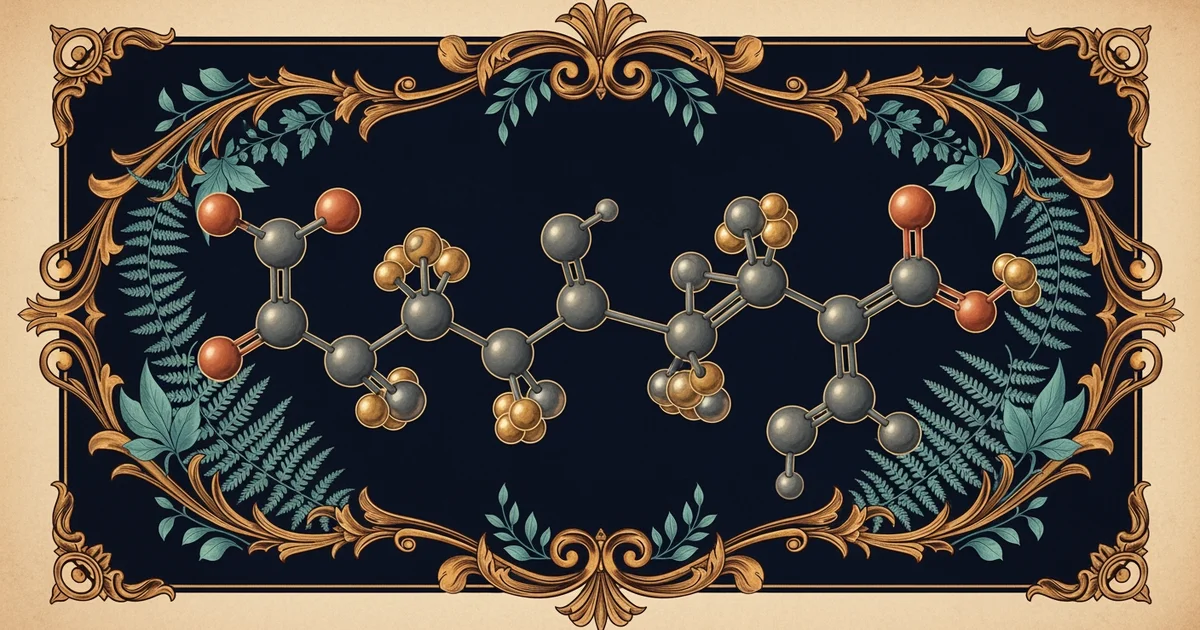
The Architecture of Carbon Bonds
Carbon atoms possess a unique ability to bond with other carbon atoms to form long, stable chains. These chains serve as the backbone for almost every molecule found in living things and synthetic materials. When we discuss hydrocarbons, we refer to molecules consisting entirely of hydrogen and carbon atoms. The way these atoms connect determines if a molecule is flexible, reactive, or highly stable. Think of carbon bonds like a series of roads connecting different cities across a vast, empty landscape. Single bonds act like standard two-lane highways that provide steady, reliable travel between locations. Double or triple bonds act like high-speed express lanes that change how traffic flows through the entire network. These bond types dictate the physical properties of the substance.
Key term: Hydrocarbon — a chemical compound composed exclusively of hydrogen and carbon atoms that forms the basis for most organic chemistry.
We categorize these hydrocarbons based on the types of bonds present within their carbon backbone structure. This classification helps chemists predict how a substance will react when it encounters other chemicals. The following table highlights the primary differences between these fundamental hydrocarbon families:
| Family | Bond Type | Saturation Level | General Reactivity |
|---|---|---|---|
| Alkanes | Single | Saturated | Low reactivity |
| Alkenes | Double | Unsaturated | High reactivity |
| Alkynes | Triple | Unsaturated | Very high reactivity |
Saturation and Chemical Behavior
Saturation describes the maximum number of hydrogen atoms that a carbon chain can possibly hold. An alkane contains only single bonds, meaning every available spot for a hydrogen atom is filled. Because these molecules are fully saturated, they remain chemically stable and do not easily break apart to form new bonds. In contrast, an alkene contains at least one double bond between carbon atoms within the chain. This double bond forces the molecule to hold fewer hydrogen atoms than an alkane of similar length. This lack of hydrogen makes the molecule unsaturated and much more prone to reacting with other nearby substances. An alkyne contains at least one triple bond, which creates even more space for potential chemical reactions. The triple bond pulls the carbon atoms closer together, creating a high-energy environment that unstable molecules often seek to resolve. Just as a crowded storage room has no space for new boxes, a saturated alkane cannot accept new atoms easily. An unsaturated alkene or alkyne acts like an empty room, eagerly waiting for new items to fill the available space. This fundamental difference in capacity drives the diverse chemical reactions we observe in laboratory settings. By identifying these bonds, we gain insight into the energy stored within the molecular architecture of our world.
Hydrocarbon families are defined by the number of bonds between carbon atoms, which determines how much hydrogen they hold and how actively they react with other substances.
The next Station introduces oxygen-containing groups, which determine how these hydrocarbon chains gain new chemical functions.